
Two Tiger Cubs Die, Bandung City Government to Evaluate Zoo Management
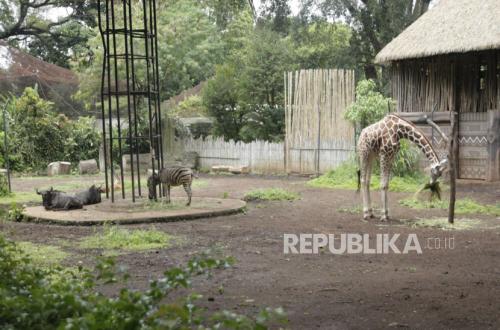
REPUBLIKA.CO.ID, BANDUNG – Two 8-month-old tiger cubs were reported to have died suddenly after being infected with the deadly Panleukopenia virus. This incident has triggered serious attention from the Bandung City Government (Pemkot Bandung). Bandung Mayor Muhammad Farhan admitted to being deeply saddened by the event. He stated that examinations by experts showed that both tiger cubs were infected with a virus that had developed very aggressively and acutely over the past week. “This is very concerning and serves as an important lesson for us all. Although Panleukopenia is considered a common virus, when it attacks young big cats, the fatality rate is very high,” said Farhan at Bandung Zoo on Thursday (26/3/2026). Farhan emphasised that immediate steps are now focused on strengthening the biosecurity system in the zoo area, as animal security and health are the top priority. In addition, Pemkot Bandung will collaborate with the West Java Provincial Government and the central government, including the Forestry Ministry, to conduct a thorough evaluation of the zoo’s management. “This case must become a turning point to completely improve the management system,” he asserted. As a conservation institution, the zoo is also required to continue carrying out its primary function, namely maintaining the sustainability of breeding rare animals. Farhan stated that the breeding programme must not stop and should even be developed further to the stage of animal release into the wild in the future. He also highlighted the importance of breeding endemic animals of West Java as part of efforts to preserve regional biodiversity. Within the next month, Pemkot Bandung targets the completion of management improvements. The government will also appoint a legal entity conservation institution as an official partner in zoo management. Amid this sorrowful news, Farhan reminded that Bandung Zoo actually has a good track record in breeding. One example is the birth of a female tiger named Donggala in 2019, from breeding by the same parent pair, Sahrulkan. “This proves that we have the capability in breeding. The loss of these two tiger cubs is a heavy blow, but also a momentum for improvement,” he said. He also assured that vaccination procedures and animal care standards have been carried out in accordance with regulations, both before and after the management was taken over by the government. The transition process was also carried out with complete information transfer. “We remain committed to maintaining animal welfare. However, this incident shows that biosecurity, especially at the zoo’s perimeter, must be significantly enhanced,” he concluded.