
Two Ships Begin Crossing the Strait of Hormuz After Iran-US Ceasefire Agreement
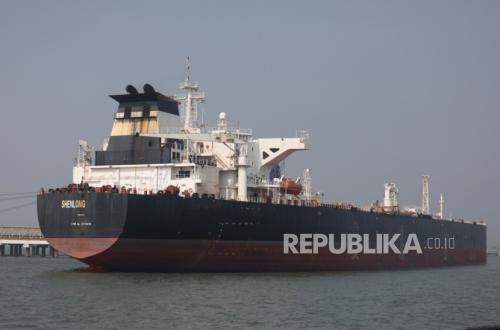
Two ships have been recorded crossing the Strait of Hormuz since Iran agreed to reopen the shipping route as part of the ceasefire agreement. This was revealed by maritime monitor MarineTraffic on Wednesday (8 April 2026). “The Greek-owned bulk carrier NJ Earth crossed the strait at 08:44 UTC, while the Liberian-flagged Daytona Beach passed earlier at 06:59 UTC, shortly after departing from Bandar Abbas at 05:28 UTC,” MarineTraffic wrote on the X platform. The United States and Iran agreed to a two-week ceasefire on 7–8 April. During this period, shipping through the Strait of Hormuz is permitted with coordination from Iran’s armed forces, as stated by Iranian Foreign Minister Abbas Araghchi. Kpler analyst Ana Subasic stated that the NJ Earth transit could be an early sign of activity on the route. However, it is still too early to confirm whether this reflects a broader reopening due to the ceasefire or merely a pre-approved exception. The Greek-owned vessel kept its transponder signal active while crossing the strait via the route approved by Iran near Larak Island. This route has been used by most ships over the past three weeks. The final destinations of the ships have not yet been confirmed. Several shipowners and charterers are beginning to prepare to relocate their vessels detained in the Gulf region, as reported by shipping journal Lloyd’s List on 8 April. It is estimated that around 800 ships remain detained in the area. Access to the Strait of Hormuz was previously tightly restricted by Iran in response to attacks by the United States and Israel since 28 February. Kpler data records that from 1 March to 7 April, commodity carrier ships made only 307 transits, a 95% drop compared to normal conditions. Approximately one-fifth of the world’s crude oil and liquefied natural gas (LNG) supplies usually pass through the route under normal conditions.