
Two Pertamina Vessels Exit Middle East Conflict Zone, Indonesia's Energy Supply Secured
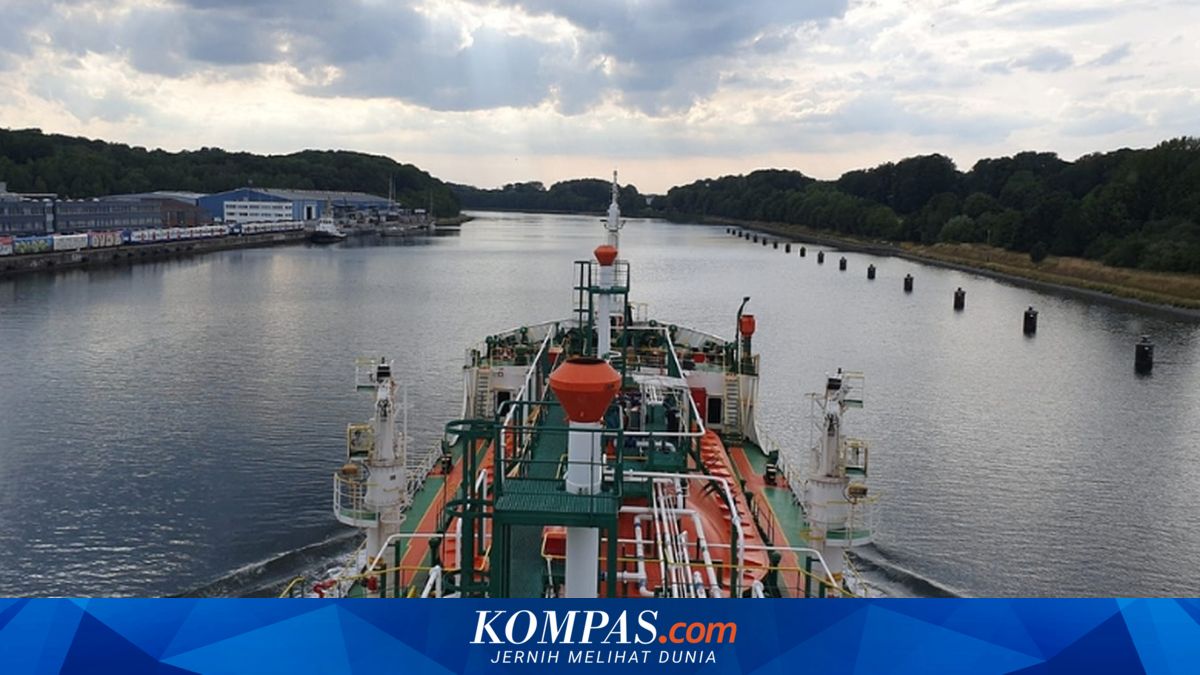
JAKARTA — PT Pertamina International Shipping (PIS) has announced that two company vessels have successfully exited conflict-affected areas in the Middle East.
The two vessels are PIS Rinjani and PIS Paragon.
According to Vega Pita, Acting Corporate Secretary of PIS, the company operates four vessels in the Middle East region. PIS Rinjani and PIS Paragon have now departed the conflict zone.
“Of the four vessels operated by PIS, two have been recorded as having moved away from the conflict area: PIS Rinjani and PIS Paragon,” she stated in a written statement on Tuesday (10 March 2026).
Two other vessels remain operating in the Middle East region, specifically the VLCC Pertamina Pride and Gamsunoro, both currently in the Arabian Gulf.
“These vessels are awaiting a safe situation to exit through the Strait of Hormuz. Both vessels are in good condition,” she added.
The Gamsunoro vessel carries cargo belonging to third-party customers, whilst the VLCC Pertamina Pride is on a mission to transport crude oil supplies (light crude oil) to meet domestic energy requirements.
Although two vessels remain temporarily held up, with two others having exited the conflict area, Vega assured that the energy supply and distribution chain remains solid, both in international and Indonesian waters.
“The energy supply and distribution chain remains solid, supported by at least 345 vessels managed by other Pertamina Group entities,” she said.
She added that the Pertamina Group has coordinated with the government to implement regular, alternative, and emergency methods to determine the most effective and safe supply chain to meet public energy needs and ensure smooth distribution.
Additionally, PIS continues to conduct intensive round-the-clock real-time monitoring of all vessel positions, crew, and personnel.
“We are also maintaining close coordination with maritime authorities and relevant local authorities to ensure the safety and security of all ship crews and cargo being transported,” she concluded.