
Two Pertamina Tankers Stranded in the Strait of Hormuz, Government Negotiating
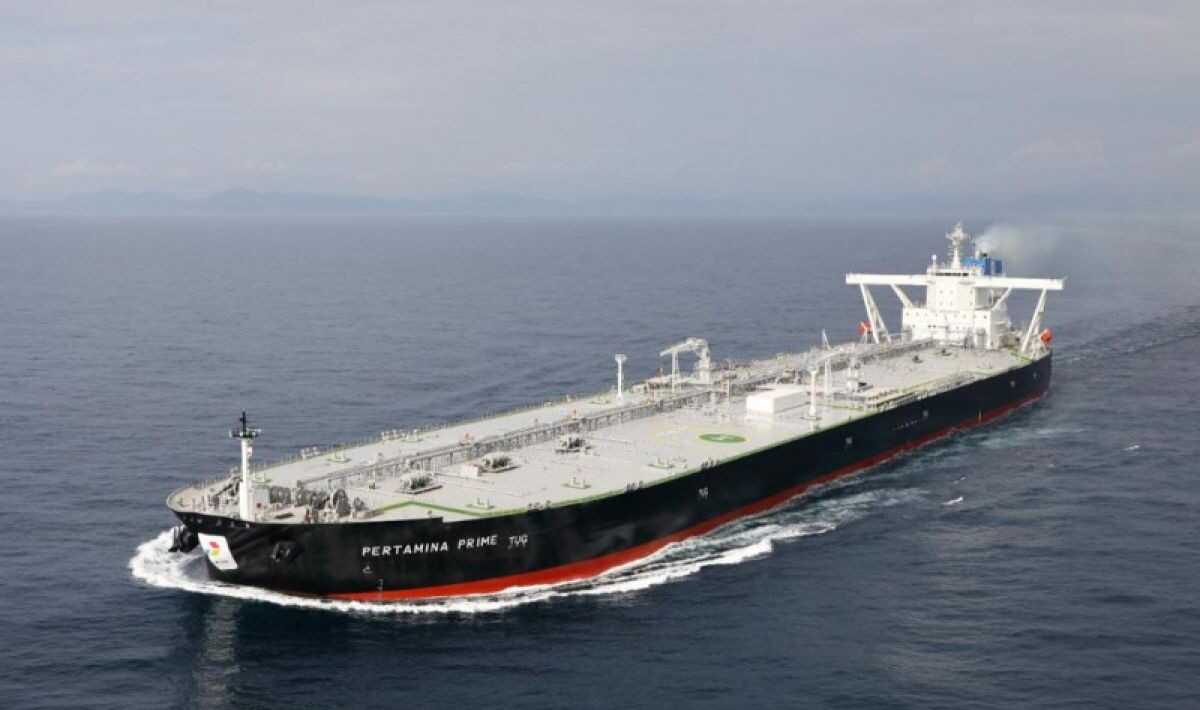
Two Pertamina International Shipping (PIS) tankers remain stranded in the Strait of Hormuz as the government engages in negotiations to secure their release. Energy and Mineral Resources Minister Bahlil Lahadalia said the government is pursuing diplomatic channels to free the two PIS vessels currently berthed in the strait, while they search for a safer location. He added that although two ships are detained, national energy resilience is not compromised because the government has prepared alternative energy supplies, including from the United States.
‘Geopolitics is not in a stable state, but the government’s readiness to design and prepare all alternatives for crude oil, refined products, and LPG, God willing, remains safe,’ Bahlil said after breaking fast at the Ministry of ESDM, Jakarta, on Wednesday night (4 March).
PT Pertamina International Shipping said four ships are in the Middle East region. The two vessels still in the Gulf are Pertamina Pride, managed by NYK Ship Management, and Gamsunoro, managed by Synergy Ship Management. PIS Corporate Secretary Vega Pita said they were monitoring the ships in real time to ensure crew and vessel safety. ‘We are making efforts for both ships to exit the Gulf area as soon as possible. Our fleet team is in close contact with managers to coordinate and ensure the safety of the crew and ships,’ he said.
Iranian state media previously reported that the Strait of Hormuz had effectively been closed after US and Israeli military strikes on Iran. The Strait is a strategic route for global energy trade with around 20% of the world’s oil supply, or about 20 million barrels per day, passing through the region. It is also a crucial route for LNG exports from Gulf countries such as Qatar and the United Arab Emirates. Iranian military officials say they have fully cut traffic on this important waterway, which carries a fifth of the world’s crude oil.
Geopolitical tensions in the Middle East are starting to impact global energy supply chains. Bahlil says diplomacy is underway to remove the two PIS tankers from the Strait of Hormuz. The European Union has proposed bans on transport and services for Russian oil, but the United States opposes the move, while other G7 members have yet to give clear commitments. The US seized two tankers on Wednesday (7 January), including one that had fled a US blockade near Venezuela and was being escorted by a Russian submarine and the Russian Navy in the Atlantic. Iranian military officials say they have fully cut traffic in this important waterway, which handles about a fifth of the world’s crude oil. Kpler data indicated 90% of Hormuz traffic had halted in the wake of the attack on Iran.