
Two Pertamina Tankers Detained in Middle East, Bahlil: Still Negotiating, Long Queue
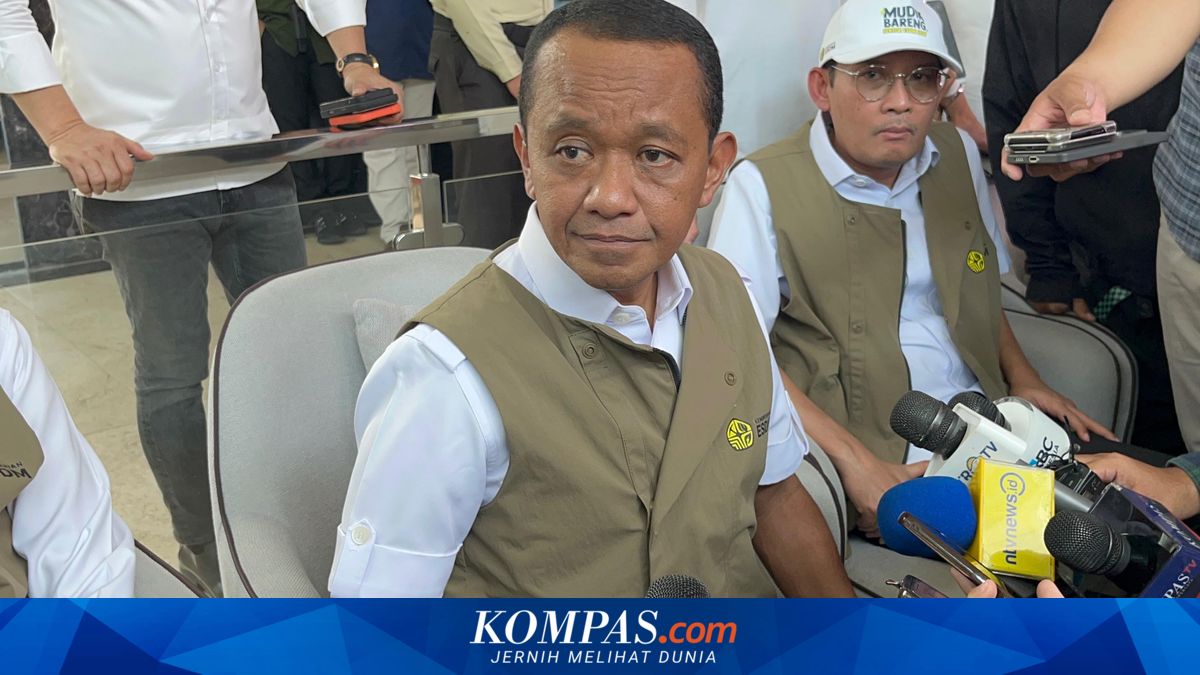
JAKARTA — The Minister of Energy and Mineral Resources, Bahlil Lahadalia, disclosed that the government is continuing efforts to release two Indonesian tanker ships from the conflict zone in the Middle East.
The two vessels, the VLCC Pertamina Pride and Gamsunoro, belonging to PT Pertamina International Shipping (PIS), are currently detained in the Arabian Gulf.
Bahlil stated that the government, together with Pertamina, is continuing negotiations with the Iranian government to allow both ships to transit through the Strait of Hormuz.
“We are still in negotiations. There is a long queue. We are in negotiations now, yes. Give us time, we are still negotiating,” he said at the Ministry of Energy and Mineral Resources in Jakarta on Tuesday (17 March 2026).
Iran is known to have blockaded the Strait of Hormuz due to escalation of the conflict with the United States and Israel, which has made the shipping lane unsafe for commercial vessels to pass through the area.
As a result, tanker ships carrying oil and gas belonging to various countries have been detained.
This situation has disrupted global energy supply and caused oil prices to surge.
Bahlil also mentioned that there are currently positive developments at the Strait of Hormuz.
Iran has begun allowing tanker ships to transit through the area.
“Alhamdulillah, even though we are in geopolitical conditions where there are currently no signs the Middle Eastern conflict will end, we have received some fresh air regarding the Strait of Hormuz, with policies beginning to open and close,” he said.
However, he noted that ships flying Israeli and American flags are excluded by Iran.
“This means that for ships, for countries that are not Israel and America, communication can now take place. And this is actually a positive development,” said Bahlil.
He stated that national fuel prices consist of two schemes: subsidised and non-subsidised.