
Two Pertamina ships stranded in the Strait of Hormuz, Bahlil says diplomatic efforts underway
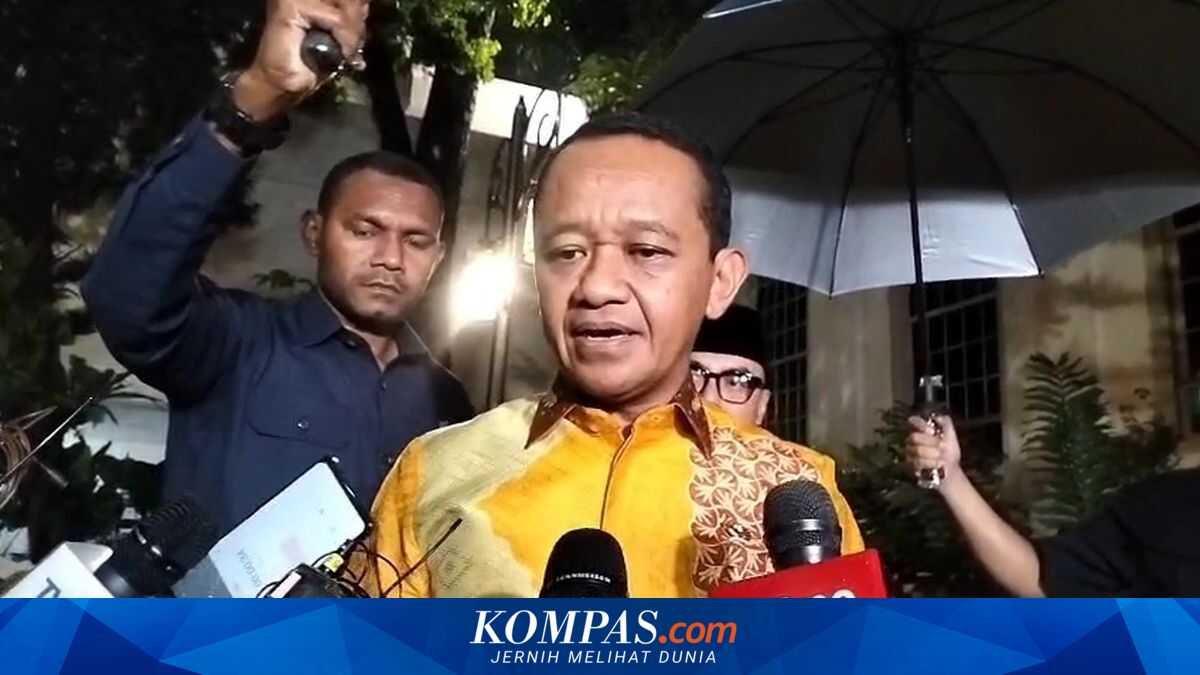
Jakarta — Energy and Mineral Resources Minister Bahlil Lahadalia said that two Pertamina International Shipping (PIS) vessels stranded in the Strait of Hormuz are still being pursued for release from the conflict zone. According to him, the government together with Pertamina (Persero) are pursuing diplomatic channels to evacuate the crude-carrying ships. ‘We are currently pursuing diplomatic avenues to find a better way for them to be released,’ he said at a press conference at his office in Jakarta on Tuesday, 3 March 2026. This step is intended to ensure national energy supply remains secure amid global tensions.
He added that even if they are not released, Indonesia has found alternative crude sources. ‘Even if they are not released, we have already found alternatives to source crude from other places,’ he said. The government plans to redirect all imports of crude oil from the Middle East to the United States as a mitigation measure against the escalation of the conflict between Israel, the United States, and Iran in the region. He noted that around 25 percent of Indonesia’s total crude imports have traditionally come from the Middle East. The remainder is supplied from other countries such as Angola in Africa, the United States, and Brazil. ‘25 percent of the total crude we order from the Middle East will be redirected (to the US),’ he said.
This import redirection forms part of the Agreement on Reciprocal Trade (ART) between Indonesia and the United States, under which Indonesia commits to purchasing energy products worth USD 15 billion or around IDR 253 trillion.
During the press briefing, Bahlil stressed that the government continues to study and engage with various countries regarding the current global dynamics. He said that based on internal studies and intelligence information, the duration of the tensions in the Middle East is difficult to predict with precision. There is a possibility that the conflict could end quickly or, conversely, could take longer. ‘Even if information says that this tension will end in five days, or four weeks, our assessment after studies is that we cannot forecast when it will end. It could be fast or slow,’ he explained.