
Twice Named as Suspect, Attorney General's Office Candidly Reveals Key Role of Riza Chalid in Petral Corruption Case
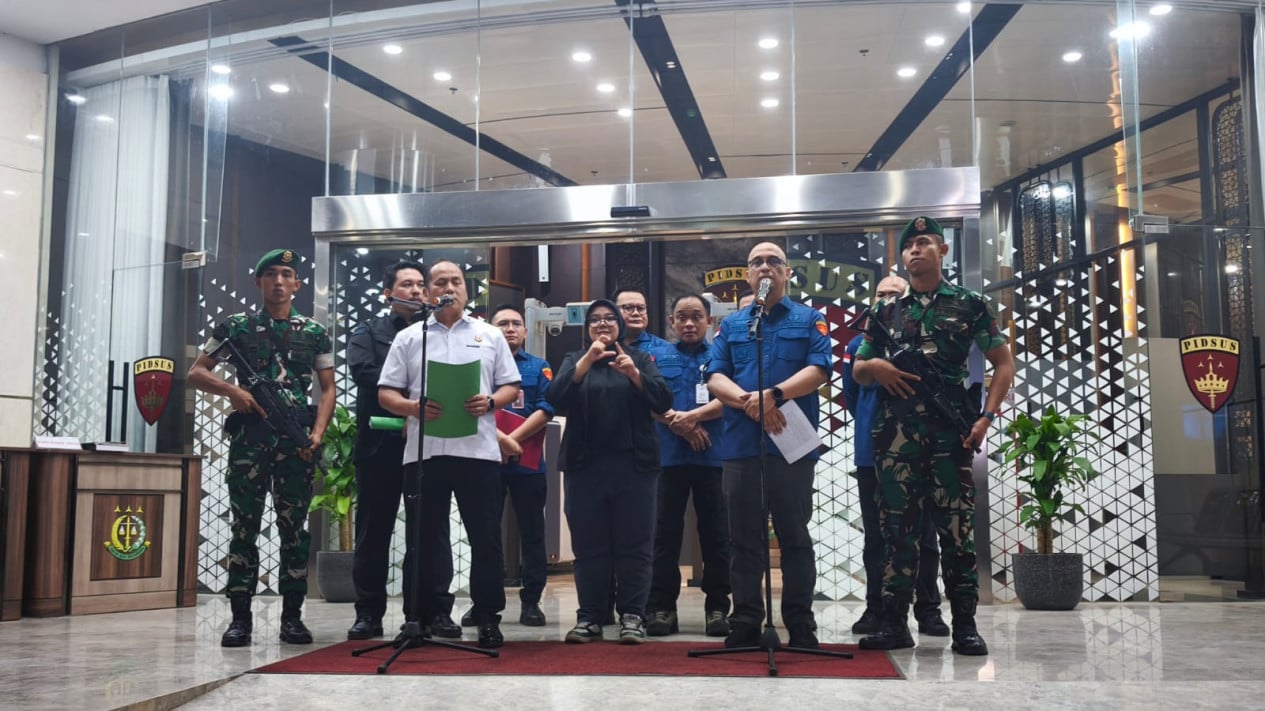
The Attorney General’s Office (AGO) has exposed the role of oil businessman Riza Chalid, who has once again been named as a suspect in an alleged corruption case concerning the procurement of crude oil at Pertamina Energy Trading Limited (Petral) during the period 2008–2015. This marks the second time Riza has been implicated in a corruption case in the energy sector. Previously, he was charged in a case involving the governance of crude oil and refinery products from 2018 to 2023. In this Petral case from 2008–2015, investigators found evidence of Riza’s active involvement in orchestrating the procurement process. “One of the other suspects is MRC as the BO (Beneficial Owner) of several companies,” stated the Director of Investigation at the Deputy Attorney General for Special Crimes (Jampidsus) of the AGO, Syarief Sulaeman Nahdi, quoted on Friday, 10 April 2026. The case originated from the leakage of internal Petral information that should have been confidential. This data was allegedly used to “lock in the game” during the tender process. Riza is said not to have acted alone. He allegedly utilised a network of affiliated companies and collaborated with IRW to influence the procurement process, from crude oil and refinery products to transportation. Intense communications were even conducted with several internal parties at Pertamina Energy Services (PES), who are now also implicated as suspects. “These communications involved conditioning the tenders and providing HPS value information, resulting in mark-ups or overpriced deals because the procurement became non-competitive,” he said. It did not stop there; investigators also uncovered allegations of “special arrangements” deliberately created to facilitate the scheme. In July 2012, several parties allegedly issued guidelines that contradicted the official decisions of Pertamina’s board of directors. After the tenders were conditioned, the business processes proceeded according to the script. PES, along with other companies, signed supply agreements for refinery products for the period 2012–2014. However, behind this, the state allegedly bore losses due to skyrocketing prices from an increasingly long and inefficient supply chain. “The tender or procurement process for crude oil and those products resulted in a longer supply chain and higher prices, particularly for gasoline 88 or what we know as premium 88 and gasoline 92, thereby causing losses to PT Pertamina,” he said.