
Turning Moon Dust into Sturdy Structures with 3D Printing
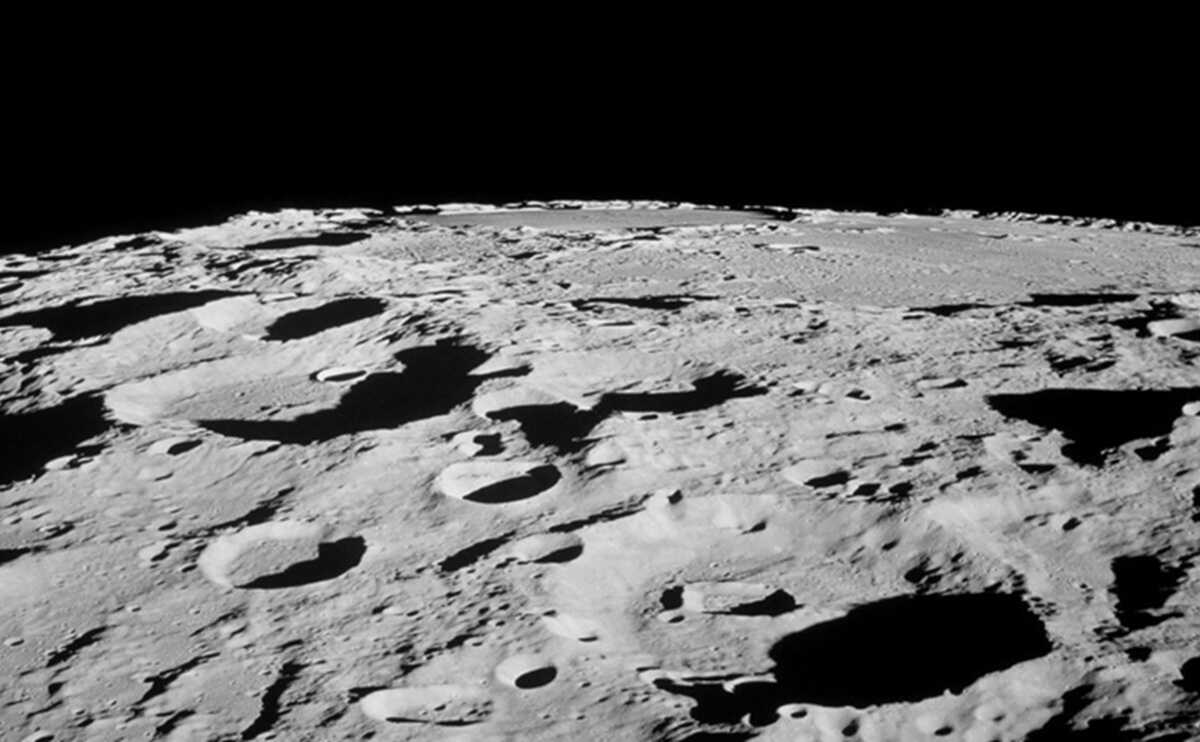
The Moon appears calm from afar, but its surface is a harsh environment. With extreme temperature fluctuations, near-vacuum, and abrasive dust clinging to every surface, constructing human shelters there is a logistics challenge nearly impossible if all materials must be shipped from Earth.
To answer this challenge, scientists are focusing on intelligent solutions: building with what is already available on site. A recent study revealed that regolith, the grey dust covering the Moon, can be melted and formed into heat-resistant, sturdy structures using laser-based 3D printing. The concept, known as in-situ resource utilization (ISRU), uses local mission resources.
In laboratory tests, researchers used a lunar dust simulant named LHS-1, simulating highland lunar soil rich in dark basal rock. Using a high-powered laser, the team melted the fine powder layer by layer until it fused into a solid object. This success is central to NASA’s Artemis program, which aims to establish a permanent human presence on the Moon by the end of the decade. By printing tools and structures on site, the risk of mission delays due to Earth-based supply limitations can be greatly reduced.
Printing with Moon dust is not as straightforward as using plastic on Earth. The team found that the underlying surface on which material is printed strongly affects the final outcome.
By combining feedstocks such as metals and ceramics in the printing process, the final material proved highly sensitive to the surrounding environment, said Sizhe Xu, the study’s lead author from Ohio State University. “Different environments yield different properties, directly affecting the mechanical strength and thermal shock resistance of components.”
Beyond the surface, factors such as oxygen content, laser power, and print speed determine the structure’s stability. Sarah Wolff, assistant professor of mechanical and aerospace engineering, emphasised the difficulty of recreating space conditions in a laboratory. “There are space conditions that are very hard to replicate. Something that might work in the lab may fail in scarce resource environments, so you must try everything to maximise the machine’s versatility across scenarios,” said Wolff.
Interestingly, the technology developed for the Moon also holds substantial potential for Earth applications. The material efficiency driven by space conditions could teach humanity to build systems that are more sustainable and waste-minimising. “If we can manufacture objects in space with very limited resources, it also means we can achieve better sustainability here on Earth,” Wolff concluded.
This experiment demonstrates that the Moon is not merely a target but a massive laboratory for creating future technologies that can operate both up there and here on our own planet.