
Turning Fallen Leaves into Compost
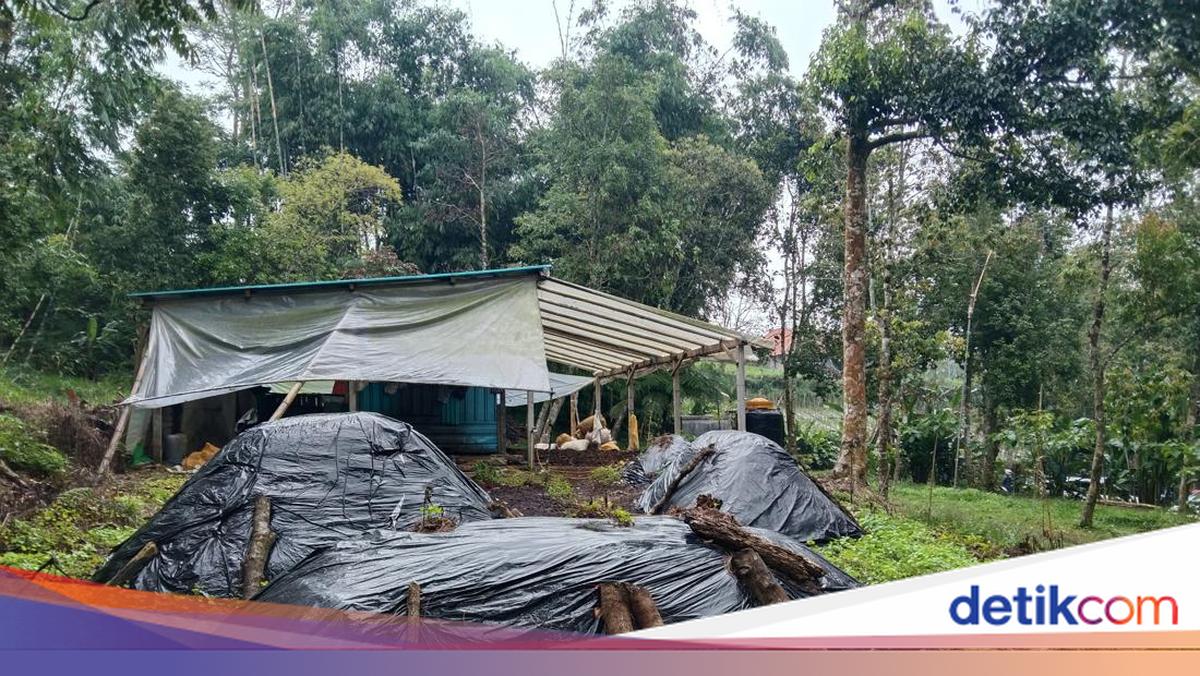
The Abang Lestari Forest Farmer Group (KTH), located in Baturiti Village, Tabanan, is developing a business programme based on social forestry. This programme serves as an effort to maintain forest sustainability while simultaneously improving community welfare.
There are two business groups operated by KTH Abang Lestari under the social forestry scheme, namely agroforestry and agrotourism. In the agroforestry sector, the group does not only plant various types of productive crops but also develops a compost processing business to support the agricultural needs of the community.
“The production of compost has only been running for one year, utilising fallen leaves within the forest area as raw material,” explained the Chairman of KTH Abang Lestari, I Wayan Sunarya.
Through an environmentally friendly processing method, organic waste that was previously unutilised is now transformed into fertiliser that holds economic value and benefits soil fertility.
Although still considered new, this compost business continues to grow alongside the increasing demand for organic fertiliser among farmers in the Baturiti area. In addition to being a solution for organic waste management, this enterprise also opens new economic opportunities for group members.
“The current compost production is mostly used for the group’s internal needs, particularly to support seedling and nursery processes,” Sunarya added.
KTH Abang Lestari is capable of producing up to 500 sacks of compost per month. This volume demonstrates the significant potential of organic fertiliser processing businesses in supporting the agricultural sector, while also strengthening the economy of the communities surrounding the forest area.
“The use is currently prioritised for the group, especially for seedling needs. However, distribution has now reached areas outside of Abang Village, such as Baturiti, Candikuning, and even Bangli,” said Sunarya.
Through the development of a compost business based on local organic materials, KTH Abang Lestari proves that social forestry focuses not only on environmental preservation but is also capable of creating sustainable economic benefits for the community.