
Turbulence in the Strait of Hormuz Could Drive Up Inflation in Indonesia
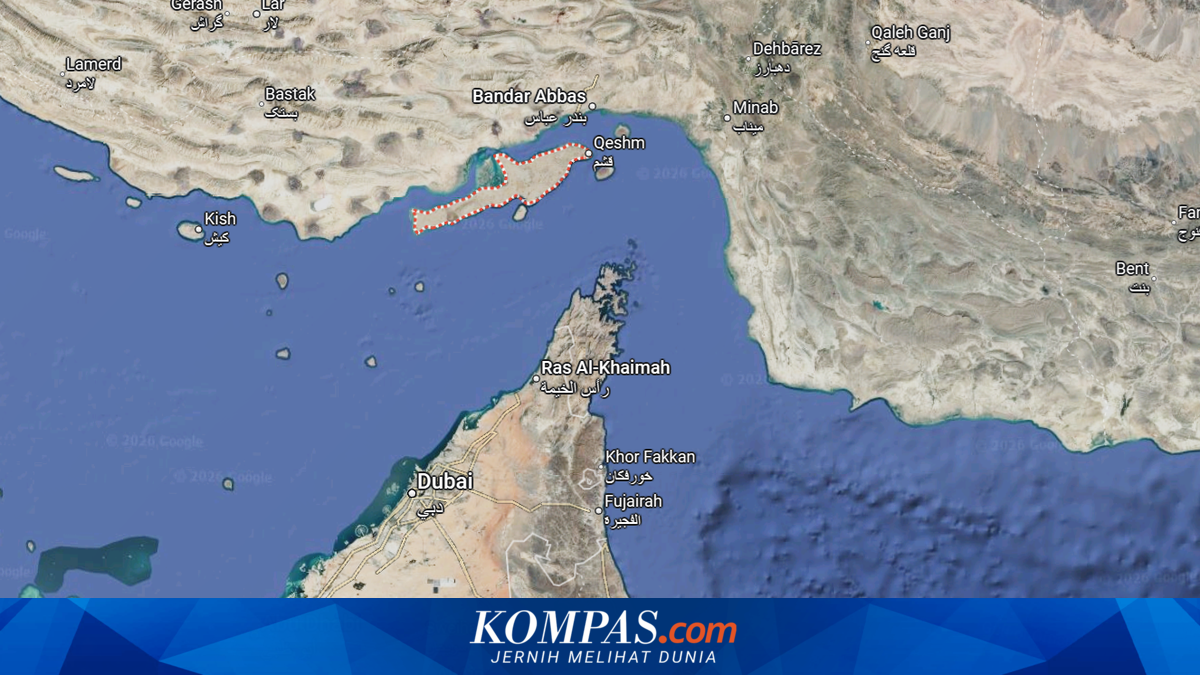
JAKARTA — Escalating geopolitical conflicts in the Middle East have once again positioned the Strait of Hormuz as a crucial point in global economic dynamics. This narrow passage connecting the Persian Gulf to the Arabian Sea serves not only as the lifeline for world energy trade but also as a channel transmitting broad inflationary pressures to various countries, including Indonesia. According to a report from the Institute for Economic and Social Research (LPEM) at the Faculty of Economics and Business, University of Indonesia (FEB UI), cited on Tuesday (14/4/2026), the conflict involving the United States (US), Israel, and Iran has intensified since the attack on 28 February 2026. This tension is a continuation of previous conflicts, including attacks on Iran’s nuclear facilities and incidents in Syria over recent years. In the latest context, the conflict risks triggering major disruptions on the global supply side. The Strait of Hormuz plays a strategic role in the global energy distribution. When Iran takes steps to restrict or potentially close this route, the risk of supply disruptions rises directly. The impact is reflected in the sharp surge in global energy prices. The price of West Texas Intermediate (WTI) crude oil spiked to $104.72 per barrel in March 2026, up around 56 percent from February 2026 and one of the highest levels since 2022. Meanwhile, global LNG prices also rose significantly from £3.47/kWh in March 2025 to £4.56/kWh in March 2026, an increase of 67 percent from the previous month. Beyond energy, the conflict is also exerting pressure on production-supporting commodities, particularly nitrogen-based fertilisers. The Middle East is one of the main exporting regions for these commodities. The price of granular urea fertiliser FOB Middle East was recorded to surge to $750 per tonne in March 2026, up 95 percent from the same period the previous year.