
TSDC Bali Elevates Natural Fibre Craft Reputation Through BRI's LinkUMKM Platform
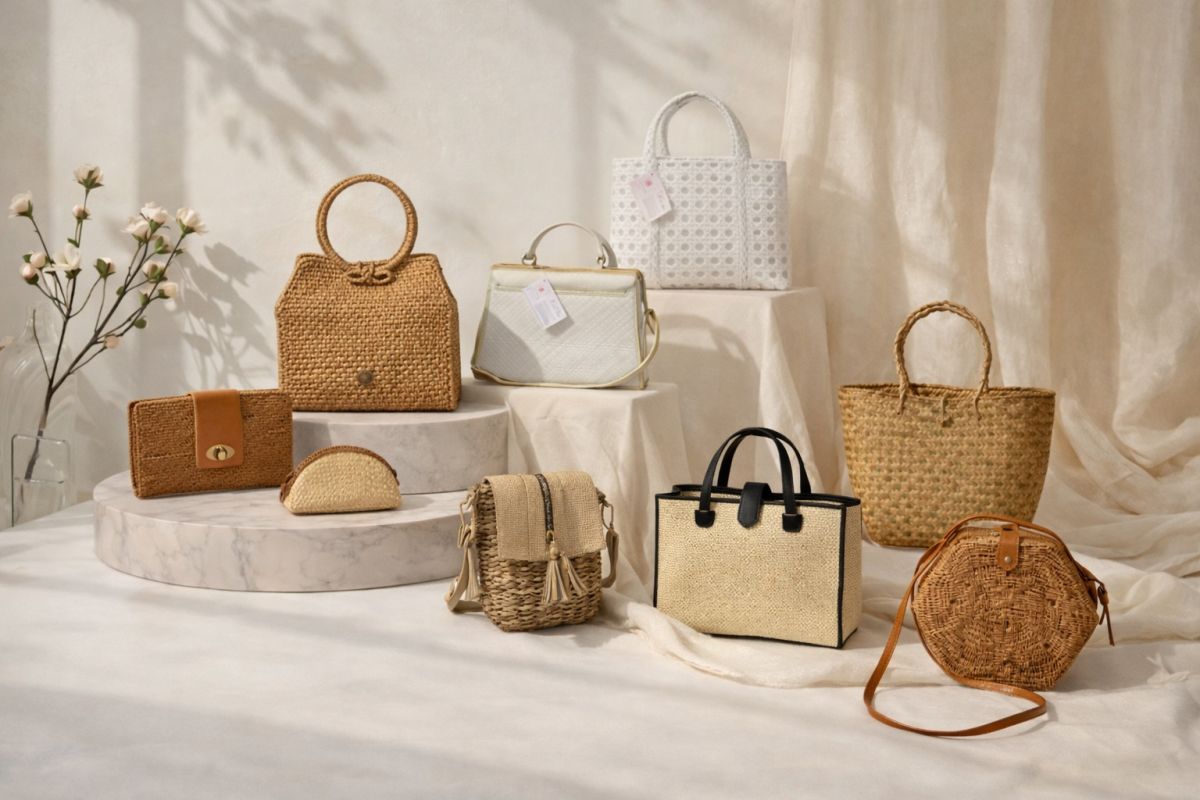
Jakarta – Natural fibre handicrafts from Bali continue to demonstrate their market appeal, with TSDC Bali (Tanda Sayang dan Cinta, meaning “Sign of Affection and Love”), a craft brand originating from Celuk Village in Sukawati, Gianyar Regency, now attracting customers in both domestic and foreign markets.
TSDC Bali produces handcrafted natural fibre products using materials such as ata, rattan, and pandan, which are processed by local artisans. By blending contemporary design with traditional weaving techniques, these natural materials are transformed into fashion accessories including bags, wallets, and other items.
Founder and owner Ni Wayan Sri Mustika Dewi explained that her enterprise began with a desire to create handicraft products that are not only visually appealing but also carry emotional significance for users.
“TSDC began in 2020 with the intention of presenting ‘signs of affection’ through personal and meaningful products. The name ‘Tanda Sayang dan Cinta’ is not merely a label, but reflects the philosophy that every handmade product carries the loving energy of its maker to its wearer. The process of building this business started with exploring Bali’s rich natural fibre resources such as ata, pandan, and rattan. From a small-scale operation, TSDC has maintained consistency in quality and design relevant to the modern market, eventually developing into a brand recognised at various exhibitions,” she explained.
In developing the business, TSDC utilised BRI’s UMKM (Micro, Small and Medium Enterprise) empowerment ecosystem through the LinkUMKM platform. As of the end of 2025, LinkUMKM has been utilised by more than 14.98 million SME actors as a digital business mentoring platform, ranging from capacity building to market access strengthening.
The platform features six main integrated functions: UMKM Smart, Rumah BUMN (State-Owned Enterprise House), UMKM Media, Community, Digital Showcase, and NIB Registration, supported by more than 750 learning modules to strengthen soft and hard skills of SME actors.
“Initially, I learned about LinkUMKM through BRI’s UMKM empowerment ecosystem, both through BRI field officers at the nearest branch and various training programmes such as Go Modern. Joining LinkUMKM helped us conduct self-assessment of our business class whilst opening access to a wider network of UMKM communities digitally,” Sri said.
Various training sessions have also boosted TSDC’s confidence to participate in different events, from UMKM exhibitions to fashion weeks in Bali. These activities have opened networking opportunities with various potential buyers, including from the hospitality sector, government institutions, and tourists visiting Bali. Currently, TSDC products are marketed through offline outlets, resellers, e-commerce platforms, social media such as Instagram and TikTok, as well as B2B partnerships and various exhibitions, enabling the brand to reach both local and export markets.
In daily operations, TSDC also utilises BRI banking services such as BRI QRIS for cashless transactions, BRImo for monitoring business cash flow and making payments to raw material suppliers, and BritAma savings accounts as the main account for managing business transactions.
Akhmad Purwakajaya, Director of BRI’s Micro Banking Division, stated that TSDC Bali exemplifies how SME actors can develop locally-rooted handicrafts to reach wider markets.
“With strengthened business capacity, design innovation, and support for broader market access, craft products developed by TSDC demonstrate that locally-rooted creative works can adapt to market trends. Appropriate mentoring also creates opportunities for SME actors to expand their marketing reach and serve a wider consumer segment. Through various empowerment programmes, BRI continues to encourage SMEs to develop sustainably,” he concluded.