
Trying Out the KaBogor Electric Bus, Passengers Suggest Priority Seats and More Decent Stops
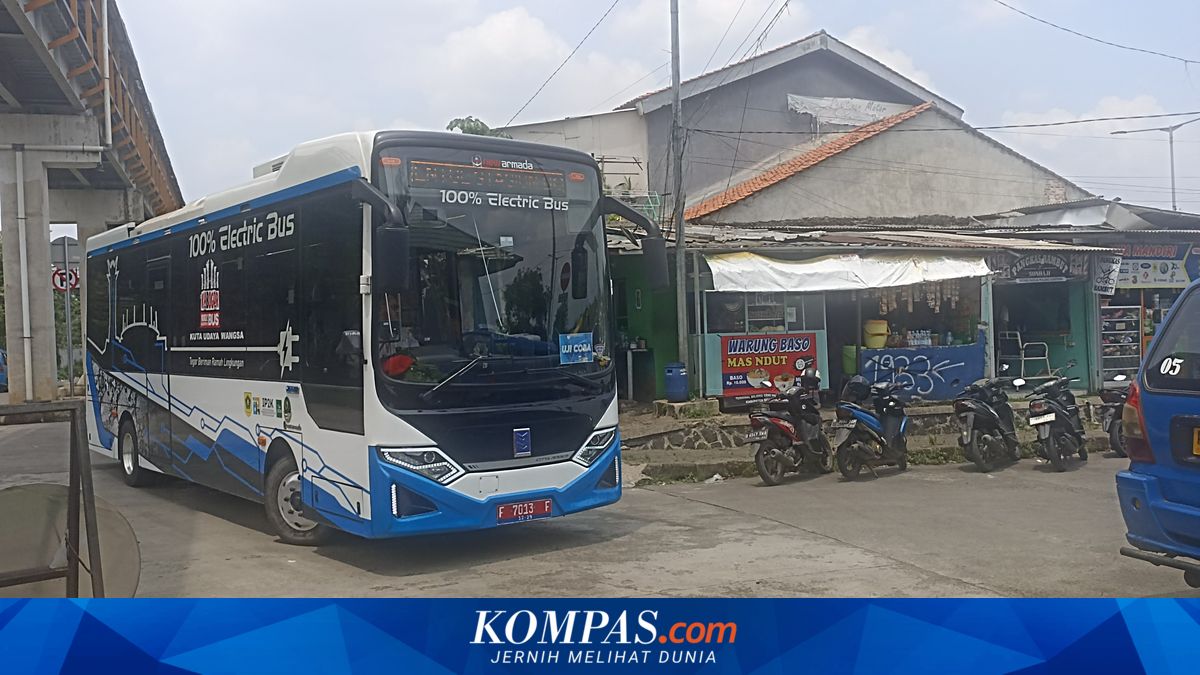
The Bogor Regency government has begun operating an electric bus service on the Bojonggede Station–Sentul City route as an effort to provide environmentally friendly transportation. The service, named Bus KaBogor, is still in a three-month free trial phase, with a travel time of around one hour and serving dozens of stops along the route. This eco-friendly transport service was launched by Bogor Regent Rudy Susmanto during the Car Free Day (CFD) event on Jalan Tegar Beriman, Cibinong, on Sunday (5/4/2026). A few days after the launch, on Wednesday (8/4/2026), Kompas.com had the opportunity to try the service directly. Departures from Bojonggede Terminal will serve around 25 stops along the route to Sentul. Some of the stops passed include the Bojonggede Subdistrict bus stop, Taman Bojong 1, Bambu Kuning 1 up to the Sentul area. Conversely, on the route from Sentul to Bojonggede, the bus will serve passengers at 22 stops, including Halte Bellanova Sentul, SICC, Babakan Madang, Pakansari up to Bojonggede Subdistrict before returning to the terminal. From the outside, the bus appears striking with a modern design in blue and white tones. The words “100% Electric Bus” are emblazoned on its body, affirming its identity as an environmentally friendly vehicle. At 09.05 WIB, the KaBogor electric bus began moving slowly away from the terminal, carrying around 22 passengers towards Sentul. Like typical electric buses, a cool atmosphere is felt upon entering. Blue-coloured seats are arranged facing forward and backward, with a total of 18 passenger seats. In addition, there are around 10 handle grips for standing passengers. Bright cabin lighting adds to the sense of comfort from the start of the journey. That morning’s trip was relatively smooth, considering Kompas.com departed outside rush hour. However, the bus’s speed slowed somewhat when passing through the Bojonggede Market area. The density of street vendors and vehicles parked on the roadside caused the journey to be delayed. Similar conditions usually occur at the Gaperi train crossing. However, this time, the bus passed without hindrance as no train was crossing. “Depending on traffic conditions, usually 10 minutes (delayed) here,” said the driver. Shortly after, an automated voice was heard from the loudspeaker, providing information to passengers. Similar announcements were heard approaching the next stop. “Next stop: bus stop Taman Bojong 1. Please prepare if you wish to alight at this stop.” Throughout the journey, the distance between stops was relatively short. The bus only took about one to three minutes to reach the next stop. At each point, an average of two to three passengers boarded. Meanwhile, conversations among passengers made the atmosphere inside the bus feel lively. At one moment, a passenger discussed with the onboard staff. “Add priority seats, sir, like in BisKita or TransJakarta,” said the passenger. The staff responded openly.