
Trump's Threat of Hormuz Strait Blockade Highly Risky, Why?
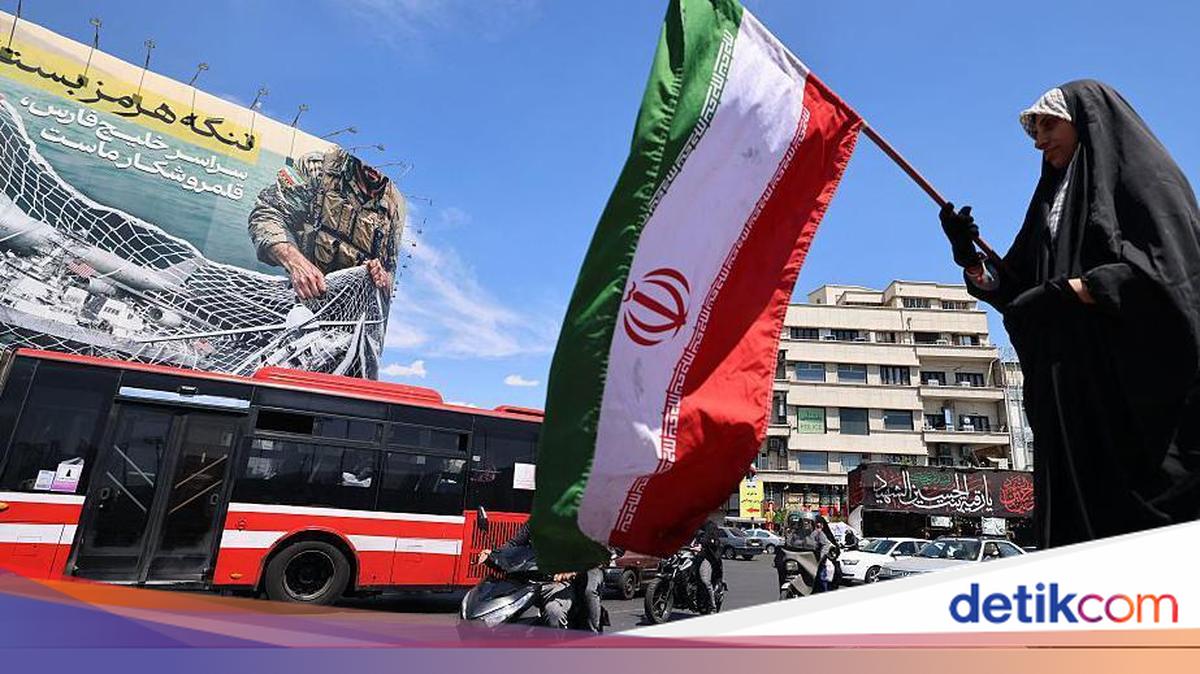
After a diplomatic team led by Vice President JD Vance failed to reach an agreement through negotiations to end the US-Iran war on Saturday (11/04), President Donald Trump must decide on the next steps.
That decision was announced on Sunday morning (12/04) through a series of posts on Truth Social.
The US will impose a naval blockade against Iran, Trump wrote.
“No one paying illegal fees will get a safe passage in international waters,” he said.
He also stated that the US will continue clearing mines in the Strait of Hormuz to ensure the safety of allied shipping.
The US military, he added, is in a “combat-ready” position and prepared to resume strikes against Iran at the “appropriate time”.
Trump added that although there was progress in the 20-hour negotiations in Islamabad, Iran was unwilling to meet US demands to halt its nuclear ambitions.
That view was somewhat contradicted by a US official familiar with the course of the Vance-led talks.
The official revealed a much longer list of differences, including Iran’s control over the Strait of Hormuz and its support for proxy groups in the region, such as the Houthi rebels in Yemen and Hezbollah in Lebanon.
Although Trump’s latest posts do not feature apocalyptic rhetoric like last week’s threat to end Iranian civilisation, those statements still present a number of new challenges and risks for the US side.
Will mine-clearing activities place US Navy ships at greater risk of Iranian attacks?
How will the US determine who is paying fees to Iran?
Will the US use force against foreign-flagged vessels ignoring the blockade?
How will oil-dependent countries like China respond?
And will this step, intended to choke Iran’s main revenue source, instead drive oil prices to higher levels?
There are no clear answers to those questions.
On Sunday afternoon, the US Central Command announced that the naval blockade will stop all ships travelling to or from Iranian ports, a set of provisions different from the action plan previously announced by Trump.
“I don’t understand how blockading the strait will encourage Iran to reopen it,” Senator Mark Warner of Virginia, a Democratic politician on the Senate Intelligence Committee, told CNN on Sunday.
On CBS’s Face the Nation programme, Republican Congressman Mike Turner from Ohio, who until last year served as chairman of the House Intelligence Committee, said the blockade was a way to force a resolution to the situation in the Strait of Hormuz.
“The President, by saying we won’t just let them decide who can pass through, is clearly calling on all allies and parties to sit at the negotiating table,” he said. “This issue needs to be addressed.”
Last week, before Iran and the US agreed to a two-week ceasefire and direct face-to-face negotiations, Donald Trump was in a difficult position.
He could continue escalating US attacks on Iran, potentially causing long-term damage to the country’s civilian infrastructure, worsening the humanitarian crisis, and further shaking global economic stability.
Or, he could withdraw from a war that has been unpopular with the US public from the start and is now beginning to cause frustration even among some of Trump’s own supporters, those who have long trusted his promise to avoid prolonged foreign conflicts and deep involvement in the Middle East.
A recent CBS poll shows that the majority of Americans (59%) rate this war as going somewhat badly or very badly for the US.
Many believe that the US’s main goals, such as keeping the Strait of Hormuz open, ensuring greater freedom for the Iranian people, and permanently ending Iran’s nuclear programme, have not yet been achieved.
The majority from both parties in the US consider achieving those goals as important.
Nearly a week has passed and, although the US claims victory, the dilemma facing the president has essentially not changed.
In an interview with Fox News on Sunday morning, Trump said Iran will ultimately give the US “everything” it wants.
He added that although oil prices may remain the same or even higher in the coming months, he believes the US economy will be able to withstand it.
That statement, at least, is a major gamble.
With midterm elections in November approaching, President Trump’s Republican Party could suffer major losses at the ballot box if his calculations are wrong.
On Saturday night, while his vice president was negotiating with Iranian officials in Pakistan, Trump instead travelled to Miami, where he watched professional fighters beat each other in a UFC (Ultimate Fighting Championship) home match.
According to members of the press pool present, the scene was somewhat strange and awkward.
The US President was seen watching a brutal physical fight in a blood-stained arena, chatting with celebrities, and occasionally engaging in intense discussions with Secretary of State Marco Rubio and other advisers, all taking place in front of thousands of spectators.
The ultimate fighting bouts in the arena, though brutal, have clear rules and time limits, and always end with a winner and a loser.
Such clarity may not