
Trump's Statement Calms Global Oil Price Volatility, Brent Falls to US$98 Level
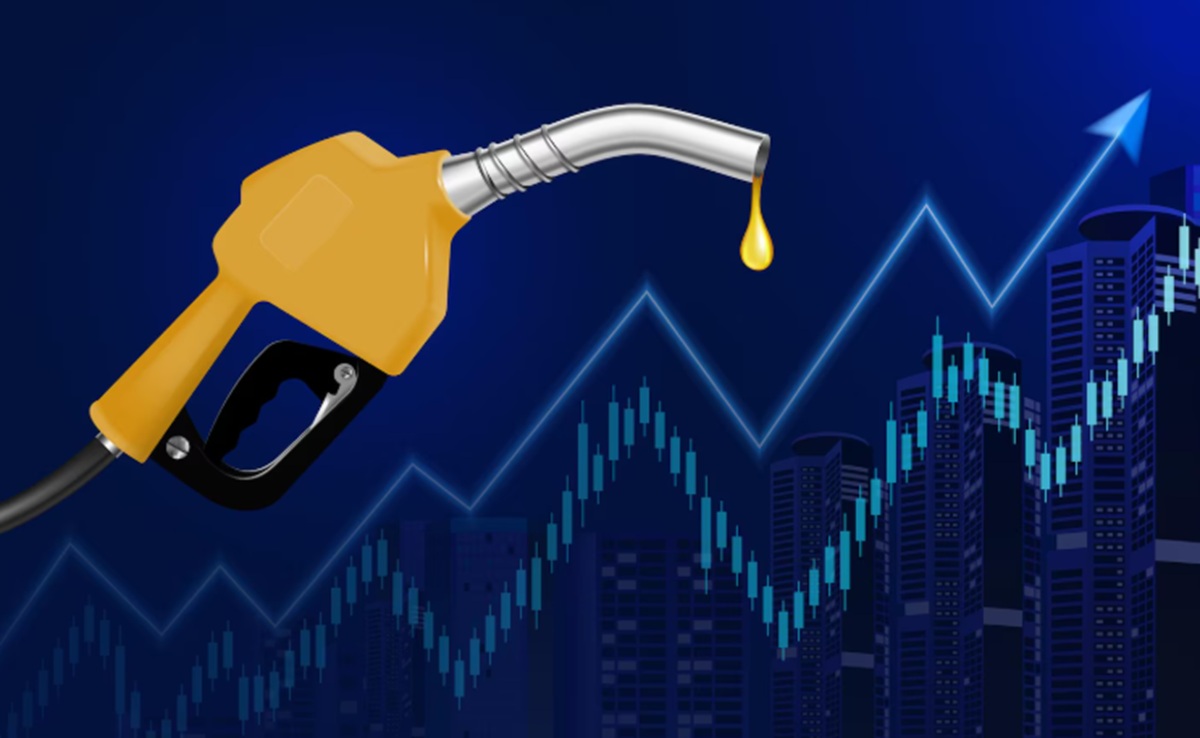
Global crude oil has experienced a sharp correction after briefly touching its highest level in four years. This decline was triggered by statements from US President Donald Trump, who indicated that the conflict between the United States and Israel against Iran could end “very soon”.
Previously, global markets had been shaken when Brent crude exceeded US$100 per barrel for the first time since Russia’s invasion of Ukraine in 2022. Brent even reached a four-year high of US$119.50 during Monday’s trading before ultimately closing down sharply at US$98.96 per barrel.
In an interview with CBS News, Trump claimed that the war in Iran was already “very complete, almost finished”. This statement immediately calmed market concerns. Additionally, Trump unveiled aggressive plans to secure global energy supply routes.
“Ships are beginning to move through the Strait (of Hormuz). I’m thinking about taking control of that region,” Trump stated.
This step was taken given that the Strait of Hormuz is a crucial corridor through which approximately 20% of global oil consumption passes. Previous closure of this route was cited by research firm Rapidan Energy as the largest oil supply disruption in history.
Beyond this, internal sources indicate that Trump is considering reducing oil sanctions against Russia in order to suppress commodity prices in the global market.
Although prices have begun to stabilise, the situation on the ground still shows tensions. Oil production in Iraq has reportedly collapsed by up to 70%, whilst Kuwait and the United Arab Emirates have begun cutting production due to limited storage space caused by hindered distribution through the Strait of Hormuz.
Iran’s Foreign Ministry spokesperson, Esmail Baghaei, warned that tankers must remain vigilant. “As long as the situation is not secure, I believe all tankers and maritime navigation must be extremely careful,” he told CNBC.
In response to this uncertainty, energy ministers from G7 countries are scheduled to hold a virtual meeting on Tuesday morning. The primary focus of the meeting is to discuss the possibility of jointly releasing emergency oil reserves to maintain global supply stability.
US Energy Secretary Chris Wright expressed optimism that traffic through the Strait of Hormuz would soon recover once threats to tankers are eliminated. “We will not be long before we see the resumption of regular ship traffic through the Strait of Hormuz,” he concluded.