
Trump's Deadline Approaches, Iranian Citizens Prepare for US Attack
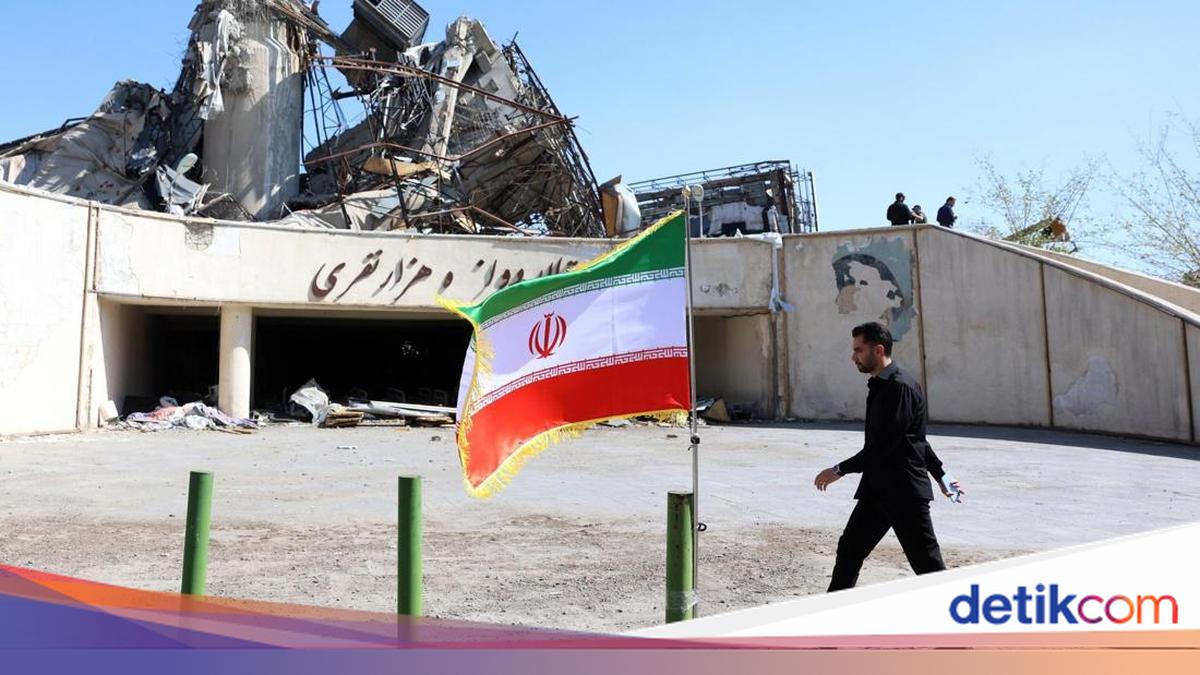
Iranian citizens are beginning to react to threats from US President Donald Trump, who is determined to destroy Iran’s power plants and bridges if the country does not open the Strait of Hormuz. In a profanity-laced social media post on Sunday, Trump wrote: “Tuesday will be Power Plant Day and Bridge Day, all at once, in Iran. There will be nothing like it!!!” Iranian officials have mocked the deadline set by Trump at 8:00 PM Eastern Time (Tuesday, 07/04). A presidential aide described his “insults and nonsense” as born solely from “desperation and anger.” The BBC managed to speak with several Iranian citizens, all opposed to the current regime, although it is extremely difficult to contact people inside the country due to the internet blackout imposed by authorities more than five weeks ago. For their safety, their names have been changed. Kasra, a man in his 20s living in Tehran, said: “It feels like we are sinking deeper into the swamp. What can we do as ordinary people? We can’t do anything. We can’t stop him [Trump]. I keep imagining a scenario where, a month from now, I am sitting with my family without water, without electricity, without anything. Then someone blows out a candle and we go to sleep.” While Iranian state television airs videos of fully stocked grocery stores, the BBC has heard reports that some citizens are starting to stockpile supplies and are concerned that water supplies may also be disrupted. “My mother is filling every bottle she can find in the house with water,” said Mina, also in her 20s from Tehran. “I don’t know what we will do now. I think more and more people in Iran are realising that Trump doesn’t care about them at all. I hate him from the bottom of my heart, and I also hate those who support him.” The petrochemical complex in Mahshahr, southwestern Iran, was hit by missiles on Saturday. In January, when deadly anti-government protests swept Iran, US President Donald Trump said that “help is on the way” for the protesters. However, he did not intervene when Iranian security forces launched an unprecedented crackdown, killing at least 6,508 people and arresting 53,000 others, according to the US-based Human Rights Activists News Agency (Hrana). Some of the citizens interviewed by the BBC initially viewed the US-Israel strikes as the promised aid. But now most of them consider attacks on energy infrastructure as a red line. “I have been grateful to Israel and the US for almost all the targets they have destroyed so far,” said Arman, a man in his 20s from Karaj, west of Tehran. Iranian media reported 13 people killed and nearly 100 others injured when a bridge under construction in Karaj was bombed on Thursday. “They must have strong reasons for those targets. But I swear, hitting power plants will only cripple the country. That would actually benefit the Islamic Republic. I live about one kilometre from the largest power plant in Karaj, and if they hit it, all that will be left is suffering for me.” Radin, also in his 20s and living in Tehran, added: “If attacking targets in this country can bring down the Islamic Republic, I wouldn’t mind. Because if the Islamic Republic survives this war, it will survive forever.” Iran says more than 30 universities have been affected, including Shahid Beheshti University in Tehran. Many of those interviewed by the BBC admit they are worried about the economic impact of the war. Bahman, a man in his 20s living in Tehran, said: “I think Trump is afraid of what Iran will do. I am sure Iran will strike back across the region.” “For me personally, I no longer have a routine, I can’t even work in the current situation because I am a building supervisor engineer and no one is building anything right now. Some small companies have already started laying off employees.” Jamshid, in his 30s and running a restaurant in Tehran, said his business “is not the same as before the war. I am not optimistic about this situation. I estimate I can hold out for a month, maybe two at most. Rent is really burdensome for me. It’s 200 million toman per month [about $1,270; £960; 1,100].” That amount is far higher than the average monthly salary, estimated at only around $200 to $300. Most of those interviewed by the BBC still have to pay high prices for internet access. The main route is sharing connections via those who have Starlink satellite internet systems. However, using or possessing Starlink in Iran can result in up to two years in prison, and authorities are reportedly searching for parabolic devices to stop citizens’ connections. Internet access is sold through the Telegram messaging app for around $6 per 1GB of data. Marjan, a man in his 20s from Tehran, said: “I feel like I’m losing my mind. I even didn’t renew the expensive internet package I had paid for. What’s the point if Trump hits the energy infrastructure? I am stressed. My parents are also arguing over small things now. I keep telling myself that I’m fine, but today I have had three mental breakdowns.”