
Trump's 10% global tariff sued by 24 US states
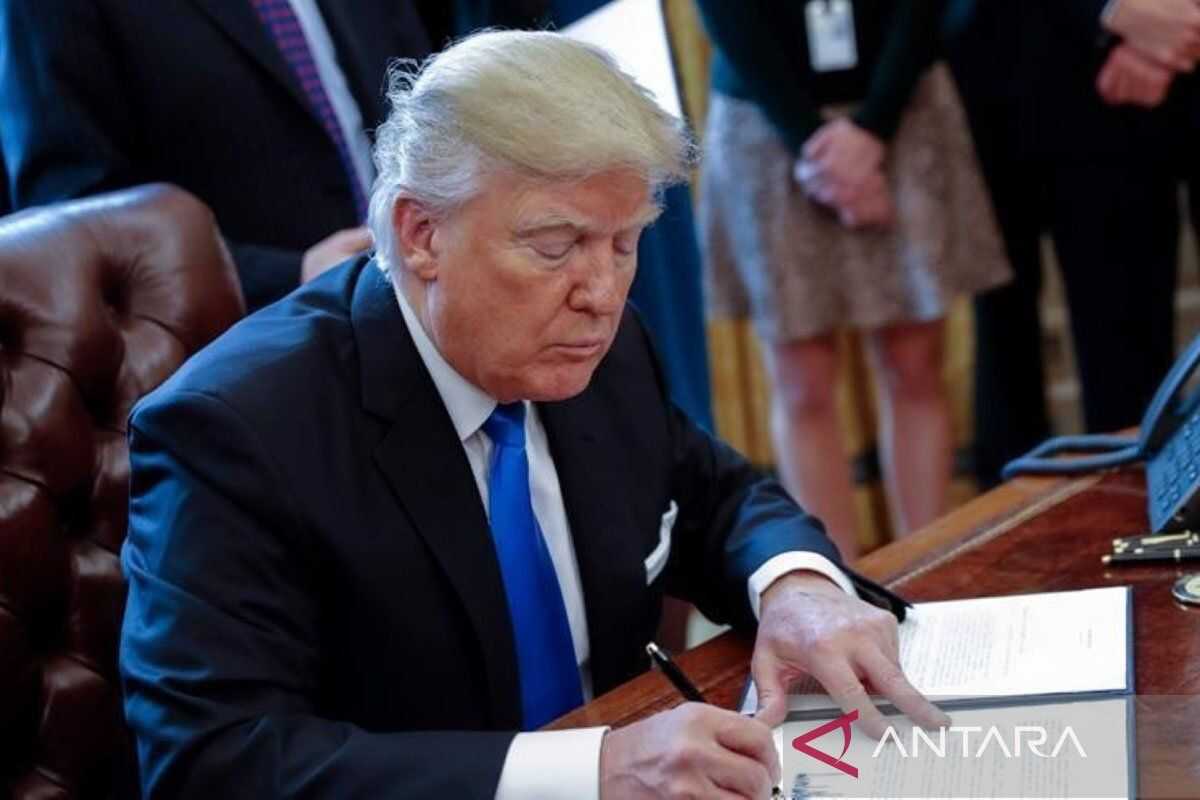
Tokyo — Twenty-four states in the United States have sued President Donald Trump over a new 10 percent global tariff, arguing that it does not meet legal requirements. The suit, led by Democratic attorneys-general and governors, was filed with the United States Court of International Trade on Thursday (5 March), while Trump is seeking to raise the tariff to 15 percent as early as this week. On 20 February, the Supreme Court ruled that Trump exceeded his authority as president in using the International Emergency Economic Powers Act to impose counter tariffs on numerous countries, as well as duties related to fentanyl on goods from China, Canada, and Mexico. Trump did not obtain Congressional approval before implementing the tariff, although taxation powers are constitutionally held by the legislature. In the latest lawsuit, the plaintiffs say that the Republican president has “once again exercised tariff authority he does not have” thereby “disrupting the constitutional order and causing chaos in the global economy.” The 10 percent tariff targeting a majority of imports took effect on 24 February under Section 122 of the Trade Act of 1974, which allows the president to impose tariffs of up to 15 percent for up to 150 days to address a “large and serious” balance of payments deficit. They say the US trade deficit is only one component of the balance of payments, but Trump is accused of twisting the term. The states filing the suit include California, Colorado, Illinois, Oregon, Maryland, New York, and Virginia. U.S. Treasury Secretary Scott Bessent on Wednesday said the government is likely to raise the global tariff temporarily to 15 percent this week. He also hinted that the government is preparing a more permanent tariff for each country under Section 301 of the Trade Act, which enables the US to impose tariffs in response to unfair foreign trade practices. Section 301 grants the U.S. government authority to impose tariffs in response to unfair foreign trading practices. Trump previously used that provision to hike tariffs on Chinese goods when he launched the trade war during his first term. Source: Kyodo