
Trump Threatens to Strike Iran 20 Times Harder if Hormuz Strait Closure Continues
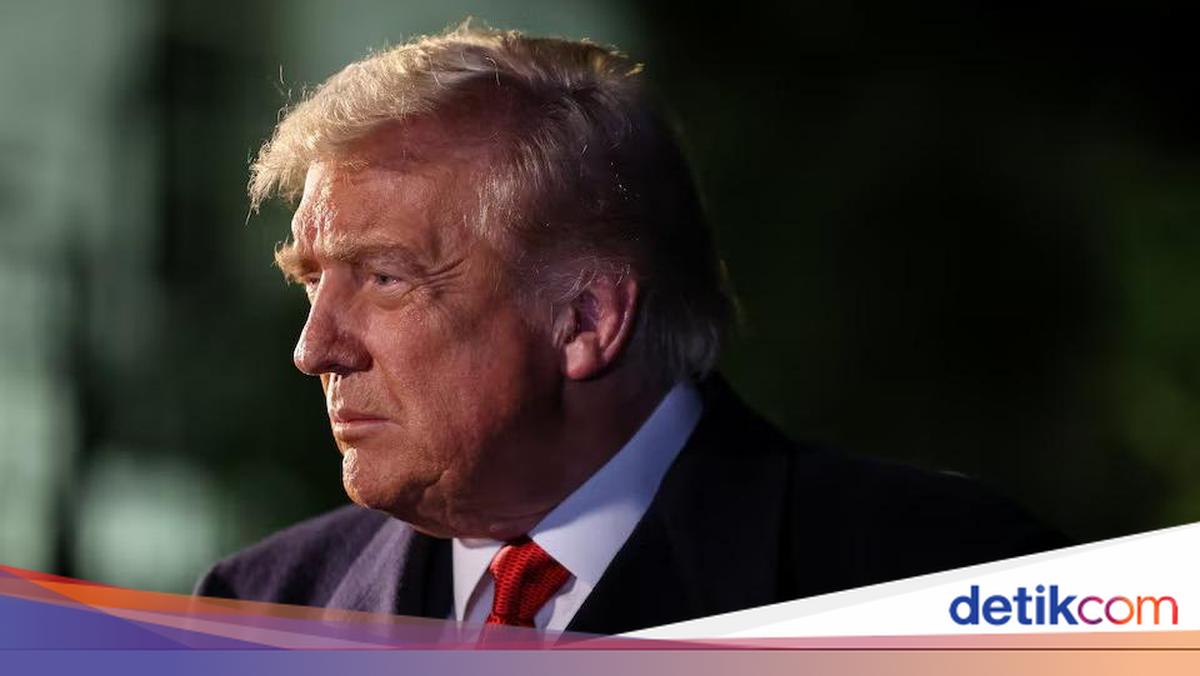
US President Donald Trump has issued a stern warning to Iran regarding the closure of the Strait of Hormuz, a critical maritime corridor. Trump has threatened to strike Iran twenty times harder if the blockade of oil shipments through this strategically important waterway continues.
In a statement reported by Al Jazeera on Tuesday, 10 March 2026, Trump warned that continued blockade actions would trigger a severe military response from the United States. “If Iran does something that stops the flow of oil through the Strait of Hormuz, they will be hit by the United States TWENTY TIMES HARDER than they have been hit so far,” Trump stated in a message via Truth Social.
“Furthermore, we will destroy targets that are easy to destroy, which will make it nearly impossible for Iran to rebuild itself as a nation—Death, Fire, and Fury will befall them—But I hope, and pray, that this will not happen!” the US President added.
Trump framed his stance as part of a broader effort to protect the international energy market, describing it as “a gift from the United States to China, and all countries that heavily use the Strait of Hormuz”. “Hopefully, this is a signal that will be greatly appreciated,” he said.
The Strait of Hormuz has been closed since the US and its ally Israel launched a large-scale air strike against Iran on 28 February. Tehran responded with waves of missile and drone attacks on targets in Israel and Gulf states hosting US military assets.
The attacks, which followed the outbreak of conflict in late February, have brought traffic through the Strait of Hormuz—a crucial passage for oil and other goods—to near standstill. The Strait of Hormuz is a strategically important waterway that typically handles approximately 20 per cent of global oil trade and global liquefied natural gas exports. However, according to analytics firm Kpler, which operates the MarineTraffic platform, tanker traffic there has declined 90 per cent within a week.