
Trump Threatens to Attack Iran's Infrastructure, Tensions Escalate
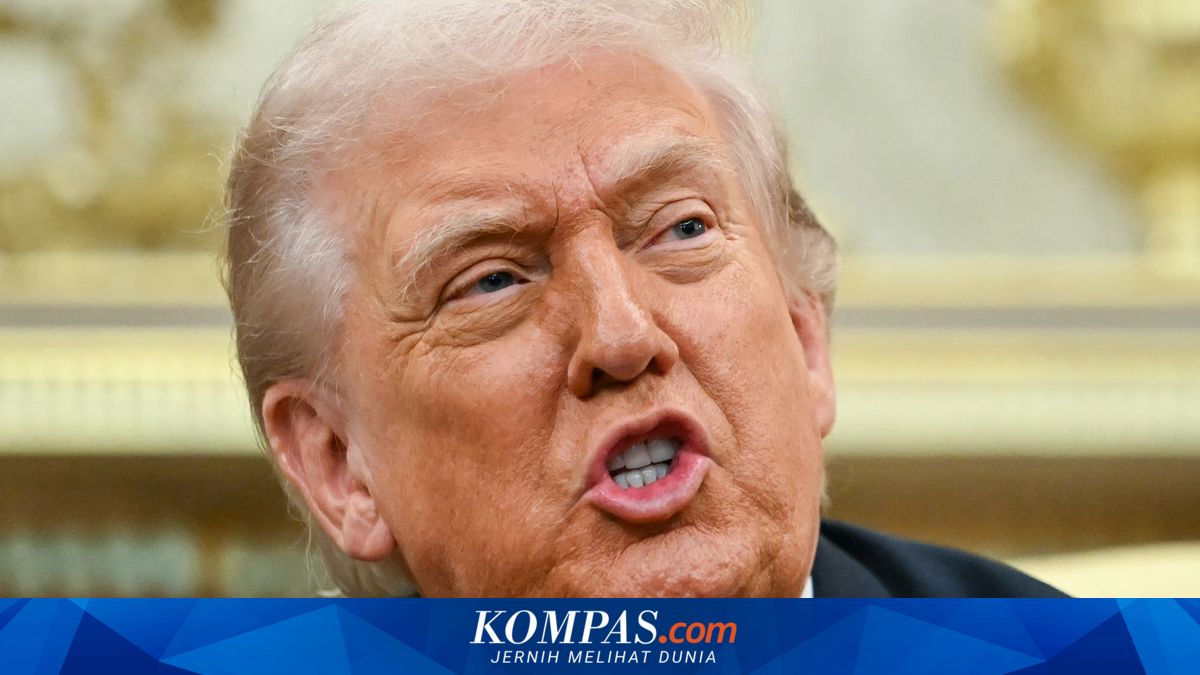
US President Donald Trump has once again issued strong threats against Iran, naming vital infrastructure such as bridges and power plants as potential targets for attack. Quoted from CNBC, in a post on the social media platform Truth Social on Thursday (2 April 2026) evening local time, Trump stated that the leadership of Iran’s “new regime” knows what must be done, and it must be done quickly. The statement came after a new bridge, the B1 Bridge near Tehran, was destroyed in an airstrike allegedly carried out by the United States and Israel. Iranian state media reported at least eight people killed in the attack. Trump provided no further explanation regarding the intended actions. A day later, Trump stirred further controversy by stating that the United States could open the Strait of Hormuz, take control of the oil, and reap great benefits for the world. He described the move as potentially a “great source of profit” globally. The situation intensified after reports of a US fighter jet crashing in Iranian territory, though no official confirmation has come from US Central Command or Iranian authorities. Previously, in a speech on Wednesday (1 April 2026), Trump said the US military would strike Iran “very hard” over the next two to three weeks. He even threatened to “take Iran back to the Stone Age.” In response, Iran’s Foreign Minister Abbas Araghchi mocked that in the “Stone Age,” there was no oil and gas production in the Middle East. He questioned whether the American people truly wanted to “turn back time.” Despite reports of ceasefire efforts and a 15-point peace proposal from the US side, Iran has repeatedly denied any negotiations with the Trump administration. Tehran even described the proposal as “maximalist and unreasonable.” On the other hand, Trump’s threats to target civilian facilities such as power plants and water installations have drawn criticism. Meanwhile, the Gulf Cooperation Council (GCC) has urged the UN Security Council to take steps to halt Iran’s aggression against its member states, including Bahrain, Kuwait, Oman, Qatar, Saudi Arabia, and the United Arab Emirates. However, efforts to pass a resolution allowing military action against Iran were halted after rejection by China, Russia, and France, who exercised their veto rights in the UN Security Council.