
Trump Threatens Further Strikes on Iran Oil Facilities and Calls for Allied Naval Presence in Strait of Hormuz
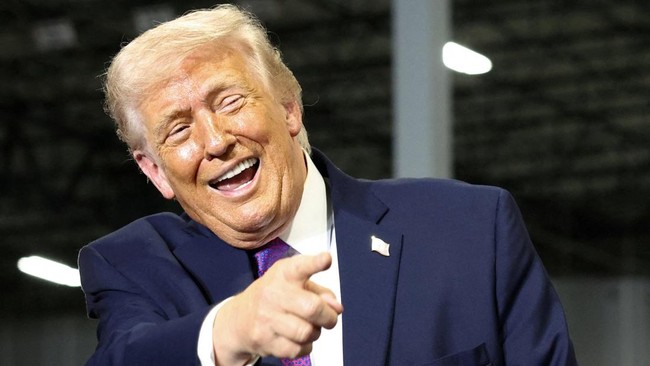
US President Donald Trump has warned of possible further strikes against Iran’s main oil export facilities on Kharg Island whilst simultaneously urging allied nations to deploy warships to secure the Strait of Hormuz, a strategically important route for global energy supplies.
The statement emerged as the conflict between the United States, Israel and Iran entered its third week. Trump claimed that previous US air strikes had destroyed the majority of facilities on the island, which serves as Iran’s oil export hub.
“We may well strike it a few more times,” Trump stated, cited from Reuters on Sunday (15/3/2026).
The comment marks a new escalation in the conflict, with Trump having previously stated he was targeting only military facilities on Kharg Island. Several sources indicate that the US administration has also rejected attempts by Middle Eastern allies to pursue diplomatic negotiations.
The prolonged conflict has triggered concerns over global energy supplies. Iran possesses the capability to disrupt maritime traffic through the Strait of Hormuz, a strategic route through which approximately one-fifth of global oil trade passes.
Energy prices have surged as the conflict triggers major disruptions to global oil supplies. Analysts forecast that energy market volatility is likely to continue for an extended period.
Through social media posts, Trump has called on nations dependent on oil passing through the Strait of Hormuz to help maintain the security of the route.
“Countries that receive oil through the Strait of Hormuz must protect that route, and we will help,” Trump wrote.
Meanwhile, Iran’s Foreign Minister Abbas Araqchi has asserted that Tehran will retaliate against any strikes targeting the country’s energy facilities.
The Islamic Revolutionary Guard Corps has announced it has launched missile and drone attacks against targets in Israel and three US military bases in the region. The strikes were described as the first round of retaliation for casualties in Iran’s industrial sector.
The Israeli military stated it is intercepting a number of incoming attacks. Saudi Arabia, meanwhile, claimed to have destroyed 10 drones heading towards Riyadh and the country’s eastern regions.
Drone strikes have also been reported disrupting major energy facilities in the United Arab Emirates. The US government has issued warnings to its citizens to leave Iraq immediately.
The conflict, which began on 28 February with US and Israeli strikes against Iran, has killed more than 2,000 people, predominantly in Iran according to government reports and local media.
Geopolitical tensions have further deteriorated energy market conditions. Oil loading operations at Fujairah in the United Arab Emirates were temporarily halted after drone attacks struck the world’s largest ship refuelling hub.
Trump has also called on nations including China, France, Japan, South Korea and the United Kingdom to send warships to secure the Strait of Hormuz. However, no country has yet directly stated it will meet this request.
Amid escalating tensions, Iran’s Supreme Leader Ayatollah Mojtaba Khamenei has stated that the Strait of Hormuz should remain closed. This statement has further heightened market concerns regarding the stability of global energy trade routes.