
Trump, Reuters Polls and a Deadly Escalation in Iran
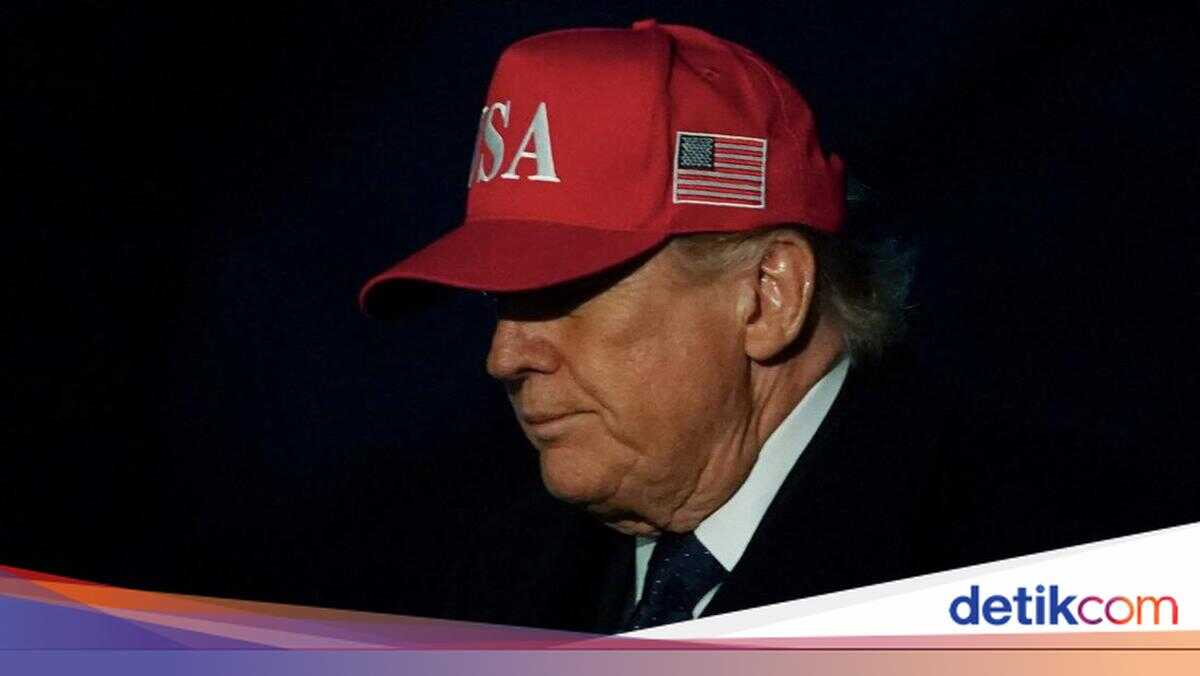
Results of the Reuters/Ipsos poll released last week present a hard-to-ignore picture: 61 per cent of Americans say President Donald Trump is becoming increasingly ‘erratic’ as he ages. A term that in political context refers to decisions or behaviour that are irregular, hard to predict, and inconsistent. Only 45 per cent assess him as mentally sharp and able to face challenges. His approval rating remains around 40 per cent. And more broadly, 79 per cent of respondents say Washington officials are too old to represent the United States.
Those figures stand on their own. They do not require dramatic interpretation. But global context makes them far more meaningful. A few days after the poll was published, the world witnessed developments that shook the Middle East. Ayatollah Ali Khamenei, the supreme leader of Iran for more than three decades, died in a joint US-Israeli air strike in Tehran. The Iranian government confirmed the death and announced national mourning. The strike targeted a strategic command centre and represented the most direct blow to the Iranian power structure since the 1979 Revolution.
Khamenei’s death is not just a change of figure, but opens a new phase of uncertainty. Iran is a key player in a geopolitical network spanning Iraq, Syria, Lebanon, and Yemen. Iran has influence over regional militias, access to vital energy routes, and a strategic position in the Strait of Hormuz.
Within hours of confirmation of his death, Iran launched retaliation with drones and missiles against US military bases and allied targets in the Gulf region. Energy markets became volatile. Oil prices surged. Western allies called for de-escalation.
Here, Reuters polling takes on broader significance. When a majority of Americans describe their president as increasingly ‘erratic’, that term does not stand in a vacuum. It appears together with increasingly aggressive and high-risk foreign policy. Public perception of leadership uncertainty meets military decisions with consequences that go beyond national borders.
Trump supporters may view strikes against Iran as firm action against a regime that has challenged America and its allies for years. They might argue that a dangerous world requires bold leadership and a willingness to take risks. In this logic, the unexpected is a tool of strategy, not a weakness.
Yet criticisms are also strong. When only 45 per cent of the public are confident in the president’s mental sharpness, and a majority view Washington officials as too old, moves that shift global power balances become far more politically sensitive. Democracy relies on public legitimacy. Large military actions without broad domestic consensus can deepen polarisation and erode trust in institutions.
Developments in Iran also place America at a strategic crossroads. Without Khamenei, succession dynamics in Tehran become a tug-of-war between hardline and pragmatic factions. If power falls into a more militaristic group, conflict could widen. If prolonged vacancy occurs, internal instability in Iran could spill over into the Gulf region. Both scenarios carry major risks for American troops and global stability.
Reuters polling does not say the public rejects Trump’s foreign policy. Nor does it show his political support collapsing. The approval rating remains at 40 per cent, a significant figure in modern American politics that is deeply divided. But the survey shows a gulf in perception that a majority feel uncertainty in leadership style, even as some continue to support him.
The domestic-versus-global action tension is what defines the United States moment now. The world watches not just missiles fired or bases attacked, but how Americans view their own leader. In an age of instant information and interconnected economies, leadership stability becomes part of strategic strength.
The attack that killed Iran’s top leader may be remembered as a geopolitical turning point. At the same time, it also reflects how a major democracy faces decisions of war when its own people are divided in assessing the consistency and stability of their president. The numbers in the poll do not change. But their meaning is now heavier.
Waode Nurmuhaemin. Public policy expert and Research Fellow INTI International University Malaysia.
(rdp/imk)