
Trump Rejects Iran's Peace Proposal, Global Oil Prices Surge to This Level
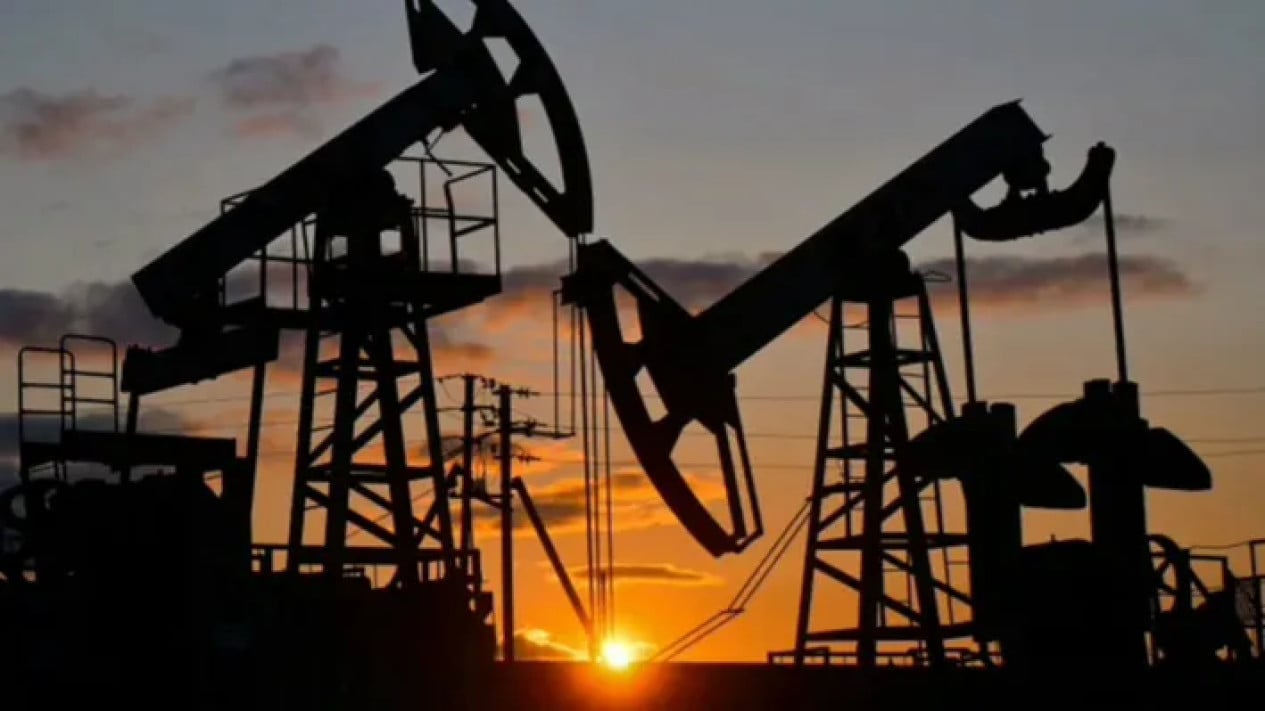
Global oil prices have surged again following US President Donald Trump’s rejection of Iran’s proposal to end the war that has been ongoing since late February 2026. This rejection has sparked market concerns over disruptions to global energy supplies.
In Asian trading on Monday morning, Brent crude oil rose 3.8% to US$105.20 per barrel, equivalent to Rp1.78 million per barrel assuming an exchange rate of Rp17,000 per US dollar. Meanwhile, US crude oil increased 4% to US$99.30 per barrel, or approximately Rp1.68 million per barrel.
The price surge was triggered by renewed tensions between Iran, the United States, and Israel. Iran had previously sent an official response to the US peace proposal via Pakistan, which is mediating between the two countries.
According to the semi-official Tasnim news agency, Iran demanded an immediate end to the war and guarantees that there would be no further US or Israeli attacks on its territory.
However, Trump immediately rejected the proposal. “I just read the response from what is called the ‘representative’ of Iran. I don’t like it, IT IS COMPLETELY UNACCEPTABLE,” Trump wrote on social media, as quoted by the BBC on Monday, 11 May 2026.
US media outlet Axios reported that Washington’s previous proposal included reopening shipping lanes in the Strait of Hormuz and halting Iran’s uranium enrichment programme.
Israeli Prime Minister Benjamin Netanyahu also emphasised that the war would not end until Iran’s uranium stockpile is “eliminated”. These geopolitical tensions have once again unsettled global energy markets.
The Strait of Hormuz, a strategic route through which about one-fifth of the world’s oil and gas supplies pass, has effectively been closed since the war broke out on 28 February.
Iran had previously threatened to attack passing ships in retaliation for US and Israeli strikes. The closure of this route has disrupted global energy distribution and driven up international oil prices.
Although a ceasefire was briefly implemented in early April to allow room for peace negotiations, the situation remains unstable. On 21 April, Trump even extended the ceasefire indefinitely to enable Iran to present a comprehensive proposal.
However, no agreement has been reached to date.