
Trump Rejects Iran's Ceasefire Points
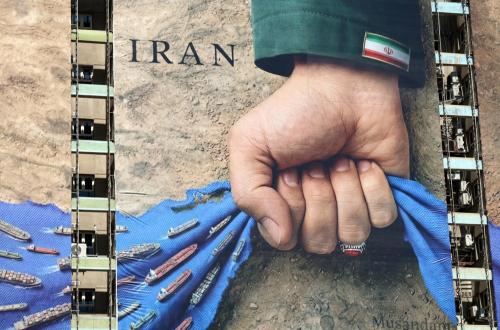
REPUBLIKA.CO.ID, WASHINGTON – US President Donald Trump has directly commented on Iran’s response to the US proposal to end the war. He rejected the points for a permanent ceasefire put forward by Tehran. “I just read the response from what is called the ‘Representative’ of Iran. I don’t like it - VERY UNACCEPTABLE! Thank you for your attention to this issue. President DONALD J. TRUMP,” the president wrote on his Truth Social platform last night. Trump then reaffirmed the rejection through comments to the US media outlet Axios. “I don’t like their letter. It’s not appropriate,” Trump told Axios. He did not share details of what he disliked about the text. President Trump also said he had a “very good conversation” with Netanyahu, but emphasised that the Iran negotiations were “my situation, not someone else’s situation”. Earlier, Iranian media reported that the response was conveyed through Pakistani mediators today. Iranian officials did not speak clearly about the content of the proposal they submitted. However, the semi-official Tasnim news agency has reported several points from Iran’s proposal, citing sources in the Iranian government. The text emphasises Iran’s urgent need to end the war and guarantees of no further aggression against Iran. In addition, the Iranian text stresses the need for the lifting of US sanctions and for Iran to manage the Strait of Hormuz, contingent on the fulfilment of certain commitments from the United States. The release of Iran’s frozen assets over a 30-day period is also part of Iran’s plan. They can then move on to other issues after that 30-day period – namely the nuclear issue. However, at this stage, Iran does not offer to negotiate its nuclear programme. So Iran only states that they are open to negotiations but desire an initial memorandum. Simon Mabon, professor of Middle East studies and international politics at Lancaster University, said the latest diplomatic efforts, including meetings between the Qatari Prime Minister and the Iranian Foreign Minister, are “very important”. “They want to send a message to the United States saying, ‘We see this (peace deal) in our own way. We will not rush into doing this. We will not be fixated on a single barrel. We will not be forced to make a decision we may not like,’” he said. “I think one of the reasons is that Iran believes they are in a much stronger position than America thinks.” Mabon said both sides are increasingly seeing themselves as winners, making “diplomacy and direct negotiations very difficult to achieve”. The Lebanese front is another complicating factor, he added, with the so-called “ceasefire” violated every day since it was announced at the end of April. “Netanyahu needs some kind of political victory in the coming months. Regarding Iran, he hasn’t got it, so he’s trying with Hezbollah,” said Mabon.