
Trump Pressures NATO on Strait of Hormuz as European Allies Rage: "This Is Not Our War!"
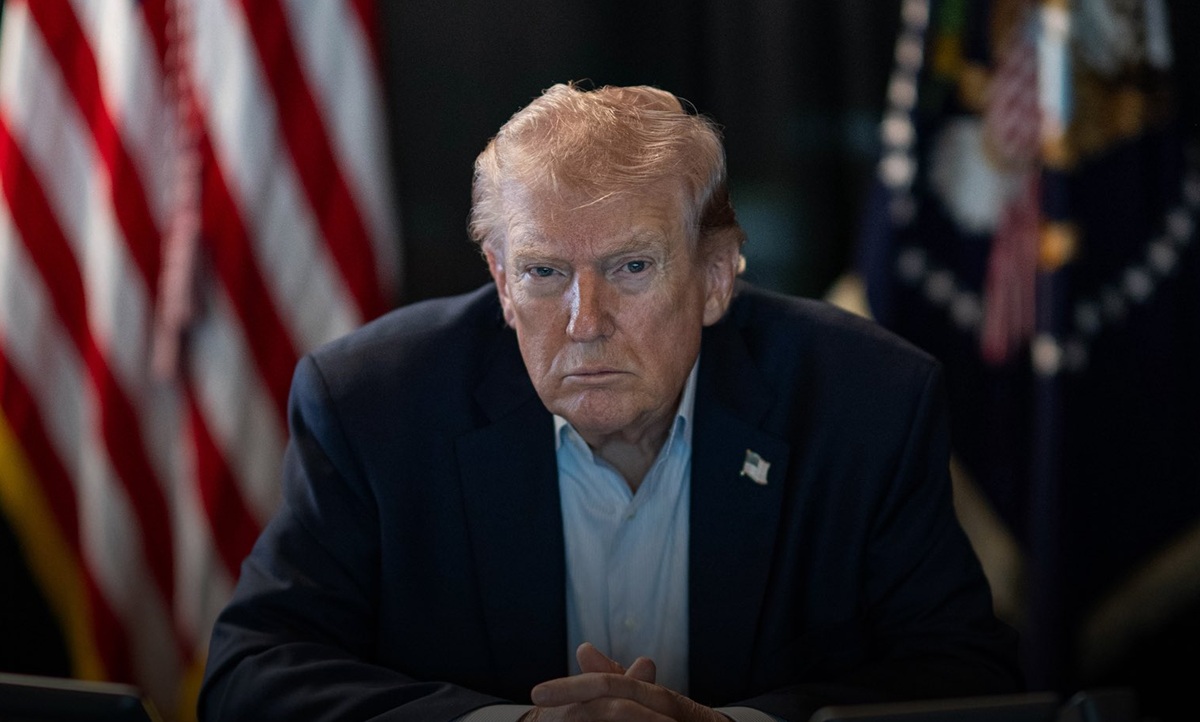
President Donald Trump has reignited tensions within NATO by implying that failure to secure the Strait of Hormuz will have serious consequences for the future of the defence alliance. The statement has provoked sharp reactions from Washington’s allies, who believe Trump has overstepped NATO’s mandate.
Retired Chief of the Defence Staff of the United Kingdom, General Sir Nick Carter, emphasised that NATO is not a tool to legitimise one member’s wars of choice.
“NATO was formed as a defence alliance. It is not an alliance designed so that one ally can conduct a war of choice and then require everyone else to follow. I am not sure that is the kind of NATO we want to be part of,” Carter told the BBC.
The sharpest reaction came from Berlin. The German government spokesperson stated that tensions with Iran have nothing whatsoever to do with NATO. German Defence Minister Boris Pistorius even questioned the effectiveness of sending a small European fleet to the region.
“What does Trump expect from a handful of European frigates that cannot be accomplished by the mighty US Navy?” Pistorius asked sarcastically. “This is not our war. We did not start it.”
These concerns are well-founded. Iran possesses asymmetric capabilities in the Strait of Hormuz, ranging from armed speedboats and suicide drones to coastal missile systems. Recent images from the Fars News Agency show hundreds of vessels and drones stored in underground tunnels, indicating Tehran’s readiness for prolonged conflict.
Amid diplomatic deadlock, a critical technical problem has emerged: naval mines. Trump had previously dismissed efforts to open the Strait of Hormuz as a “small undertaking,” but history tells a different story. The last major mine-clearing operation in 1991 took 51 days to complete.
Britain currently faces a difficult position as it lacks active minesweeper vessels in the region. Instead, the Royal Navy plans to offer sea drones that have not yet been tested in actual combat.
“We may find out within the next few weeks whether this technology will succeed or not,” said Tom Sharpe, former commander of the Royal Navy.
British Prime Minister Sir Keir Starmer stated that talks to develop a “viable plan” continue with US, European, and Gulf partners. However, he emphasised that Britain has not yet reached the decision-making stage.
Starmer stressed that every military personnel deployed must have clear security guarantees and legal grounds.
“At the very least, they deserve to know that they are doing this on a legal basis and with a carefully thought-out plan,” Starmer insisted.
To date, such a plan does not exist. As NATO allies remain hesitant at the brink of involvement in the Iran conflict, the threat to the global economy from the blockade of the world’s oil route through the Strait of Hormuz continues to loom.