
Trump: Iran Port Blockade to Continue if No Peace Deal
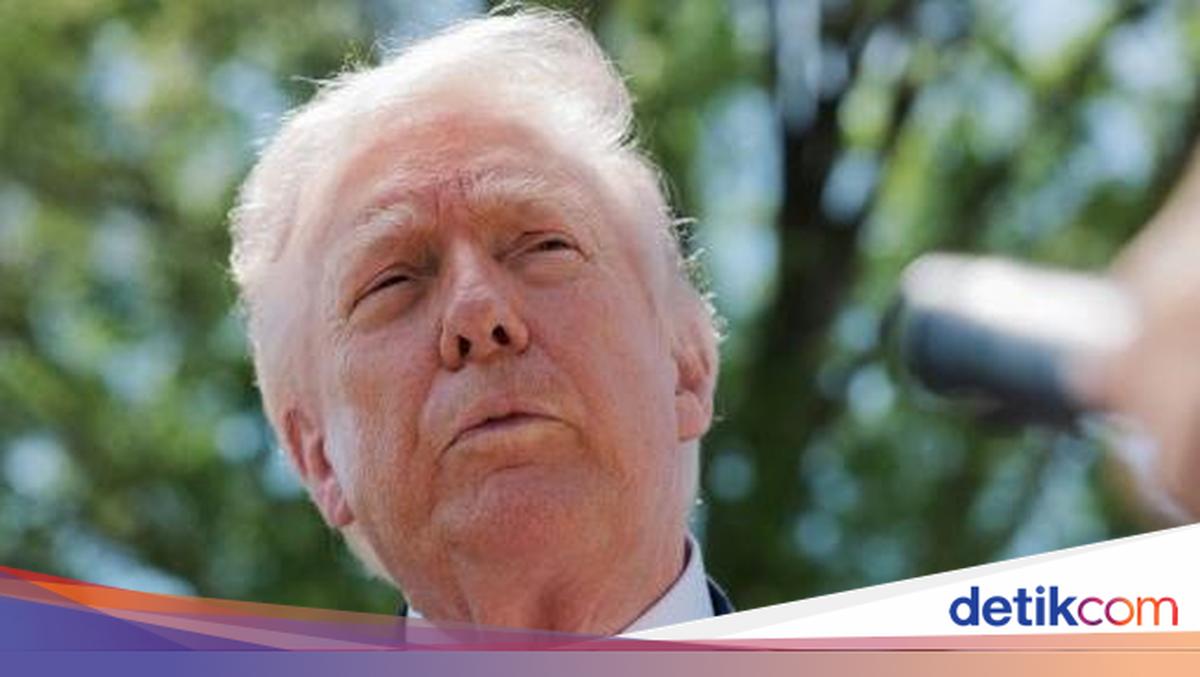
US President Donald Trump has said that he plans to maintain the US blockade of Iranian ports if no peace agreement is reached with Tehran. He added that he might not extend the ceasefire after it expires.
Iran reopened the Strait of Hormuz on Friday (17/4) following a ceasefire agreement between Israel and Lebanon. However, Tehran has threatened to close the vital waterway again if the US blockade continues.
Meanwhile, the ceasefire between Tehran and Washington is set to expire on Wednesday.
“I might not extend it, but the blockade will remain in place,” Trump told reporters, as cited by Al Arabiya on Saturday (18/4/2026), when asked whether the ceasefire would be extended.
When asked about the possibility of a peace deal with Iran, Trump said, “I think it will happen.”
The main differences remain in the demands from the United States and Iran, which previously failed to reach an agreement in talks in Pakistan.
Trump told reporters that “there will be no tolls” imposed by Iran on ships passing through the Strait of Hormuz. This had been proposed by the Islamic Republic during previous peace deal plans.
In a post on his Truth Social platform, Trump stated that Tehran would hand over its enriched uranium stockpiles to the United States under a plan to end the war, which began on 28 February.
However, Iran’s Foreign Ministry said its uranium stockpiles would not be moved “anywhere.”
“Iran’s enriched uranium will not be moved anywhere,” said Iran’s Foreign Ministry spokesperson Esmaeil Baqaei to Iranian state television, as cited by AFP news agency on Saturday (18/4/2026).
“The transfer of Iran’s enriched uranium to the US was never discussed in the negotiations,” he snapped.
Baqaei said recent talks centred on resolving the conflict, not on handing over Iran’s uranium stockpiles.
“Previous negotiations focused on nuclear issues, but now the negotiations focus on ending the war, and of course the scope of topics discussed has become broader and more diverse,” he said.
“The 10-point plan to lift sanctions is very important to us. The issue of compensation for damages caused during the imposed war is very important,” he stated.