
Trump in Panic: Russian and Venezuelan Oil Sanctions to be Lifted to Mitigate Iran War Effects
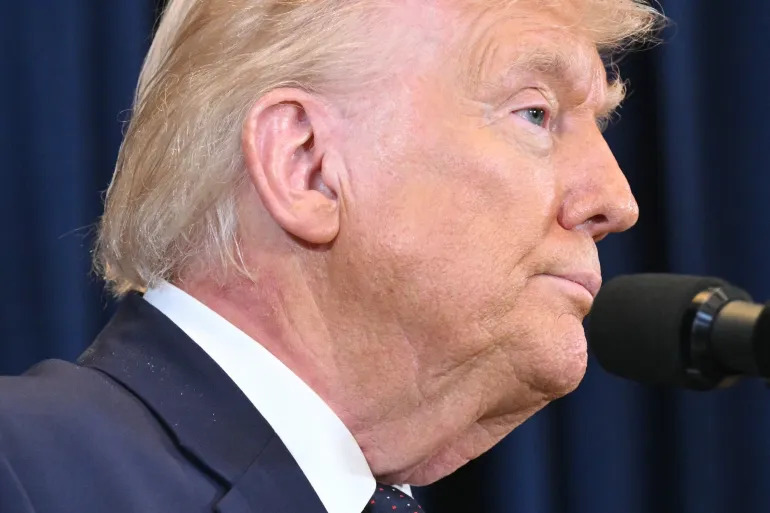
Amid the escalating conflict between the United States and Israel against Iran, President Donald Trump has demonstrated signs of alarm over global energy turbulence that could cripple the world economy. In a statement issued in Florida on Monday 9 March, Trump announced surprising plans to lift sanctions against several oil-producing nations to stabilise prices that briefly touched USD 120 per barrel.
Trump stated that the sanctions relaxation would be temporary until market conditions stabilise. “We have sanctions against some countries. We will lift those sanctions until this problem is resolved,” Trump said.
“Then, who knows, maybe we won’t need to enforce them again – there will be much peace,” he added.
Although Trump did not specify which countries would receive relief, Washington currently enforces strict sanctions on Russian, Iranian, and Venezuelan oil sectors. However, Reuters reports that Russia is a strong candidate for sanctions relaxation to maintain global stock availability.
US Treasury Secretary Scott Bessent announced last week a 30-day suspension of sanctions on Russian oil sales to India amid concerns about increasing pressure on global supplies.
Although Brent prices eased slightly to USD 84 per barrel on Tuesday 10 March following Trump’s comments, the shadow of crisis remains. Homayoun Falakshahi, lead analyst at Kpler, warned that prices could reach record highs.
“If the Strait of Hormuz remains closed until April, prices could continue to surge to USD 150 or even USD 200 per barrel,” Falakshahi told Al Jazeera.
Global energy markets have been under strain since the US and Israel launched a combined attack on Iran on 28 February, with crude oil prices surging 50% compared to before the conflict began.
Iran’s threat has effectively closed the Strait of Hormuz, through which approximately one-fifth of global oil supplies pass, forcing major Gulf producers to reduce production amid supply backlog, as most shipments have been halted.