
Trump greets the coffins of six US soldiers killed in Iran conflict
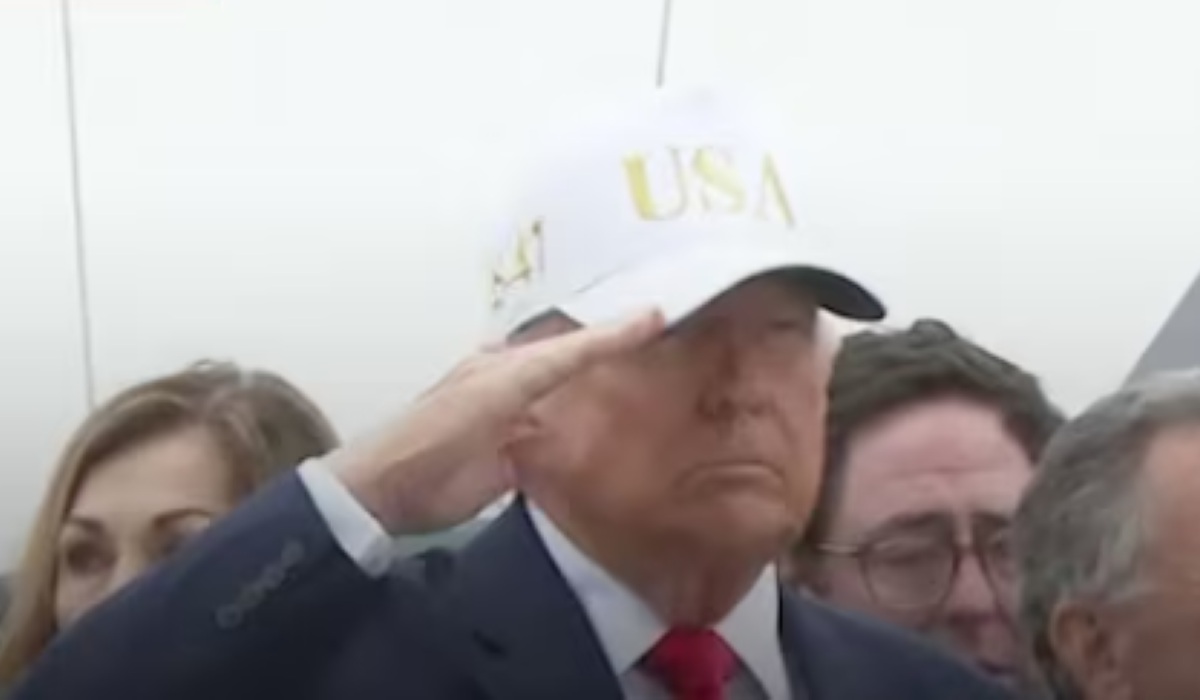
US President Donald Trump welcomed six coffins of US soldiers killed in an Iranian drone attack during a military ceremony in Delaware. The sombre moment occurred amid rising tensions with Iran and deteriorating relations between the White House and the American media. A silent, around 30-minute video of the procession, released by the White House, contained no speeches, no narration, only the sound of Scottish bagpipes, and did not include footage of grieving family members.
The reporting restrictions reflect the long-standing US policy in force since 1991 prohibiting live broadcast of coffins draped with flags. The policy aims to give families space to mourn privately and to prevent the politicisation of soldiers’ deaths; a lesson drawn from the Vietnam War era when photos of war casualties sparked anti-war sentiment in America.
During George W. Bush’s presidency in the Iraq War (2003-2011), the then-president chose not to attend the arrival of troops’ remains, arguing that his presence could disrupt families in mourning. The policy changed during Barack Obama’s presidency in 2009, allowing coverage if families consented, and inaugurating a tradition of the President’s direct attendance at the arrival of a soldier’s remains.
Similar controversy arose during Joe Biden’s tenure when media highlighted him glancing at his watch while honouring 13 US soldiers who died in a terrorist attack during the withdrawal from Afghanistan. In the March 7 funeral procession, Trump followed protocol by not delivering a speech during the ceremony; however, in brief remarks to reporters off-camera, he asserted that the United States remained ahead in the conflict and committed to doing whatever is necessary. “Death is a sad part of war,” he added.
A few hours after the procession, the presidential motorcade was reported to have headed to Trump National Doral Golf Club, as noted by the White House press pool.
In the second week of the Iran conflict, Trump’s relationship with the media again took centre stage. The president has frequently communicated significant war updates directly via Truth Social or televised press conferences, including reports of the strike that killed Iran’s Supreme Leader Ali Khamenei, possible deployment of ground troops, and calls for unconditional surrender. Nevertheless, the White House criticised media coverage of the conflict, with Defence Secretary Pete Hegseth arguing that the media focuses more on American casualties than on the success of US and Israeli operations.
“We have dominated Iran’s airspace and seas without deploying ground forces. We hold their fate. But when a number of drones breach our defences or when tragedies occur, it becomes front-page news,” Hegseth told a press conference on 4 March. White House Press Secretary Karoline Leavitt also criticised several outlets, notably CNN.
Some veteran war correspondents have described Pentagon briefings as rarer now than under previous administrations, whether Republican or Democratic. Additionally, newer media aligned with Trump are often afforded first questions in briefings. Daily briefings at the State Department in Foggy Bottom have also been halted; instead, officials such as Secretary of State Marco Rubio now frequently share views on the X platform.
On the other hand, media ownership dynamics in the United States are shifting. Two days before the February 28 attack, Netflix scrapped plans to bid for Warner Bros. Discovery, owner of CNN. This opens the possibility that Paramount Global could acquire the network. The company is controlled by business mogul Larry Ellison and his son David Ellison, known to have close ties to Trump. The Wall Street Journal reported that David Ellison had, by 2025, convinced Trump officials that he planned major changes at CNN if the $110 billion takeover went ahead. Paramount controls the CBS broadcasting network; in October 2025 the company appointed Bari Weiss as editor-in-chief with a more conservative editorial approach. Meanwhile, Trump allies in the tech world also wield considerable influence over the digital media landscape. Elon Musk controls X, while Mark Zuckerberg leads the company managing Facebook, Instagram and WhatsApp. Jeff Bezos, founder of Amazon and owner of The Washington Post, is said to be urging the paper to emphasise personal liberty and free markets in its reporting.
Trump’s ties with the media even extended to the courts; he previously sued CBS for more than US$10 billion over accusations of editing an interview to favour his opponent in the 2024 election, Kamala Harris. That lawsuit was resolved in July 2025 with Paramount paying US$16 million. In addition, media companies such as The Walt Disney Company, via ABC, also reportedly reached settlements with Trump.