
Trump Gone, Xi Jinping Welcomes Putin: China's Ambition to Dominate the Global Stage
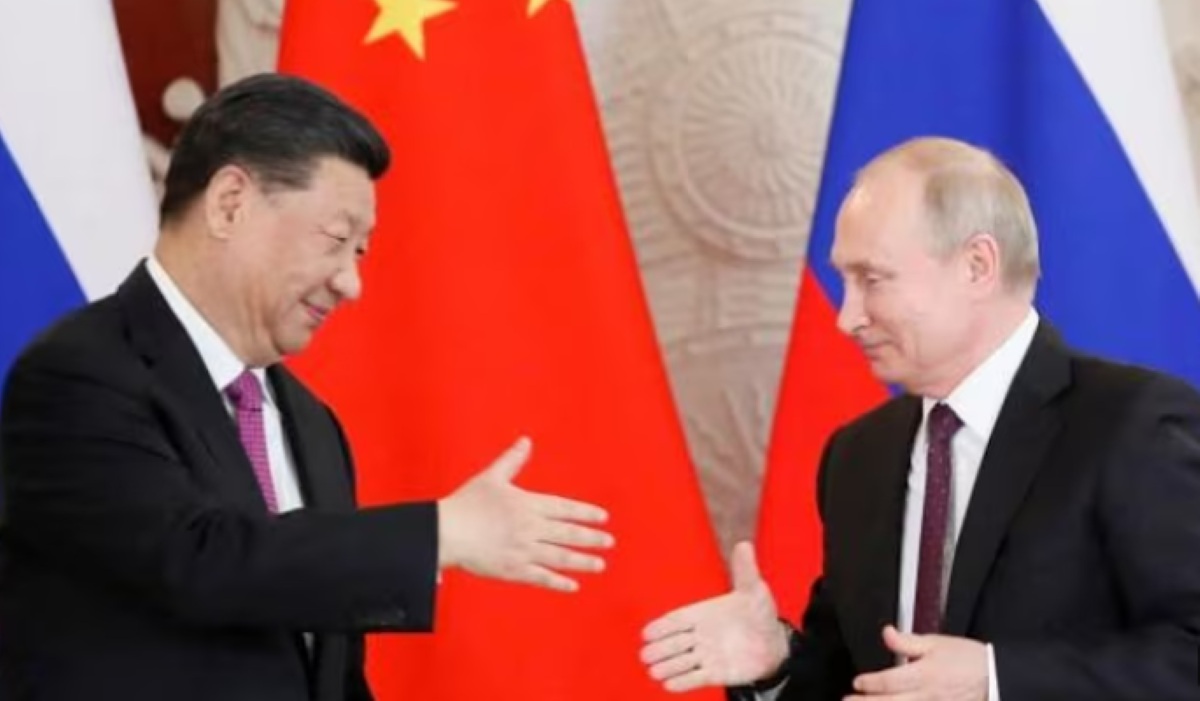
Putin’s arrival in Beijing on Tuesday, 19 May 2026, marked a historic moment for Chinese leader Xi Jinping. The meeting occurred just days after the motorcade of United States President Donald Trump departed the Chinese capital, a diplomatic scenario never before witnessed by the Panda State’s leadership.
For Xi, hosting the Kremlin ruler immediately after entertaining the US President is a demonstration of Xi’s assertion of economic parity with the United States and his strategic embrace of Russia amid the war in Ukraine. He appears to signal that he has achieved parity with Trump without compromising much, while continuing to sustain a foreign policy that supports Russia, Iran, and North Korea.
Even as Xi projects leadership on the world stage, this ambition comes at a domestic cost. Aggressive economic policy has given China leverage over the United States, but has also provoked a hard response from Washington, which is beginning to curb demand for Chinese goods.
Key points about China’s current economic condition include:
This meeting was the ninth face-to-face encounter between Putin and Xi since Russia’s invasion of Ukraine in February 2022. Yet, the dynamics have shifted. Xi now treats Putin not as an equal partner, but as a junior partner.
Russia is increasingly dependent on Beijing’s material support, including oil purchases and military components. By contrast, Putin’s image as a strong leader is fading after diplomatic and military setbacks in several regions, including his inability to prevent a peace deal mediated by the United States between Armenia and Azerbaijan on Russia’s southern border.
Behind the diplomatic theatre, Xi’s main focus remains Taiwan. Donald Trump’s recent remarks in an interview with Fox News give fresh impetus to Beijing, indicating a more lenient stance on Taiwan, even describing the sale of arms to the island as a bargaining chip.
If Trump truly uses arms sales to extract concessions from Taipei, this would breach the United States’ pledge since 1982 not to consult Beijing over arms sales to Taiwan. This gap is keenly watched by Xi Jinping.
Xi Jinping’s singular wager is that the contest with the United States will ultimately be decided in factories and supply chains. He believes China’s economic resilience will force the world to live alongside his leadership. (WSJ/I-2)
Putin’s meeting with Xi in Beijing serves to reaffirm that Russia–China ties remain solid in the wake of Trump’s visit and to discuss energy and geopolitics.
Bilateral relations between Moscow and Beijing look set to enter a new phase with the official visit of Russian President Vladimir Putin to China on 19 May.
Xi Jinping and Donald Trump discussed the Ukraine crisis in Beijing. China and the United States agreed to build a strategic relationship, while Putin highlighted global stability.
The subdued Victory Day celebrations reveal the heavy pressures on Putin from the Ukraine war, rising inflation, and growing public discontent.
Putin warned Armenia about ambitions to join the European Union and touched on the Ukraine scenario as Moscow–Yerevan relations soured.
Indeed, Trump’s realpolitik in trying to offset America’s relative decline presents a precedent that threatens the international order.
Japan conducted joint air exercises with the United States, just days after a joint China–Russia air patrol in the region.