
Trump Claims US is Negotiating with Iran's Parliament Speaker
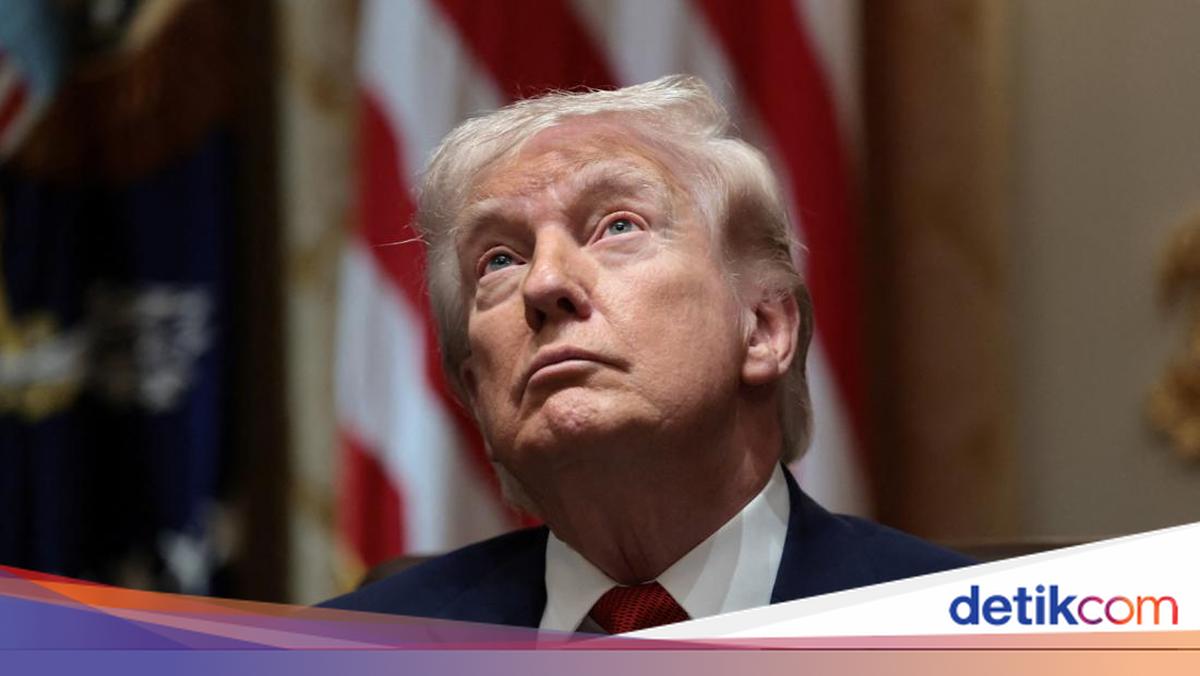
US President Donald Trump has stated that Washington is negotiating with Iran’s Parliament Speaker Mohammad Bagher Qalibaf. Trump said that the US would know within a week whether the two sides can work together.
“We will find out,” Trump told the New York Post, as reported by Anadolu Agency on Tuesday (31/3/2026). “I will tell you in about a week.”
The statement follows Trump’s earlier comments that the US is speaking with “important people” in Iran, but he could not reveal who, adding: “I don’t want them to be killed.” The Trump administration is also quietly considering Qalibaf as a potential partner and even future leader of Iran, Politico reported last week.
Iran has stated that it has not held direct negotiations with the US, with recent contacts limited to messages delivered through intermediaries.
Trump described what he called a fundamental shift in Iran’s leadership, with previous leaders replaced by figures he believes are easier to work with.
“There has been a total regime change because the past regimes have vanished and we are dealing with a new group of people,” he said, adding that they are “far more reasonable.”
Regarding Iran’s new Supreme Leader, Mojtaba Khamenei, son of the late Ayatollah Ali Khamenei, Trump said the leader has not been seen in public and is believed to be seriously injured.
When asked if Mojtaba is still alive, Trump said Washington believes he may still be alive, but in “very bad condition.”
Commenting on Iran’s attacks on regional infrastructure, including strikes in Kuwait and Haifa in Israel, Trump said the US response would soon be evident.
Regional tensions continue to rise since Israel and the US launched attacks on Iran on 28 February, which have killed more than 1,340 people to date, including Ali Khamenei.
Iran retaliated with drone and missile strikes targeting Israel, Jordan, Iraq, and Gulf countries hosting US military assets, causing casualties and infrastructure damage as well as disrupting global markets and aviation.