
Trump Claims US in Dialogue with Top Iranian Figure but Not Mojtaba Khamenei
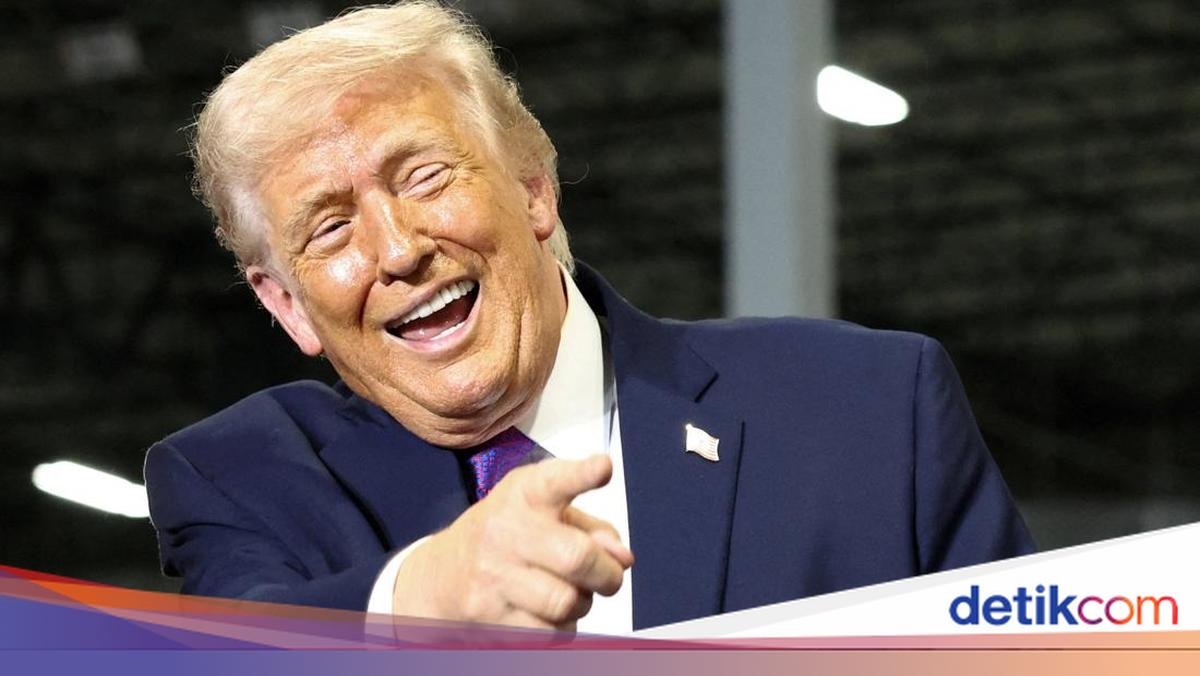
US President Donald Trump stated that his country is speaking with an important figure in the Iranian regime to try to end the war. However, Trump claimed he is not talking with Iran’s new supreme leader, Ayatollah Mojtaba Khamenei.
According to CNN, on Tuesday (24/3/2026), when asked about who the US is talking to in Iran, Trump said, “A key figure. Don’t forget: We have eliminated the leadership in phase one, phase two, and most of phase three. But we are dealing with a man whom I believe is the most respected and the leader, you know, it’s a bit difficult, they have eliminated–we have eliminated everyone.”
Trump said that his special envoy Steve Witkoff and Jared Kushner are involved in the talks, but did not mention who they are communicating with on the Iranian side.
When pressed by reporters about whether the US is talking to Khamenei, Trump said, “No, not the Supreme Leader.”
“We haven’t heard from his son. Occasionally you will see statements made–but we don’t know if he is still alive,” Trump said.
“I do not consider him a true leader,” Trump added.
The Iranian side stated that there are no negotiations with the United States. Iran rejected reports of talks amid the ongoing Middle East conflict.
According to Anadolu Agency, on Tuesday (24/3), speaking to the official IRNA news agency, Foreign Ministry spokesperson Esmaeil Baghaei said that in recent days, messages have been conveyed through “friendly countries” indicating the US request for negotiations to end the war, adding that Iran responded in line with its “principled position.”
Baghaei said Iran’s response included warnings about “serious consequences” from any attack on the country’s vital infrastructure, emphasising that any action targeting Iran’s energy facilities would be met with a “firm, immediate, and effective” response by its armed forces.
Baghaei also denied that any negotiations or dialogue with the US have taken place in the last 24 days since the outbreak of what he called the “imposed war.”