
Trump Cancels New Strike on Iran After Gulf States' Persuasion
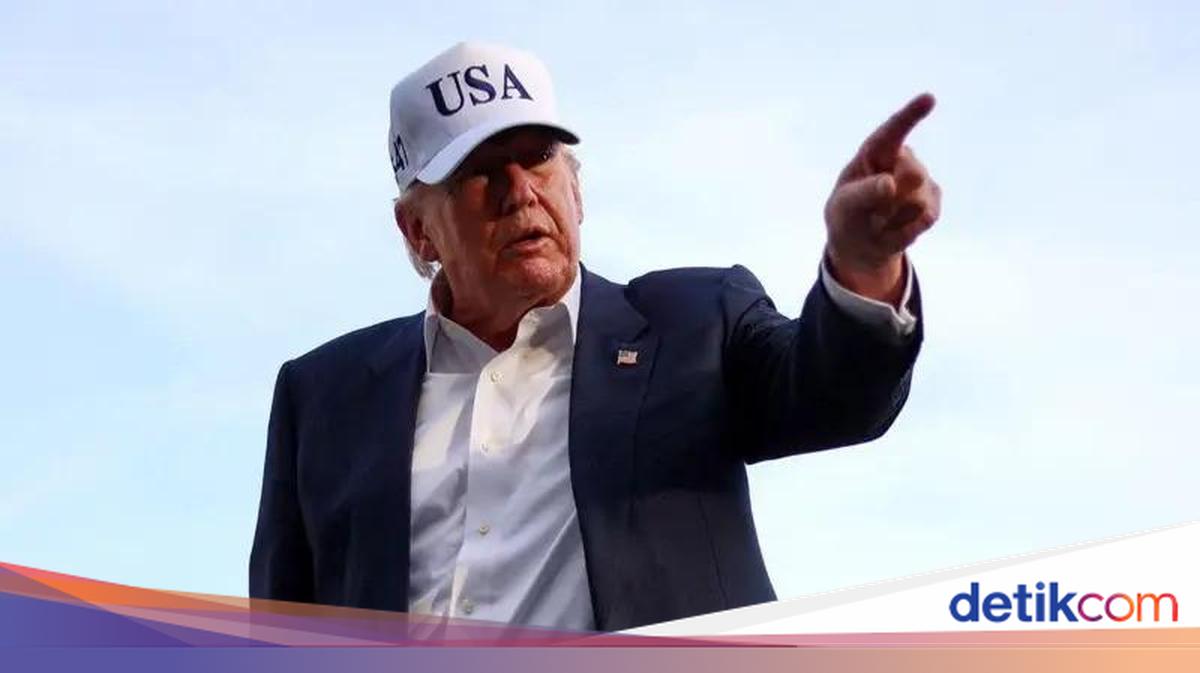
United States President Donald Trump has claimed to have cancelled a planned attack on Iran on Tuesday (19 May) at the request of Gulf states, as serious negotiations are reportedly ongoing.
In a post on Truth Social, he said he had been persuaded by the leaders of Qatar, Saudi Arabia, and the United Arab Emirates not to launch a fresh strike on Iran.
According to Trump, he had been told that a very acceptable deal for the US would be reached. He added that THERE ARE NO NUCLEAR WEAPONS FOR IRAN!
However, he warned that the US would be ready to “continue with a full-scale attack on Iran, in an instant” if no acceptable deal could be reached.
This is not the first time Trump has threatened Iran; for example in March he threatened to destroy Iran’s power plants if Tehran did not open the Strait of Hormuz. But those threats did not materialise and led to a ceasefire.
A senior Iranian military commander warned the US not to make “another strategic mistake and miscalculation”.
Trump’s latest announcement about Iran comes as poll numbers show his popularity fading and as the war against Iran loses domestic support.
What is the latest poll result?
Around 64% of respondents believe going to war against Iran is the wrong decision, according to a New York Times/Siena poll published on Monday (18 May). The survey also found only 37% of respondents approved of Trump’s performance as president.
Israeli and US forces began large-scale air strikes against Iran on 28 February. Tehran retaliated by launching drones and missiles at Israel and US targets in Gulf countries.
Why are Gulf states persuading Trump?
The main factor is Arab Gulf states’ concerns about potential Iranian retaliation if the US resumes bombardment.
Iran is known to still possess many drones and missiles that could be used to continue attacks on neighbouring states, their airports, petrochemical facilities, and even desalination plants that supply drinking water as temperatures rise in the Gulf.
The blockade of the Hormuz Strait, which Iran sees as retaliation for US and Israeli attacks, has helped drive global oil prices higher.
In turn, the US has imposed a blockade on Iranian ports to pressure Tehran into agreeing to its terms.
What is Iran’s reaction?
Tasnim News Agency in Iran published comments from Supreme Leader Ali Khamenei, warning that a new front will be opened in a place not controlled by the enemy and highly vulnerable.
Tasnim appears to be quoting Khamenei from 12 March. Some Iranian media have republished his published message.
On Monday (18 May), the Iranian government said it had responded to the latest US proposal and that talks with Washington continued via Pakistan as mediator. Iranian media had previously reported that the US had failed to offer concrete concessions to Tehran.
According to Tasnim, Iran’s demands include stopping the war on all fronts, referring to ongoing Israeli attacks against Hizbollah supported by Iran in Lebanon, ending the US blockade of Iran’s ports, and guarantees that there will be no further attacks on Iran.
Fars News Agency reported that Washington had set five conditions in response to Tehran’s proposal. The five conditions reportedly included a demand that Iran maintain only one operating nuclear facility and move highly enriched uranium stockpiles to the US.
On Friday (15 May), Trump signalled willingness to accept a 20-year suspension of Iran’s nuclear programme, which is the major sticking point between the two countries.
The US and European allies have accused Iran of seeking to develop nuclear weapons by enriching uranium. Tehran has repeatedly said its nuclear programme is for peaceful purposes.
Also watch video ‘Xi Jinping’s chair higher than Trump’s’