
Trump Arrives in Beijing on Wednesday for Two-Day Summit with Xi Jinping
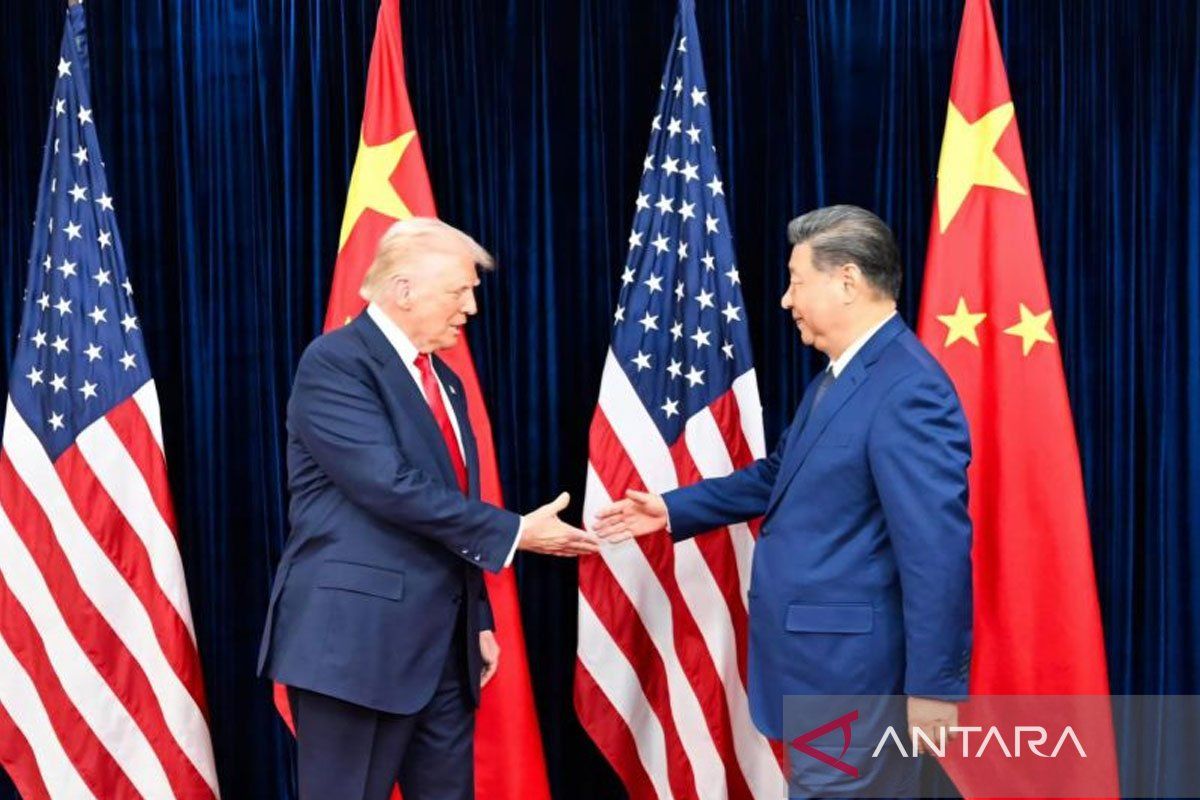
US President Donald Trump will arrive in Beijing on Wednesday evening for a two-day meeting with Chinese President Xi Jinping. The White House stated on Sunday (10 May) that the main agenda of the two leaders’ meeting covers economic and security issues with the principle of “reciprocity and fairness” to improve the welfare of the American people. After weeks of preparation, the Trump administration has for the first time detailed the schedule and main topics to be discussed, ranging from trade and artificial intelligence to Iran and Taiwan. A senior US official emphasised that there is no change in Washington’s policy towards Taiwan, the self-governing island claimed by China as its territory, and no anticipated changes in the future. That statement comes amid speculation that Xi will seek to shift the US position on Taiwan, including urging Trump to halt arms sales to Taipei. The official emphasised that arms sales to Taiwan approved in the first year of Trump’s second term exceed those throughout his predecessor Joe Biden’s entire administration. Trump is said to have spoken with Xi several times regarding that conflict and will continue discussions on US efforts to end the hostilities. The White House said the US and China are targeting additional commercial agreements in the aeronautics, agriculture, and energy sectors. The summit will open on Thursday morning with a welcoming ceremony, followed by a joint tour of the Temple of Heaven and a state banquet. On Friday, Trump is scheduled to have tea and a working lunch with Xi before leaving Beijing. The Trump administration also seeks to accelerate discussions on establishing a “Trade Council” and “Investment Council” between the world’s two largest economies, as well as open new communication channels on artificial intelligence security. As part of the final preparations, US Treasury Secretary Scott Bessent announced he will meet Chinese Vice Premier He Lifeng in Seoul on Wednesday. The two have led bilateral negotiations since last year.