
Trump Approves Ceasefire with Iran, Global Oil Prices Plummet
The government faces a policy dilemma with no truly comfortable options.
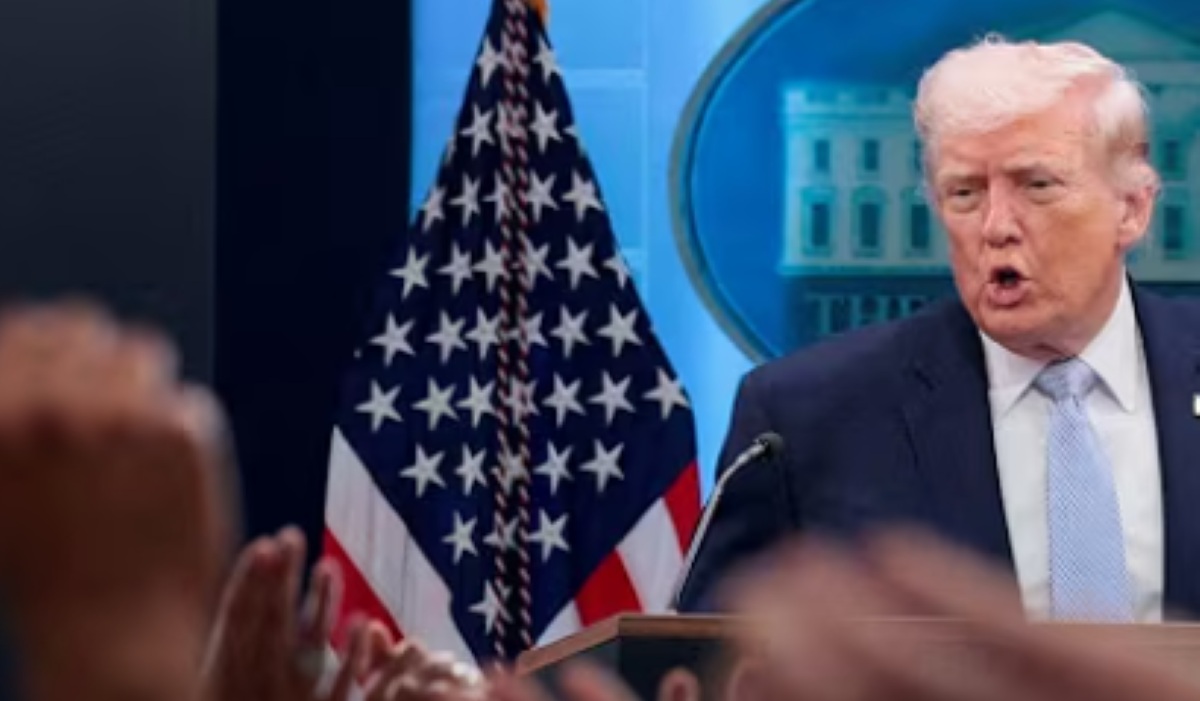
US President Donald Trump stated on Tuesday (7 April) that he has approved a bilateral ceasefire with Iran. This announcement came less than two hours before the deadline he had set for Iran to reach an agreement with the US or face massive attacks on its power plants.
“I agree to suspend bombing and attacks on Iran for two weeks,” the president wrote on Truth Social.
He said the ceasefire he approved was at the request of Pakistan, “contingent on the Islamic Republic of Iran’s agreement for the FULL, IMMEDIATE, and SAFE OPENING of the Strait of Hormuz.”
Iranian Foreign Minister Seyed Abbas Araghchi confirmed that Iran agrees to halt defensive operations, likely referring to drone and missile attacks on US allies in the region, if the US stops attacking Iran. Araghchi also said Iran’s armed forces would coordinate to allow safe passage through the Strait of Hormuz.
Israel has also approved the ceasefire proposal, a White House official told CBS News. The United States and Israel launched a joint war against Iran, striking thousands of targets in the country on 28 February. Iran retaliated with attacks on Israel and several US allies in the Gulf region.
Oil futures prices plunged following the ceasefire news. The US oil benchmark, West Texas Intermediate, fell more than 13% to below US$92 per barrel within an hour of Trump’s announcement.
Oil prices had skyrocketed since the war began, reaching unprecedented highs in recent years, as shipments through the Strait of Hormuz—a narrow route that typically carries one-fifth of the world’s oil—were largely disrupted. Tuesday’s prices remained above pre-war levels.
The ceasefire follows intense diplomatic efforts by the US, Iran, and third-party mediators like Pakistan to avoid major escalation in the nearly six-week war. Over the weekend, President Trump demanded that Iran reach an acceptable agreement and reopen the Strait of Hormuz by Tuesday at 20:00 local time. If Iran did not comply, the president vowed to destroy the country’s power plants and bridges.
His threats had grown sharper in recent days. Earlier on Tuesday, he wrote on Truth Social, “The entire civilisation will die tonight and can never be revived.”
The US and Iran have not yet reached a formal long-term agreement. However, in his message announcing the ceasefire, President Trump wrote that the US is very far along in reaching a definitive agreement on long-term peace with Iran.
The president said Iran sent a 10-point peace plan to the US, which serves as a workable basis for negotiation. The day before, Iran had rejected a 15-point proposal offered by American negotiators.
“Almost all past points of contention have been agreed between the United States and Iran, but the two-week period will allow that agreement to be finalised and implemented,” Trump wrote.
Iran’s Supreme National Security Council said negotiations between the two sides would begin in Pakistan’s capital, Islamabad, on Friday (10 April) and last for two weeks, with full distrust towards the US side. Iran stated that if no agreement is reached, “We will continue to fight side by side on the battlefield until all the demands of the Iranian people are met.”
Significant differences between the two sides appear to remain. In its statement, Iran said the 10-point plan calls for the US to withdraw troops from all bases in the region, provide full compensation to Iran, lift all sanctions, and give control of the Strait of Hormuz to Iran’s armed forces. The proposal also calls for an end to hostilities against the Axis of Resistance, Iran’s term for regional proxy groups like Hamas, Hezbollah, and the Houthis.
It is unclear whether Trump will accept many of these demands, which would represent a significant shift in US strategy in the Middle East. The president appeared to reject the idea of allowing Iran to control the Strait of Hormuz and collect tolls from ships passing through it on Monday. He told reporters that, if anything, the US should collect those tolls.
What is also unclear is the status of talks regarding Iran’s nuclear programme. When Trump launched the attack on Iran at the end of February, he said one of his main goals was to ensure that Iran could never build nuclear weapons. The president has publicly called for Iran to stop all uranium enrichment.
Iran insists that its nuclear programme is entirely peaceful. US intelligence assessed last spring that Iran was not in the process of building nuclear weapons.
However, the country said it would not stop enriching uranium, and stocks of highly enriched material—just one step away from weapons-grade uranium—remain in Iran, much of it buried under rubble from previous US attacks in June. (CBS/I-2)