
Trump Administration Builds Special Quarantine Facility in Kenya to Prevent Ebola Entry to US
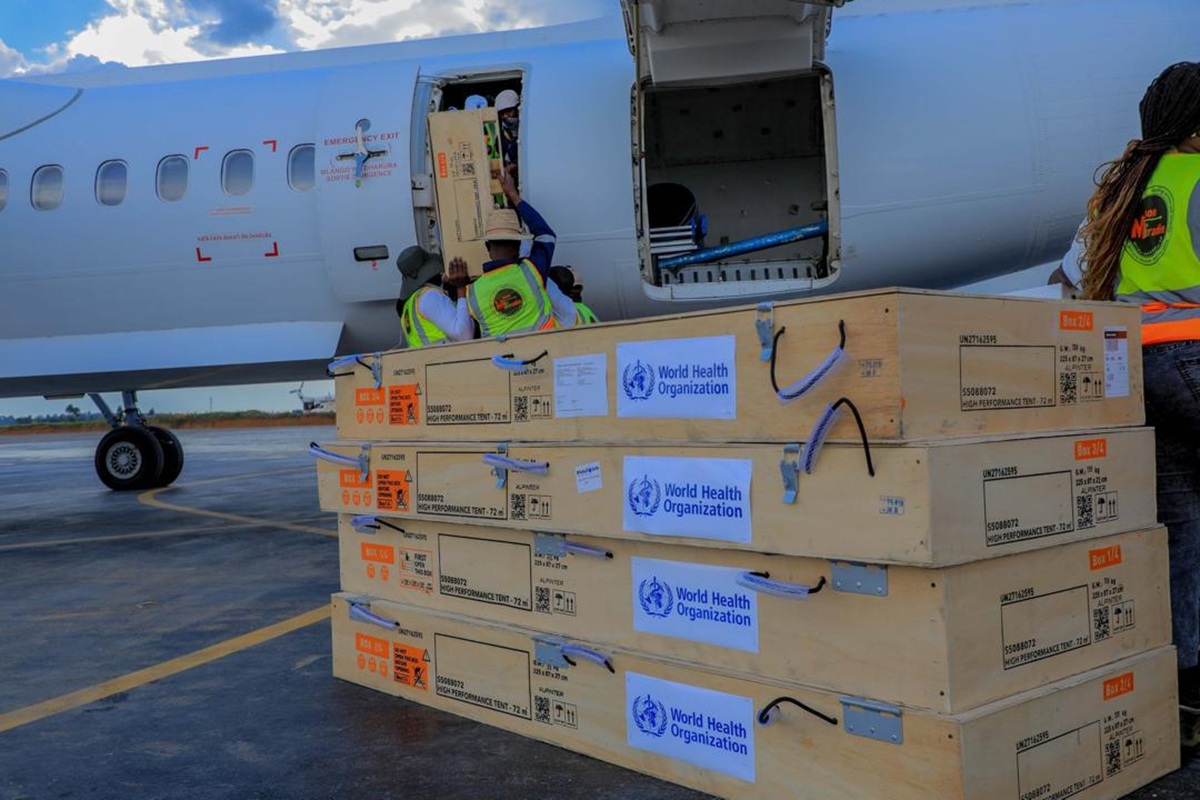
Amid worsening Ebola outbreaks in the Democratic Republic of Congo (DRC), the Trump administration has focused on preventing the virus from entering the United States, including tightened airport screenings and plans to build a controversial medical facility in Africa. “We cannot and will not allow a single case of Ebola to enter the United States,” stated US Secretary of State Marco Rubio during a cabinet meeting on Wednesday. The facility is said to handle the full spectrum of Ebola virus disease, including critical care needs. The project is being developed through collaboration between the US Department of State, the Department of Health and Human Services, and the Pentagon. The decision to relocate quarantine facilities overseas has drawn sharp criticism from health experts, who note that the US already possesses a robust network of specialised hospitals capable of treating Ebola. Jeremy Konyndyk, former USAID director during the 2014-2016 West Africa Ebola outbreak, expressed concern over the government’s lack of trust in domestic infrastructure. “One of the most instinctively offensive aspects of the current administration’s stance is that they are essentially saying, if you are an American infected with Ebola, we do not support you; you are not welcome in your own country,” Konyndyk told CNN. Similar condemnation came from Dr. Krutika Kuppalli, an infectious disease expert who called the plan “crazy” and warned of “terrible consequences.” Lawrence Gostin of the World Health Organization (WHO) described the proposal as “reckless, unethical and potentially illegal.” Local Kenyans have also raised concerns about why the facility is exclusively for Americans. In response, Kenya’s Ministry of Health stated that all international cooperation must comply with national laws and prioritise the safety of Kenyan citizens and frontline medical staff. Domestically, the US has tightened screening by adding New York’s John F. Kennedy International Airport to the list of designated health inspection sites, following Atlanta, Houston, and Dulles airports. The US Centers for Disease Control and Prevention (CDC) has implemented Title 42 for at least 30 days, a public health law restricting entry for non-US citizens who have recently been in DRC, Uganda, or South Sudan within the past 21 days. According to DRC government data, there are currently 1,077 suspected Ebola cases in the country with 238 suspected deaths, of which 121 cases and 17 deaths have been confirmed. Neighbouring Uganda has reported seven cases linked to the outbreak with one fatality. In response to the escalating crisis, the Ugandan government has officially announced the temporary closure of its land border with DRC. “Temporarily… with immediate effect,” stated the Ugandan government regarding the border closure. Only official Ebola response teams, humanitarian operations, food logistics, and essential security personnel are permitted to cross, subject to strict health checks and mandatory 21-day isolation. WHO reported 101 confirmed Ebola cases in the DRC, with Africa CDC warning 10 neighbouring countries at high risk of regional spread. The World Food Programme (WFP) warned that food insecurity and political instability in Congo are exacerbating Ebola transmission risks, with 26.5 million people facing acute food shortages.