
Trump Abruptly Cancels Signing AI Regulation, Worried It Could Hinder US Dominance
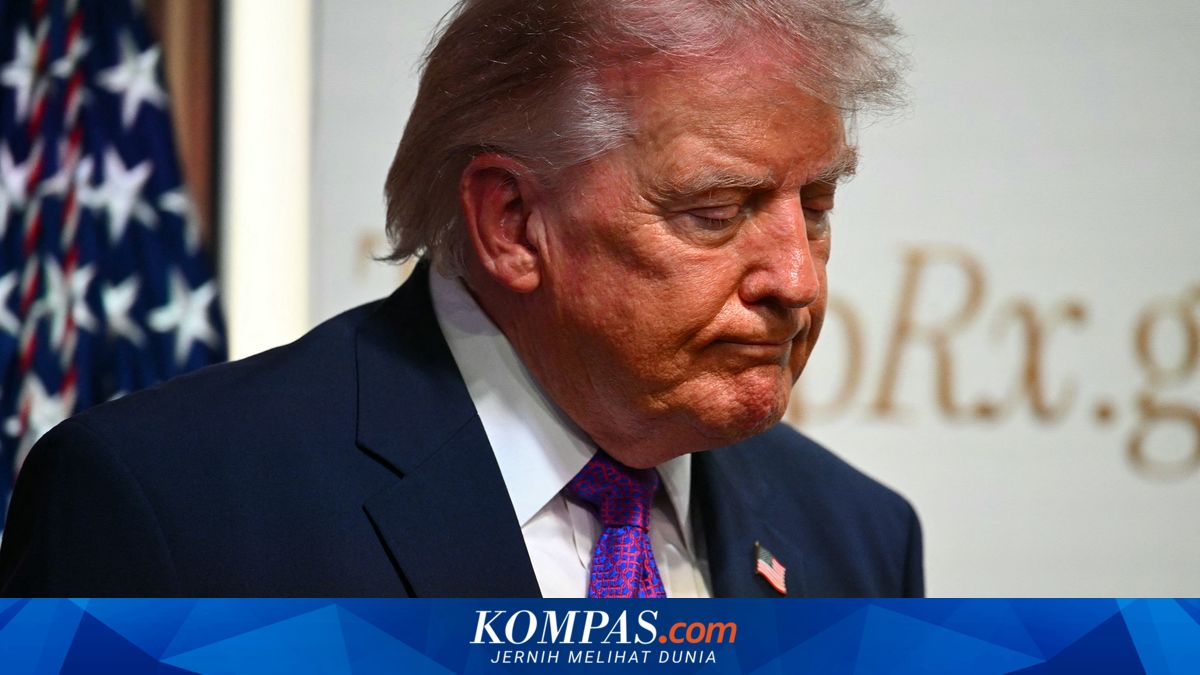
President of the United States Donald Trump cancelled plans to sign a new executive order on artificial intelligence just hours before a formal event at the White House on Thursday (22 May 2026).
Trump said he was concerned the rules would slow the US’s dominance in the global AI technology race. “We are leading China, we are leading everyone, and I do not want to do anything that would undermine that edge,” he told reporters.
The executive order was previously designed to establish a government framework to evaluate national security risks posed by the most advanced AI systems before they are released to the public.
According to sources familiar with White House discussions, the policy was drafted as a voluntary partnership between the government and US technology firms such as OpenAI, Anthropic, and Google.
The US government believes the latest AI models have increasingly strong capabilities to identify cybersecurity vulnerabilities across software systems.
US Treasury Secretary Scott Bessent even held an urgent meeting with Wall Street CEOs in April alongside Federal Reserve Chair Jerome Powell. The meeting discussed the cybersecurity risks posed by Anthropic’s latest AI model named Claude Mythos.
“The new Anthropic model is very powerful,” Bessent said at the CNBC Invest in America forum in Washington.
“Some banks are doing a better job at cybersecurity than others, and we want to have the ability to bring them together and discuss best practices and where they should go,” he added.
These concerns have led several Republican allies to push for limited restrictions, including granting access to AI only to certain cybersecurity experts.
He even pledged to roll back various AI safety regulations introduced by the Biden administration.
The White House sees AI as a new engine of economic growth as well as a strategic tool to outpace China.
Last week, Trump also took a number of tech CEOs on a trip to China to meet President Xi Jinping.
But the ambition is increasingly colliding with public unease.
Americans are increasingly worried that AI could disrupt jobs, raise data centre electricity consumption, and increase digital security risks.
The Republican Party is now split between those who want to accelerate AI development and those who have begun to question its impacts.
“That could impose very large costs on innovation and the speed of development,” said Professor Serena Booth, Computer Science at Brown University.
“I think there is real risk here and I see both sides,” she added.