
Tropical Plants Now Flowering "Erratically" Due to Climate Change
Tropical regions have long been considered relatively “safe” zones from the extreme effects of seasonal climate change. However, an in-depth analysis of botanical records spanning more than 200 years has uncovered a concerning reality: tropical plants are now flowering far earlier than their natural schedules.
Research led by Skylar Graves and Erin Manzitto-Tripp from the University of Colorado Boulder challenges the long-held assumption that plants near the equator are insensitive to climate change. In fact, some species are now experiencing flowering time shifts that measure in months rather than days.
The researchers compiled data from more than 8,000 flower specimens preserved in museums and herbaria from 1794 to 2024. Through these historical records, a consistent pattern emerged: average flowering times are shifting approximately two days per decade.
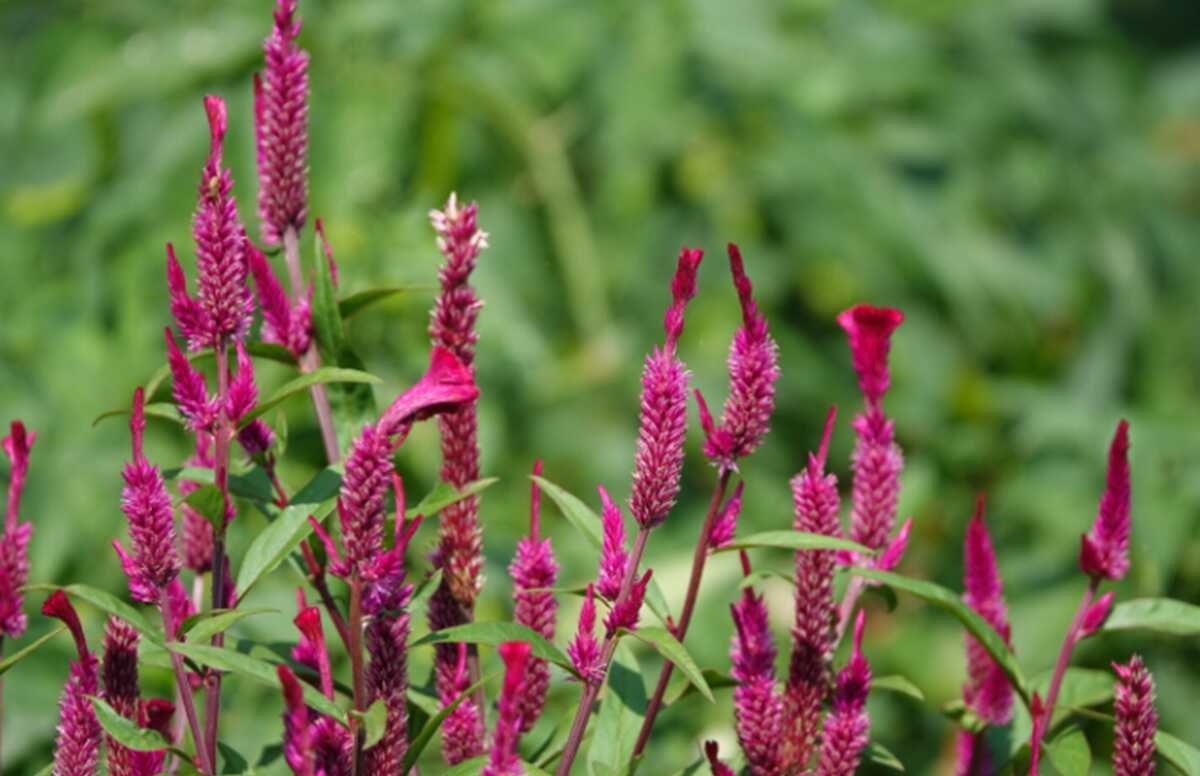
Although the average figure appears modest, the accumulation over one or two centuries results in dramatic changes. For example, the Ghanaian rattlepod shrub now flowers 17 days earlier compared to the 1950s. More extremely, the Brazilian amaranth tree flowers approximately 80 days later than it did 70 years ago.
In temperate regions, seasonal temperature changes are the primary trigger for plant flowering. Because temperatures in tropical regions tend to remain stable throughout the year, many scientists previously hypothesised that plants there would not be significantly affected by global warming.
This study refutes that theory. The scale of change discovered in tropical regions proves equivalent to what occurs in polar and temperate zones, indicating that tropical species are equally responsive to shifts in climate patterns.
Flowering time is the “trigger” for an entire series of ecosystem interactions. Pollinators such as bees and birds rely on predictable flower schedules. Similarly, fruit-eating animals that play a role in seed dispersal depend on these timing patterns.
“If plants shift their flowering times but animals dependent upon them do not shift at the same pace, then damage to long-established relationships will occur,” the research flags. Consider a plant that can only be pollinated by one species of insect. If flowers bloom outside the window when that insect appears, pollination will fail, seed production will decline, and animals that eat the fruit will lose their food source.
One noteworthy aspect of this study is the utilisation of herbarium collections as a primary data source. Dried flower specimens preserved since the 1820s are not merely antiques but rather accurate records of what bloomed, where, and when.
“This work highlights that herbarium specimens are far more than taxonomic tools,” said Graves. “They are massive data sources with geographical and temporal scales far exceeding what a researcher could achieve in a lifetime.”
The findings serve as a warning for global conservation, given that tropical regions harbour the majority of the planet’s biodiversity. When flowering schedules shift, the impacts will resonate throughout the entire food web, from insect populations to bird migration patterns.