
Trendy Beverages Mostly High in Sugar, Implementation of Nutri Level Deemed Challenging
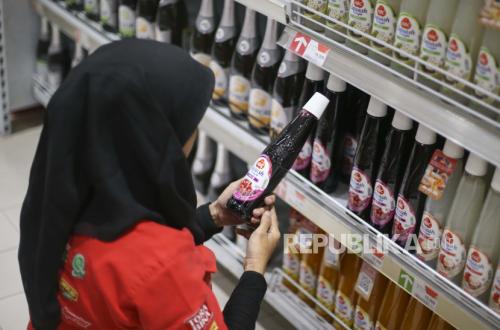
The implementation of the Nutri Level nutrition labelling on ready-to-eat foods, particularly sweetened beverages, is seen as potentially facing various challenges if not accompanied by strong education and supporting strategies. This was stated by IPB University food technology expert, Prof Nuri Andarwulan. In her research, Prof Nuri found that the majority of ready-to-drink beverages on the market have high sugar content. Out of 100 samples of ready-to-drink beverages from restaurants and cafes in the Jakarta and Bogor areas (ranging from coffee, tea, bubble tea, to chocolate drinks), only three beverages had low sugar levels and met the criteria for categories A to B. The remaining 97 beverages had medium to very high sugar content, equivalent to categories C and D or exceeding the recommended daily sugar intake per serving. These findings indicate that if Nutri Level is widely applied, the majority of products are likely to receive C and D labels. “If this policy is applied not only to packaged drinks but also to products in cafes and restaurants, then most products are likely to receive C and D labels (yellow and red). This will certainly have significant consequences for business actors,” said Prof Nuri in a written statement, quoted on Friday (24/4/2026). She assessed that the industry might resist the policy if deemed unrealistic. Therefore, the government is advised to involve business actors in product reformulation programmes to gradually reduce sugar levels. “Gradual reformulation to reduce sugar levels in beverages needs to be carried out and involve business actors,” she said. Another challenge is the potential use of food additives as alternatives. “The use of artificial sweeteners could be a shortcut, although it does not necessarily result in the best category in the Nutri Level system,” she added. From a regulatory perspective, Prof Nuri emphasised the importance of harmonisation between institutions. Currently, the supervision of packaged drinks falls under BPOM, while products in cafes and restaurants are under the authority of the Ministry of Health. Lack of synchronisation in regulations is seen as potentially creating gaps in policy implementation. Meanwhile, the challenge from the consumer side lies in understanding and acceptance of the label. If most products are labelled C and D, consumers may potentially ignore the information or experience confusion. “Without massive education, the label is likely to have no real impact,” she said. She affirmed that labelling must go hand in hand with other strategies such as consumer education, food reformulation, nutrition intervention programmes, and fiscal policies. Therefore, implementation must be carried out gradually, supported by incentives for industry, and not ignoring existing scientific evidence. “Because ultimately, the goal of this policy is public health,” she said.