
Trend of Cheap Chinese Phones Changing, Signs Visible in Indonesia
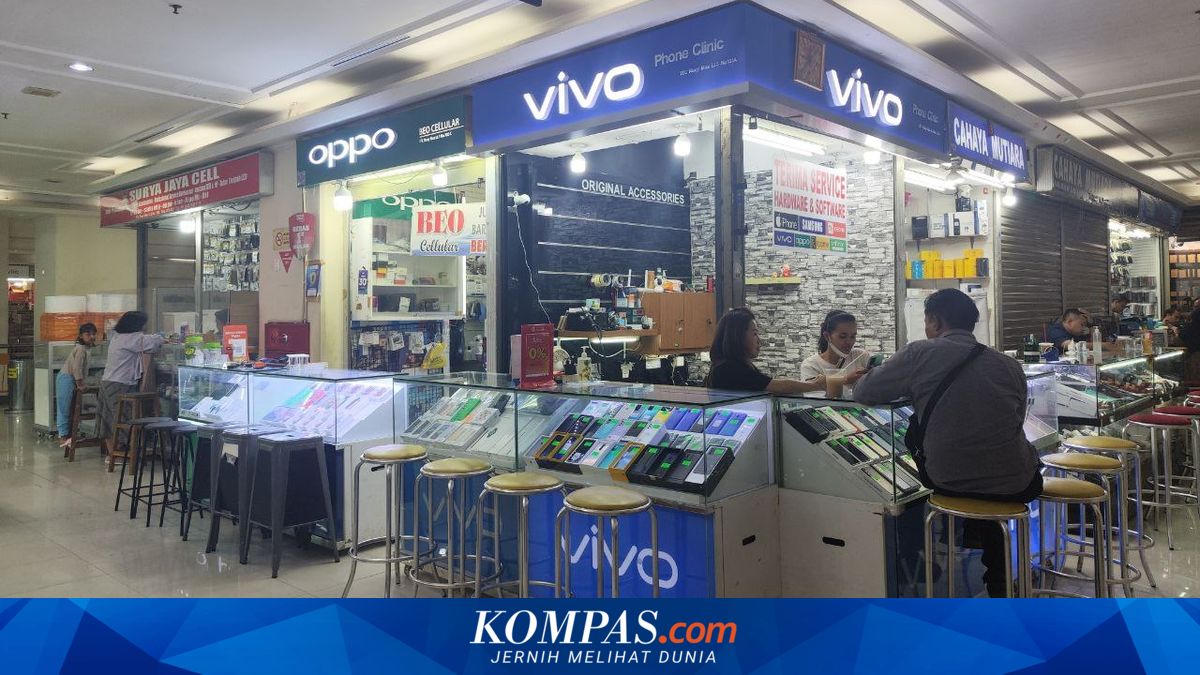
For several years, many Chinese smartphone vendors have flooded the global market with products promising “high specs at low prices”. However, that era is predicted to end.
This business model, reliant on thin margins, now faces immense pressure. One key factor is the massive development of AI, which has triggered a global memory crisis in the industry.
This situation is exacerbated by geopolitical tensions disrupting the global semiconductor supply chain.
If this trend continues, analysts predict the smartphone industry will enter a bleak new phase. Budget phones will no longer be pocket-friendly, and they will gradually become rarer in the market.
In response to the high demand, giant memory producers like Samsung Electronics, SK Hynix, and Micron Technology have swiftly changed course.
They are redirecting most of their production capacity from conventional memory (for phones and PCs) to AI server-specific memory, which is more profitable.
The impact is dire: supplies of memory for consumer devices like smartphones and laptops have become extremely scarce.
Research firm TrendForce notes that DRAM (main memory/RAM) prices skyrocketed by 90-95 per cent in just one quarter. Meanwhile, NAND flash (internal storage memory) prices jumped 55-60 per cent in the same period.
The situation is even more dire for small manufacturers, as industry reports indicate DRAM prices can now fluctuate within hours.
This occurs because small manufacturers generally lack long-term fixed-price supply contracts, unlike Apple or Samsung.
Hundreds of thousands of mid-to-low-scale phone manufacturers now have to fiercely compete for the scraps of exorbitantly priced memory chips.
The Dutch government has forcibly taken control of Nexperia, a key automotive chip component supplier, on national security grounds, following concerns over its ownership by Chinese firm Wingtech, as summarised from Gizmo China.
Such political conflicts are triggering export restrictions and further fragmenting the previously well-integrated global supply chain.