
Treason and the Maturity of Democracy
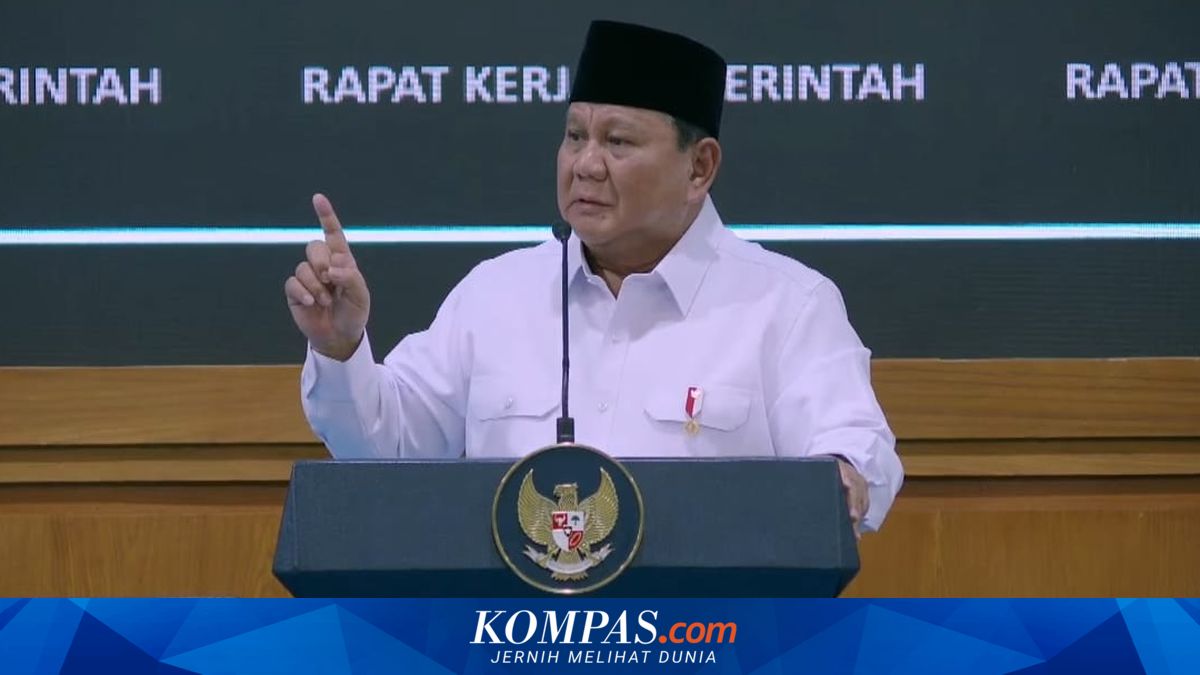
In recent days, the polemic regarding the term “treason” has re-emerged in the public sphere following Professor Saiful Mujani’s statement at a halal bihalal forum, which some parties interpreted as an invitation to “overthrow President Prabowo”. Of course, the reactions that have arisen are varied, ranging from criticism to concerns as if the nation is once again facing a serious threat to state stability. However, before drawing hasty conclusions, it is important to place this issue within the framework of law, democratic theory, and political communication ethics so that the assessment does not go astray. If we use the perspective of criminal law, the concept of treason has relatively firm and clear boundaries. Moeljatno, one of Indonesia’s criminal law experts, emphasises that treason is not sufficient with mere intent, but must be accompanied by “the beginning of execution” that is real (begin van uitvoering). This means that statements or opinions, no matter how harsh, do not automatically qualify as treason without concrete actions directed towards overthrowing power unconstitutionally through violence. Thus, verbal expressions in the public sphere are essentially within the realm of freedom of opinion, as guaranteed by Article 28E paragraph (3) of the 1945 Constitution and other legislation. Based on the framework of democratic theory, freedom of opinion is the main foundation. John Stuart Mill in On Liberty reminds us that silencing opinions, even those that are wrong, is tantamount to robbing society of the opportunity to discover the truth. Mill wrote that “the peculiar evil of silencing the expression of an opinion is that it robs the human race.” Of course, it robs human rights. Furthermore, Jürgen Habermas through the concept of the public sphere emphasises the importance of rational discourse as a means of forming public opinion in democracy. In a healthy public sphere, various views, including those critical of power, must be given space to be tested argumentatively, not silenced through stigmatisation. Especially not confronted repressively by exploiting law enforcement apparatus. Nevertheless, freedom never stands alone without responsibility. It is in this realm that the relevance of political communication ethics becomes important. Hannah Arendt reminds us that in the political world, words are not merely tools of communication, but also actions (speech as action) that have real consequences in communal life. Expressions such as “overthrowing the president”, although they can be interpreted within a democratic framework, for example through electoral mechanisms or public pressure, still have high potential for ambiguity.