
Traveller-Friendly Mosques Programme Hoped to Become Sustainable Service Model
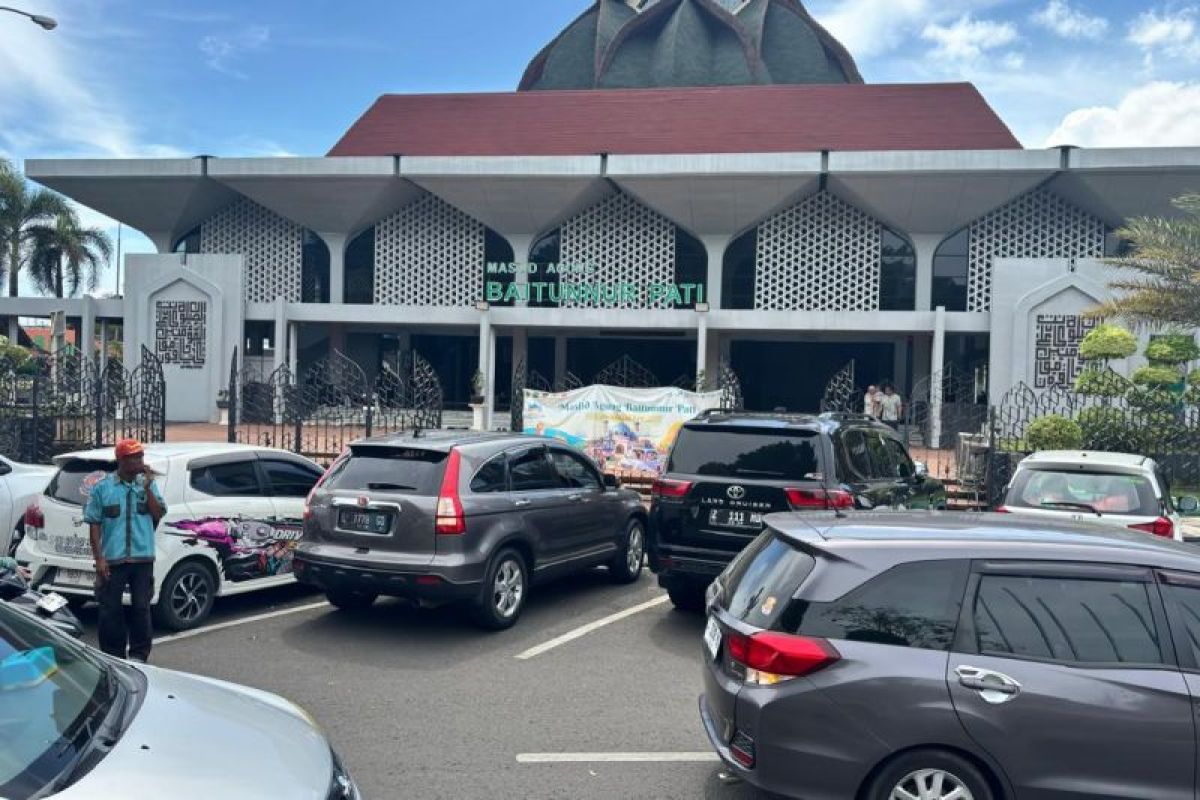
Jakarta (ANTARA) - The Ministry of Religious Affairs (Kemenag) hopes that the Traveller-Friendly Mosques Programme can be continuously improved and serve as a model for sustainable services based on places of worship within communities.
“We hope this positive trend can be maintained and enhanced in the coming years. The Traveller-Friendly Mosques Programme is expected not only to be present during the homecoming season but to become a model for sustainable services based on places of worship in communities,” said Arsad Hidayat, Director of Islamic Affairs and Sharia Development at Kemenag, in Jakarta on Tuesday.
Arsad expressed this hope given the positive response from the public, particularly travellers, to the annual programme. Travellers now have more options for resting during their journeys.
The Ministry of Religious Affairs recorded that the number of travellers stopping at mosques reached 3,592,348 people, a significant increase compared to 1,617,641 in 2025.
This figure does not include travellers utilising viharas, churches, and places of worship of various religions that also provided traveller-friendly services during the Eid holiday.
According to Arsad, the Ministry of Religious Affairs prepared 6,859 mosques spread across strategic locations, especially on main routes such as the North Coast Road, Trans-Java, and Trans-Sumatra, for Eid 2026.
All these mosques operated 24 hours from H-9 to H+7 of Eid al-Fitr. Meanwhile, in 2025, the programme involved 8,710 mosques with around 1.6 million visitors.
“The sharp increase in utilisation indicates that the services provided are increasingly on target and needed by the community,” he said.
Arsad explained that the majority of travellers utilising mosque services came from private vehicle users, particularly motorcycles and cars. This aligns with the character of homecoming traffic in Indonesia, which is dominated by long-distance land travel.
He also revealed the high level of public satisfaction with the services provided. Based on evaluations, nearly all respondents stated that main facilities such as prayer spaces, cleanliness, and security were well fulfilled.
“Mosques are not only places of worship but also spaces for serving the congregation. Here, values of humanity, care, and togetherness are present in a real way,” said Arsad.
He appreciated the involvement of various parties in the success of this programme, from mosque administrators, religious instructors, KUA, to local communities. This collaboration is key to delivering optimal services.