
Transportation Safety Threatened by Budget Efficiency Measures
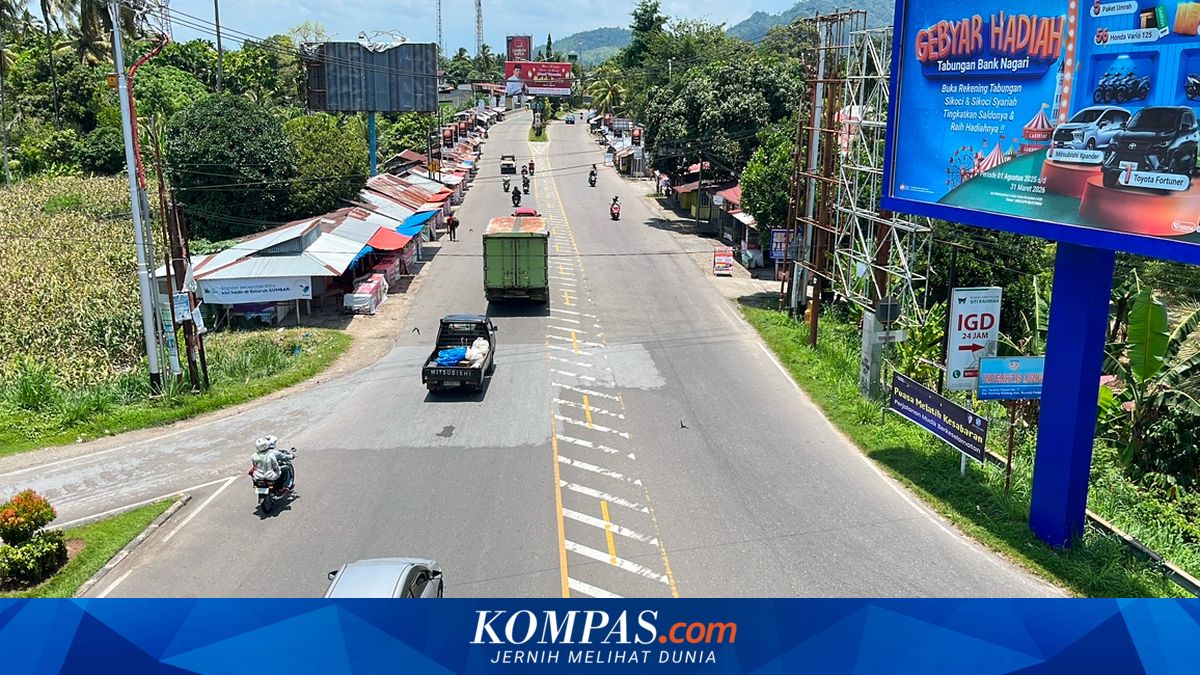
JAKARTA - Budget efficiency measures prompted by geopolitical turmoil from the Middle East conflict are deemed to be threatening public transportation safety in Indonesia, alongside cuts to allocations in several ministries, including the transport sector.
Djoko Setijowarno, an academic from the Civil Engineering Programme at Unika Soegijapranata and Advisor to the Indonesian Transportation Society (MTI), assesses that the government’s budget efficiency policy has exceeded limits and has the potential to lower safety standards.
Djoko explains that fiscal pressures from disrupted global oil supplies have forced the government to adjust budgets, including in the transport sector.
“These cuts are no longer mere paper efficiencies but are beginning to erode public transportation safety standards,” said Djoko, in a release received by Kompas.com on Friday (27/3/2026).
Without adequate funding support, ramp check activities or fitness inspections for buses and trucks cannot be conducted routinely.
This situation is exacerbated by the neglect of safety facilities, from the installation of signs and reflective road markings to the procurement of safety barriers (guardrails) and street lighting.
Dark roads without clear signs will turn into deadly blind spots for every driver.
Safety budgets that usually support the operations of weighbridges and technical supervision are now reduced, making enforcement against overloaded and oversized trucks (Over Dimension Over Loading - ODOL) suboptimal.
Allowing ODOL trucks is not just an issue of load weight but a threat to road infrastructure resilience.
Roads become more prone to potholes and undulations, which ultimately become the main factors causing fatal accidents for motorcyclists.
It should be remembered that transportation safety heavily relies on the human factor. When education and training programmes (diklat) as well as certifications for public and goods transport drivers are eliminated, the frontline guardians of road safety are lost.
Drivers not equipped with understanding of accident mitigation or defensive driving techniques will tend to drive based on instinct alone.
The government may feel it has achieved ‘savings’ by cutting safety budgets, but in reality, this policy triggers swelling costs on other sides.
The total cost of post-accident handling, from death benefits and hospital treatment expenses to repairs of damaged infrastructure, turns out to be far more expensive than investments in prevention. Even more concerning, accidents are dominated by productive-age citizens (17-45 years) at 58 per cent.
Loss of life in this age range is not just a statistic but the loss of the economic driving force for families and the nation.