
Transport Minister: Passenger vehicles prioritised at Gilimanuk crossing
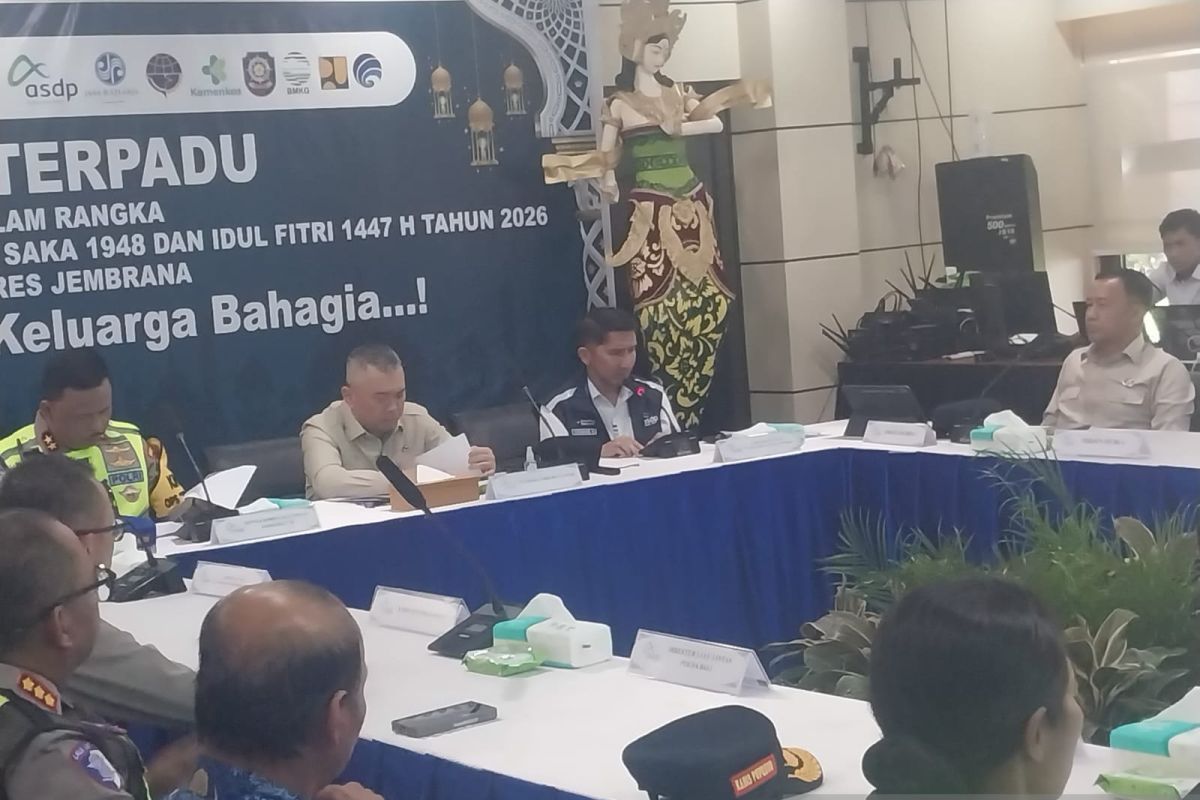
Jembrana, Bali — Indonesia’s Transport Minister Dudy Purwagandhi has stated that passenger vehicles will be prioritised for crossing from Gilimanuk Port to Ketapang Port to ease congestion during the Mudik (annual homecoming) period.
The announcement was made whilst the minister monitored and coordinated inter-departmental efforts addressing traffic flow conditions at Gilimanuk Port, Jembrana Regency, Bali, on Tuesday.
“To clear the queues quickly, besides adding ships operating in the Bali Strait, we will also prioritise passenger vehicles,” he said.
He explained that the policy is necessary because vehicles of this type also transport large numbers of passengers and represent the majority of traffic.
“For freight vehicles, we will continue to provide service, but passenger vehicles—motorcycles, private cars, and buses—will be prioritised,” he said.
With this approach combined with additional ship capacity, the minister stated that queues of travellers heading to Gilimanuk Port have decreased significantly.
He expressed hope that by Nyepi (the Balinese New Year), all queued vehicles can be transported to Java Island.
Should this not be achieved, he said, authorities are prepared to transport drivers to Ketapang Port and return them to Gilimanuk after Nyepi celebrations conclude.
Addressing the cause of vehicle queues at Gilimanuk Port that at one point exceeded 30 kilometres, the minister attributed the congestion to the continued operation of large trucks, particularly three-axle vehicles.
However, he noted, a Joint Ministerial Decision already exists limiting freight vehicle operations during peak travel periods.
“Non-compliance with this decision is what has caused the long queues at Gilimanuk. We urge logistics transport operators to comply with this decision. Do not prioritise sectoral interests because there is a greater public interest at stake,” he said.