
Transport Minister calls for strengthened aviation safety to support regional connectivity
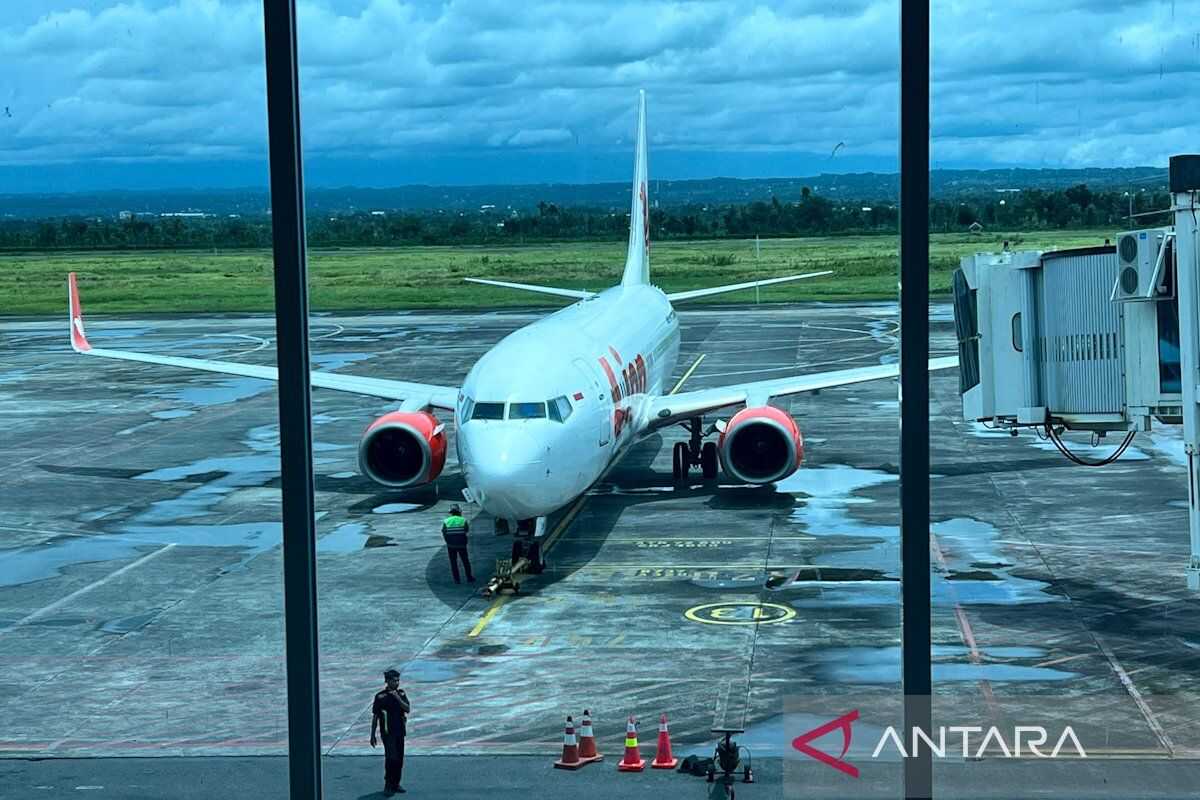
Safety must be the primary priority of Indonesia’s aviation industry
Jakarta – Transport Minister Dudy Purwagandhi has called for aviation safety to be strengthened in supporting inter-regional connectivity and driving national economic growth.
“Aviation safety is part of the broader national development strategy. Safety must be the primary priority of Indonesia’s aviation industry,” said the Transport Minister following a meeting with airline chief executive officers in Jakarta on Sunday.
He emphasised that aviation safety is a strategic government priority, not merely a regulatory obligation, but also a state mandate.
According to him, within the framework of the Red and White Cabinet’s Asta Cita agenda, the government is targeting Indonesia becoming an advanced, sovereign, and competitive nation with strong national connectivity, efficient logistics, and reliable and quality public services.
The transportation sector, including aviation, plays a central role in realising this agenda.
He stressed that without safety there will be no connectivity, economic growth, or public trust. In other words, safety is the foundation for national development.
If safety is compromised, the Transport Minister continued, then logistics distribution, tourism, and investment will also suffer, and Indonesia’s reputation on the world stage will be affected.
Safety systems also represent one dimension of a nation’s reputation in transport safety. The aviation industry is a symbol of technology, professionalism, and high safety standards.
Therefore, he said, aviation safety should not be viewed merely as a technical issue, but as a strategic matter concerning national credibility.
“Safety is not merely regulatory compliance, but a moral commitment and legal responsibility. Every company policy must be grounded in the principle that safety is the top priority,” said the Transport Minister.
He also noted that this forms part of efforts to strengthen aviation safety systems and prepare for the anticipated surge in passengers during the 2026 Eid holiday season.
The Transport Minister warned that there will be an increase in passenger movements and flight frequencies during the peak holiday travel periods.
He emphasised that airlines must not lower safety standards. Airworthiness checks, crew readiness, technical documentation, operational procedures, and human factors must be ensured to meet standards.
“I ask the CEOs not to view ramp checks as a burden, but as a mechanism for mutual protection,” stressed Transport Minister Dudy.
The Directorate General of Air Transport Lukman F. Laisa added that airline leaders bear direct responsibility for the effectiveness of safety systems within their organisations.
He emphasised the importance of an open reporting culture and data-driven risk management to prevent potential incidents during the Eid holiday period.
“Safety is not merely the task of regulators or safety managers. Safety is the direct responsibility of the highest leadership of the company. Every business and operational decision must be based on safety considerations,” said Lukman.
During the forum, the regulator also presented national safety performance and oversight measures to be strengthened ahead of the peak Eid holiday period.
Evaluation based on the ICAO Effective Implementation (EI) indicator and the targets of the National Aviation Safety Plan 2024–2026 will serve as the reference for improving operational standards.
This strengthened commitment is expected to provide assurance that increased air mobility, including during Eid, continues safely and reliably. The government emphasised that passenger safety remains the highest priority in every phase of national aviation operations.