
Transport Expert Talks About the Impact of the US–Israel–Iran War on the Lebaran Exoduss 2026
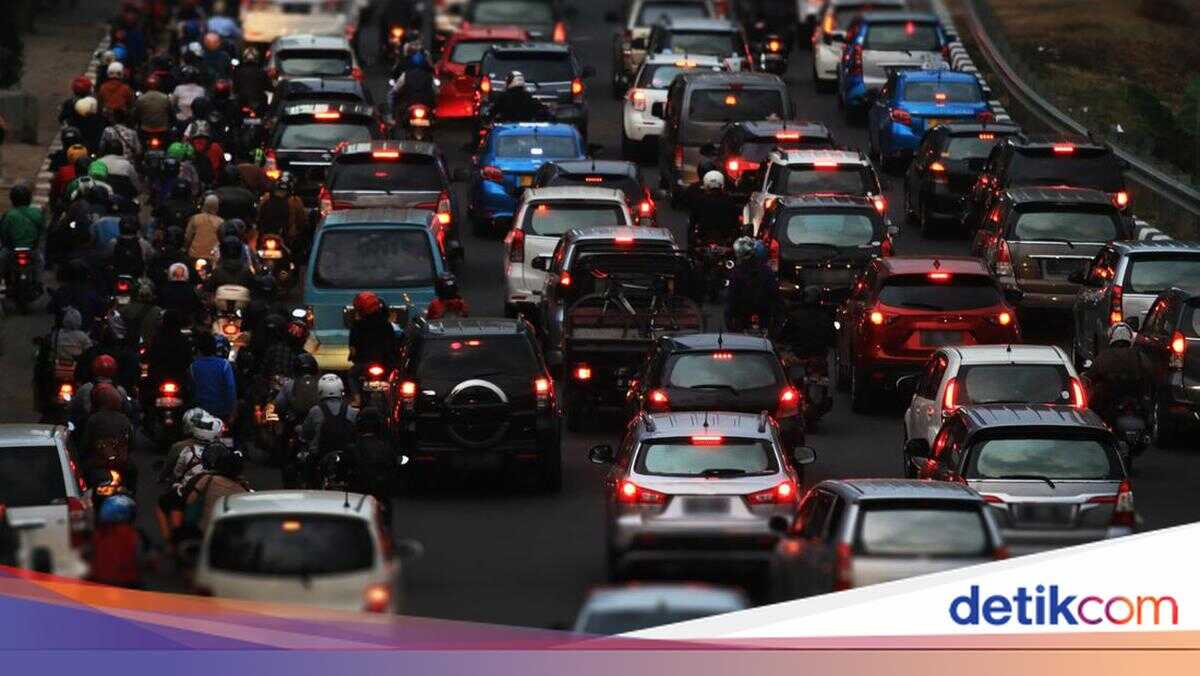
A transportation analyst from INSTRAN (Institute of Transportation Studies), Ki Darmaningtyas, spoke about the impact of the United States–Israel–Iran war on the Lebaran exodus in 2026. He said the conflict would lead to higher fuel prices and spill over into several other key sectors. ‘If fuel prices rise, especially if the increase is significant, there will certainly be an impact. The rise in fuel prices will also cause the rupiah to weaken, because the government itself needs a lot of US dollars, one of which is for importing fuel,’ Ki Darmaningtyas told reporters on Thursday, 5 March 2026. He argues that a significant rise in fuel prices will affect transport costs, especially for mudik travellers using private vehicles such as motorcycles and cars. Moreover, the overall transport costs will be felt by private car users when combined with high toll charges. ‘When transport costs are high, people will rethink mudik, because the impact of rising fuel prices is broad, including higher prices for all goods,’ he said. Furthermore, increased expenditure does not occur only during mudik but also in daily life. For instance, when prices of daily necessities rise while incomes do not rise, or even fall, people will reconsider mudik. ‘From this, it is clear that the US–Israel–Iran war will directly affect the potential Lebaran mudik for Indonesians,’ he said. ‘Especially for those with schooling dependents, it is better to save money for their children’s education. The national economic uncertainty, combined with rising prices of goods, including fuel, will influence the Lebaran mudik 2026 potential,’ he added. Nevertheless, he regards the government’s readiness to face this year’s mudik as better prepared than before. He sees last year’s traffic management failures as lessons not to be repeated, while the successful traffic engineering of the previous year will be developed further to be more effective. ‘So looking at the government’s readiness to handle both the mudik and balik flows, it is quite ready. What is not ready is the people who will mudik because they do not have enough money,’ he said. Vigilance on Regional Roads. On the other hand, he expects mobility of civil servants in the Jabodetabek area to decline. Since 2025, official travel for civil servants has been cut, while one of their extra income sources comes from official travel. Meanwhile, private sector workers are not expected to see increased mobility because their businesses are also in decline. He added the need for caution for mudik travellers using motorcycles, especially during the rainy season. Currently, many roads have potholes in several areas that have not been repaired, which could lead to accidents. ‘This could result in a high rate of traffic accidents because after arriving in their regions they are tired and drowsy, and then they pass pothole roads that are flooded, making them invisible. That is where traffic accidents could occur,’ he said. He urged local officials to repair potholes on mudik routes to prevent mudik accidents. ‘Hopefully local officers, from the police, the Department of Transportation, the Public Works Department, and the Civil Service Police (Satpol PP) will be on standby in their respective areas to safeguard mudik travellers from traffic accidents. Without paying attention to local road conditions, a well-planned traffic management will be wasted, because smooth and safe on toll roads or alternative roads, but not safe on regional roads,’ he said. (yld/zap)