
Transport Demand Management: The Key to Easing Jakarta's Traffic Jams After Eid
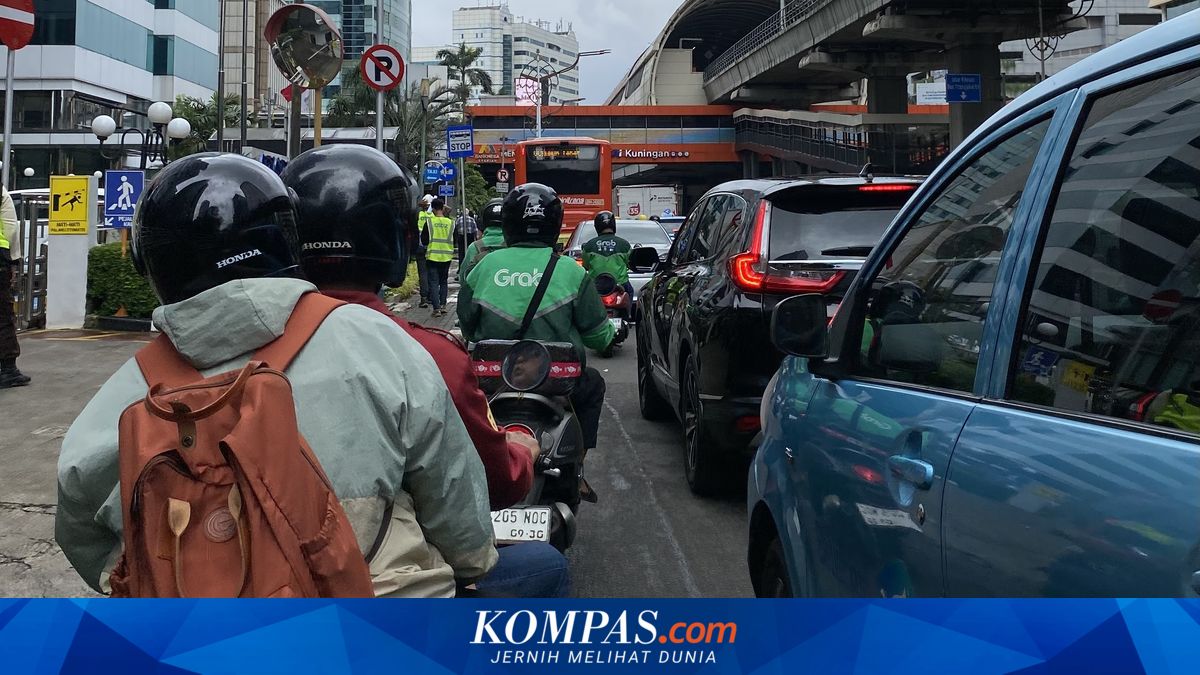
Vehicles have once again dominated Jakarta’s main thoroughfares just days after the Eid holiday ended. The previously empty roads during the homecoming period have now been replaced by long queues of vehicles, extended travel times, and overcrowding in public transport. Transport observer Deddy Herlambang assesses that the return of congestion after Eid is a recurring annual phenomenon, reflecting the high dependence of the population on private vehicles. According to Deddy, the shift from Jakarta’s empty state during Eid to its return to density does not immediately affect the rhythm of people’s lives in the long term. However, in the initial period of returning to work, density usually does not immediately reach its peak because some workers are still taking additional leave or implementing work from anywhere (WFA). Nevertheless, he emphasises that Jakarta’s relatively empty condition during Eid can serve as material for reflection for the government in formulating long-term transportation policies. Deddy states that this situation can form the basis for evaluating the implementation of transport demand management (TDM), which is the management of travel needs so that they do not accumulate in the same time and space. Policies such as flexible working hours, the implementation of work from home (WFH), and traffic engineering like odd-even restrictions throughout the day are considered to be part of the solution. “This can be an evaluation of TDM policies. For example, regulating working hours, full-day odd-even, and looking at the air quality index when Jakarta is empty as a reference for public health,” he said. In his view, a more ideal solution is to encourage the massive use of public transport. In addition to reducing congestion, this step is also considered capable of curbing accident rates and exhaust emissions. “Public transport remains the most rational choice for curbing congestion and emissions,” Deddy stated. Regarding the level of post-Eid congestion this year, Deddy predicts that the condition will not be much different from previous years. “It’s likely to be the same,” he said. Fahri (28), a private sector employee from Bogor, admitted that the KRL (commuter train) conditions have already returned to being crowded just days after Eid.