
Transjabodetabek Blok M-Soekarno-Hatta Airport Service Officially Launches with Two-Hour Travel Time
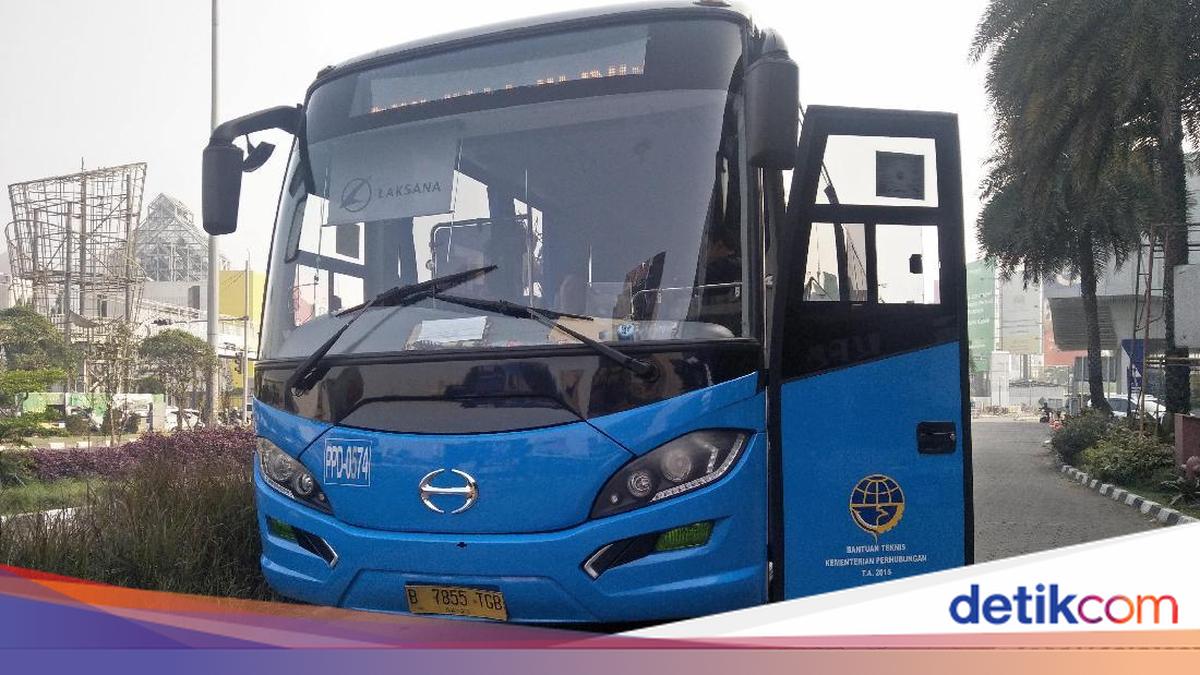
The Jakarta Provincial Government has launched a new Transjabodetabek public transport service on the Blok M to Soekarno-Hatta Airport (SH2) route. The estimated journey time for this route is 121 minutes, or approximately two hours per trip.
The launch of this route was conducted by Jakarta Governor Pramono Anung at Blok M Terminal in South Jakarta on Thursday, 12 March 2026. The service is expected to serve as an alternative transport option to the airport whilst reducing private vehicle usage.
Ujang Harmawan, Deputy Head of the Jakarta Transportation Agency, explained that the estimated travel time was calculated based on the route distance of approximately 65.1 kilometres.
“For the journey estimate, we anticipate 121 minutes. We have prepared a route length of 65.1 kilometres,” Ujang stated on the same occasion.
He noted that the route will be served by 14 buses. Buses will operate from 05:00 to 22:00 WIB with arrival intervals of approximately 10 to 20 minutes.
According to Ujang, the service has a total of 23 stops distributed across Jakarta and the airport area. Several stops in Jakarta include Blok M Terminal, Bundaran Senayan, FX Sudirman, the Gelora Bung Karno area, and the vicinity of the House of Representatives/People’s Consultative Assembly complex.
Meanwhile, stops in the airport area include the Cargo Terminal, the Airport Railway Station, and the immigration area at Soekarno-Hatta International Airport. The buses will also stop at three passenger terminals: Terminal 1, Terminal 2, and Terminal 3.
Governor Pramono Anung stated that the service was introduced to provide a more affordable transport alternative for the public travelling to the airport. To date, the majority of airport passengers have continued to use private vehicles.
He noted that according to data from the Ministry of Transportation, the number of airport users each year reaches approximately 54.9 million people. Approximately 70 to 80 per cent of them use private vehicles.
“If 70 to 80 per cent of 54.9 million people are using private transport, it will certainly have the potential to add to congestion and traffic jams on the roads,” Pramono stated.