
Tragedy on the Trans-Sumatra Highway and a Reactive Transportation System
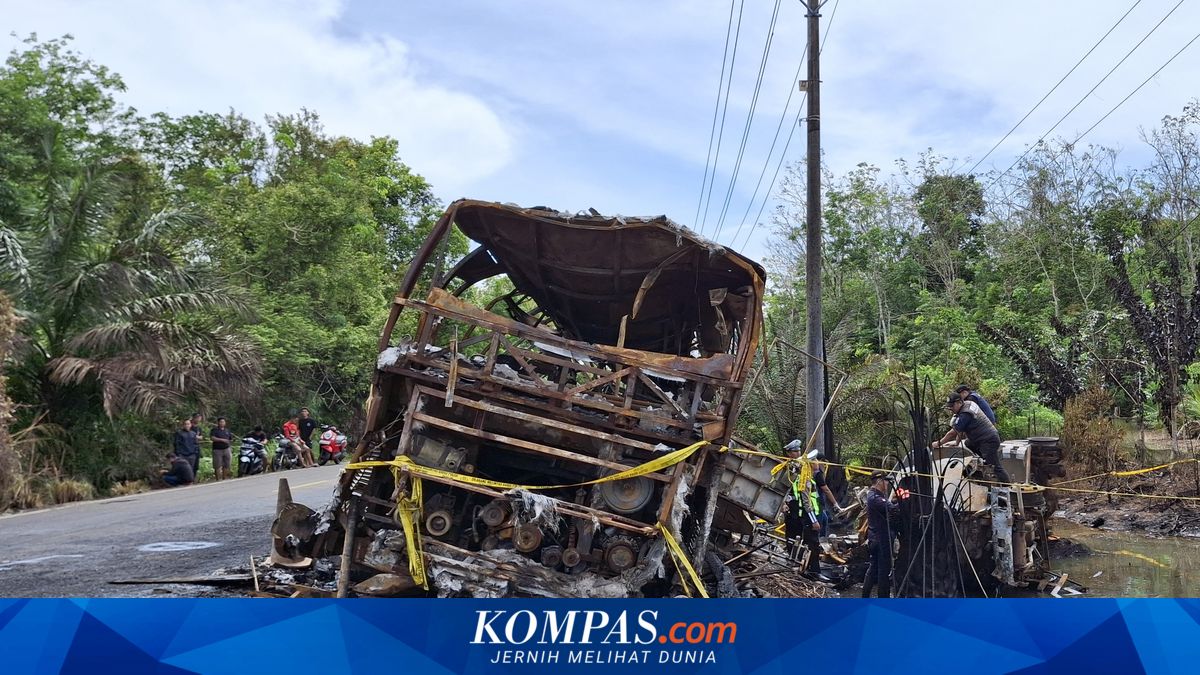
That afternoon, the Trans-Sumatra Highway in North Musi Rawas Regency once again revealed the most fragile face of Indonesia’s land transportation. An intercity bus and a fuel tanker truck collided. The explosion and fire resulted in at least 16 people losing their lives. Within hours, initial narratives emerged. There were suspicions of a fatigued driver. There was a possibility of microsleep. There were also reports of attempts to avoid road damage before the collision occurred. All these possibilities may be true. However, like many major accidents in Indonesia, public attention often stops too quickly at one name: the driver. It is almost always the result of layered failures: road quality, operational oversight, traffic design, vehicle conditions, economic pressures, and the culture of law enforcement. And that is precisely the problem with Indonesia’s transportation for so long: we are too often reactive to incidents but too late in fixing the system that allows those incidents to repeat. Road damage is often treated merely as an infrastructure or user comfort issue. Yet for heavy vehicles and passenger transport, road conditions directly relate to operational safety. Potholes, road surface deformations, and damaged shoulders can affect vehicle stability, braking distance, and emergency manoeuvres—especially in dense corridors like the Trans-Sumatra Highway, where passenger buses, logistics trucks, private vehicles, and hazardous material transporters share the same space. In such situations, the margin for error becomes very small. One sudden manoeuvre can turn into a tragedy. Therefore, the questions after an accident like this should not stop at “who is at fault” but also “why the system allows such great risks to form”. There is a structural issue that has actually been known for a long time but has not been truly resolved: the relationship between over-dimension and overloading practices (ODOL), road damage, and transportation safety. Various government and industry association studies over the years have shown that ODOL vehicles significantly accelerate infrastructure damage.