
Tragedy of Andrie Yunus Acid Attack: Legal Analysis and Medical Impact of Caustic Acid Assault
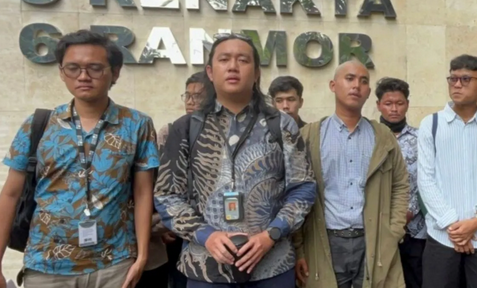
The tragedy befalling Andrie Yunus, a human rights defender from KontraS, reopened long-standing wounds regarding the security of activists in Indonesia. The use of caustic acid is not merely a criminal act, but rather a form of physical terror aimed at silencing critical voices through permanent physical disability.
Caustic acid, such as concentrated sulphuric acid, operates by destroying proteins and fats in human tissue through severe dehydration. The medical impacts inflicted include severe burns, permanent scarring, and significant psychological trauma to both the victim and the activist community.
From a legal perspective, attacks against human rights defenders should not be viewed merely as ordinary assault. Under Law No. 39 of 1999 concerning Human Rights, the state has an obligation to protect anyone fighting for human rights. Whilst the Indonesian Criminal Code provides severe penalties for premeditated assault, there are frequently obstacles in uncovering the intellectual actors behind such attacks. Several legal gaps that remain challenging include difficulties in establishing the chain of command, proving intent beyond reasonable doubt, and identifying financial flows that may link perpetrators to higher authorities.
Caustic acid is chosen because its effects are permanent and generate significant psychological trauma for the activist community, whilst remaining relatively easy to obtain without strict oversight. Caustic acid falls within the category of Hazardous and Toxic Substances. Its use to injure individuals is classified as aggravated assault, carrying a prison sentence exceeding five years. Total rehabilitation costs, including staged plastic surgery, can reach hundreds of millions of Rupiah. The state, through the Witness and Victim Protection Agency (LPSK), is obligated to provide financial assistance to victims of certain criminal acts.
The Andrie Yunus tragedy serves as a stark warning to law enforcement in Indonesia. Without specific protections for human rights defenders and stricter controls on the distribution of corrosive substances, democratic space will continue to be shadowed by threats of brutal physical violence. Fully resolving this case, including identifying the intellectual perpetrators, represents the only way to break the cycle of impunity.