
Traffic Corps Response on Rule for Paying Taxes Without Previous Owner's ID in West Java
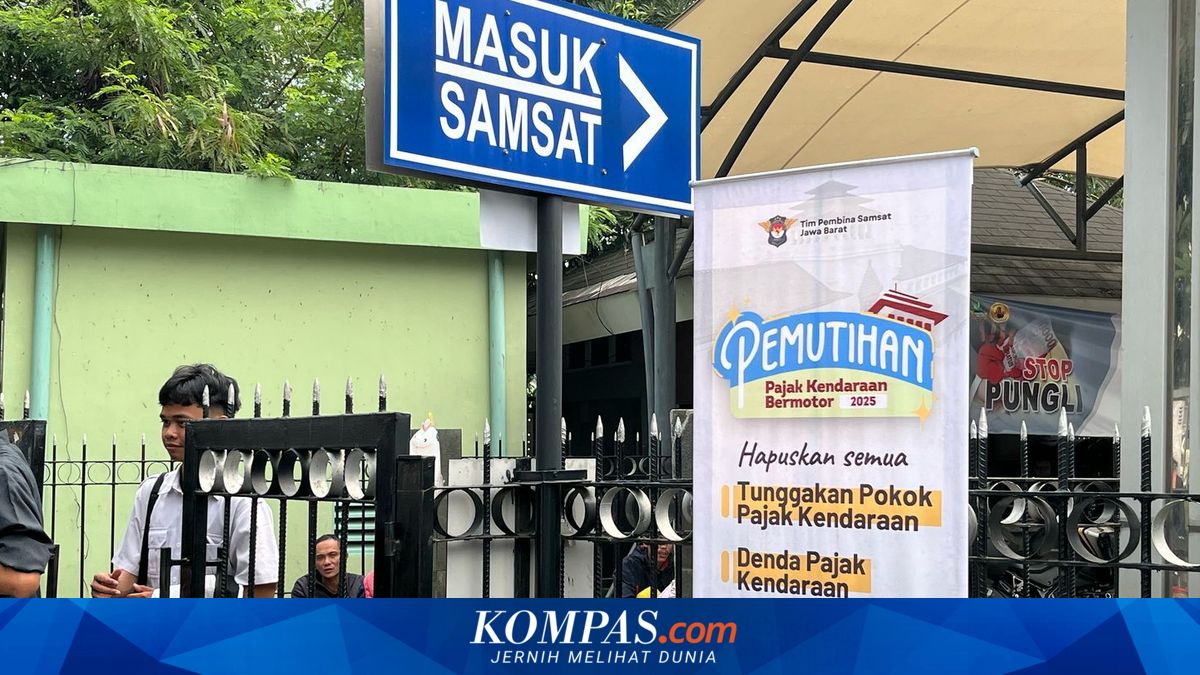
JAKARTA, KOMPAS.com – The policy of West Java Governor Dedi Mulyadi, which permits annual vehicle tax payments without the previous owner’s ID card, has received a response from the National Police Traffic Corps. The police emphasise that services will continue to be provided to facilitate the public, accompanied by supervision and clear administrative guidance. Director of Registration and Identification (Dirregident) of the Traffic Corps, Brigadier General Wibowo, stated that his side has agreed to the measure with the West Java Provincial Government as a solution to the obstacles faced by the public thus far. “Thus, the public can proceed with the tax payment process. However, we direct them to immediately carry out the ownership transfer,” he said. According to Wibowo, the basic requirements for annual validation are simple: the new owner’s ID card and the vehicle registration. Nevertheless, the police continue to encourage the prompt execution of the ownership transfer process to prevent potential problems in the future. This means the policy does not eliminate the ID obligation in vehicle administration. The Traffic Corps still conducts verification to ensure the vehicle’s ownership status. “So the narrative is not without ID; we will ask about it. We still ask because the process is to confirm that the vehicle has not yet changed hands,” Wibowo explained. On the other hand, West Java Governor Dedi Mulyadi stated that this policy aims to facilitate the public in paying Motor Vehicle Tax (PKB). Now, taxpayers only need to bring the vehicle registration and the ID of the party controlling the vehicle. “This convenience applies to both individual and corporate taxpayers. Hopefully, this ease will smooth all Samsat services in West Java and facilitate the public in paying taxes,” said KDM, the familiar nickname for Dedi Mulyadi. With a more flexible yet controlled approach, the National Police Traffic Corps strives to maintain a balance between service convenience and vehicle data validity. This service transformation is expected to increase tax compliance while reducing administrative barriers in the field.