
Traffic Cones on Motorways Can Trigger Highway Hypnosis—What Is It?
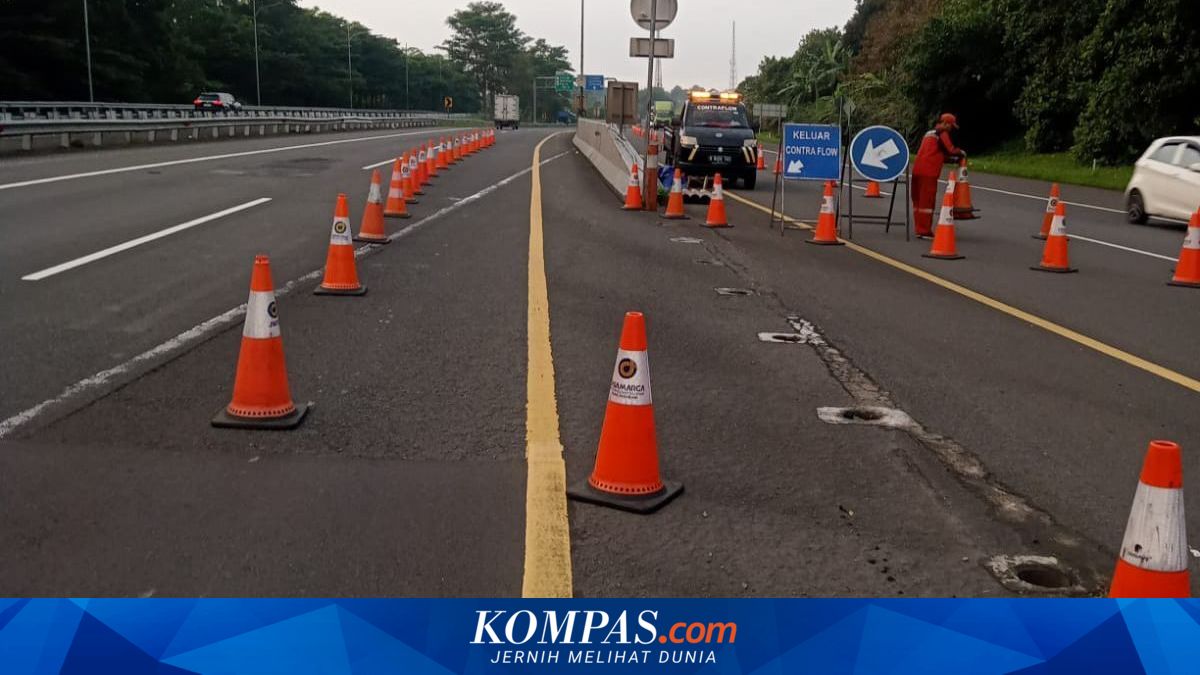
Jakarta — During the Lebaran exodus period, the government and police frequently implement traffic management measures in the form of contraflow systems. On contraflow lanes, traffic cones or traffic cones are typically installed as barriers between vehicles travelling in opposite directions.
Although serving as lane separators, rows of orange cones can actually trigger other risks for drivers, especially during long journeys. “Safety cones installed as lane separators are static in nature. When the driver is already fatigued, rows of cones can actually create an illusion,” according to statements made to Kompas.com.
“This illusion can cause what is known as highway hypnosis. This condition makes the driver appear hypnotised or transfixed when observing a repeating pattern on the road,” the expert explained.
When drivers observe a repeating pattern continuously, if they are not prepared, they may lose focus.
Highway Hypnosis Explained
Highway hypnosis, also commonly called white line fever, is a condition where the driver continues to control the vehicle but consciousness decreases because the brain operates automatically. In this state, the driver still holds the steering wheel and operates the vehicle normally, but is not fully aware of the surroundings.
This condition is typically triggered by long-distance travel on straight and monotonous roads, such as motorways. Additionally, fatigue, lack of sleep, and repetitive visual patterns such as road markings or rows of barriers can increase the risk of highway hypnosis occurring.
Drivers experiencing this phenomenon maintain vehicle control through habit, but their conscious awareness significantly diminishes, increasing vulnerability to unexpected hazards or emergency situations on the road.