
Trade Minister Partners with Horeca and Retail to Stabilise Food Prices
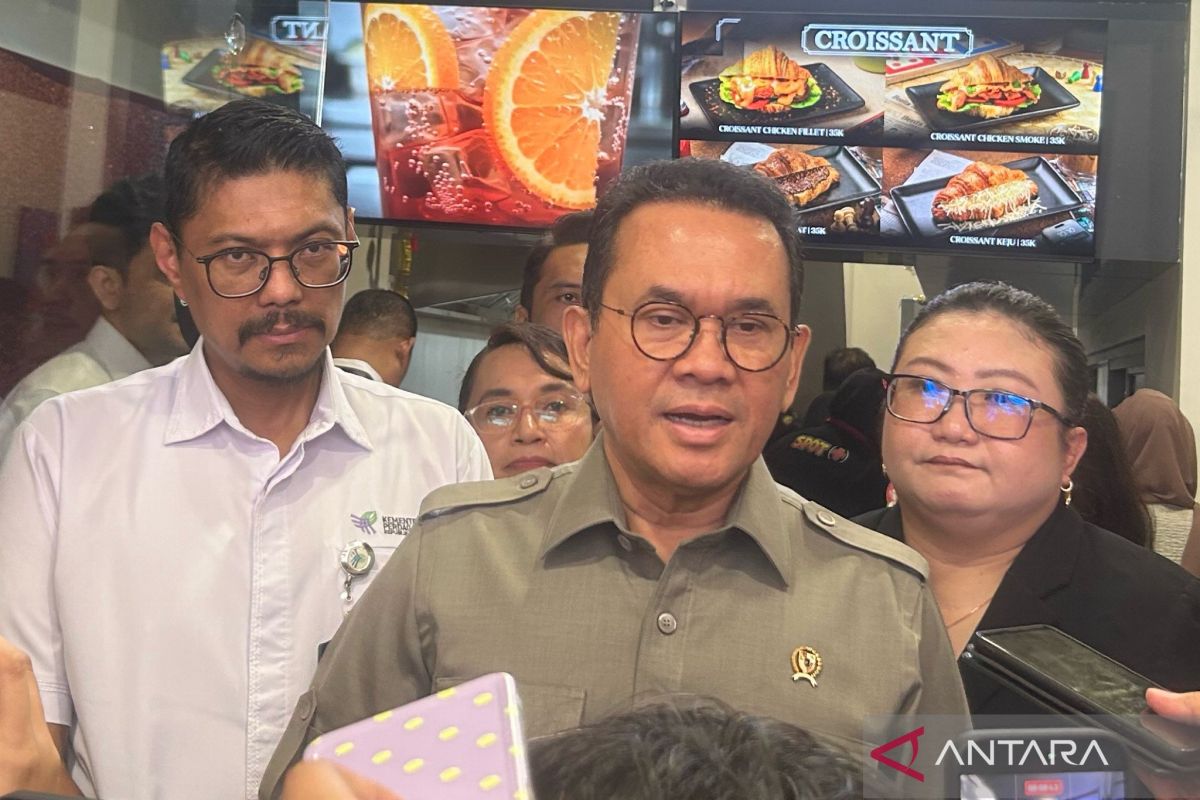
Minister of Trade Budi Santoso announced the government is partnering with hotel, restaurant, and café (Horeca) businesses and members of the Indonesian Retailers Association (Aprindo) to absorb food commodities in an effort to keep prices stable amid rising fuel costs. The Ministry of Trade has sent letters to Horeca operators and modern retailers to increase their uptake of domestically produced eggs and chicken meat. “We have sent letters to Horeca to absorb eggs and chicken, and also to Aprindo and retailers,” Budi stated in Jakarta on Monday. He explained that increased absorption by the Horeca and modern retail sectors is expected to help maintain price stability at the producer level while strengthening the national food distribution chain. According to Budi, producers need these sectors as market channels to sell their goods. “Because we need the market and distribution channels, we need places to sell. For example, restaurants might add eggs or chicken to their menus,” he clarified. On a broader scale, the government is also preparing an economic stimulus package for the second half of 2026, covering fiscal, food, and transport sectors. This policy is expected to help control inflation and encourage public consumption. The government is also striving to maintain purchasing power through various shopping promotion programmes. One such initiative is the BINA (Belanja di Indonesia Aja) Back to School programme, running from June to July 2026, involving around 414 shopping centres and approximately 80,000 modern retail outlets under the Indonesian Retail and Shopping Centre Tenants Association (Hippindo), targeting transactions of up to Rp30 trillion. Additionally, the Jakarta Great Sale, held in conjunction with the capital’s anniversary, is targeted to generate transactions of up to Rp16 trillion. According to Budi, these measures are part of the government’s strategy to keep the national economic cycle robust despite global challenges and potential pressures from rising energy prices.